Hydration Programs Alone May Not Prevent Recurrence of Kidney Stones, Study Finds
A new study finds that hydration programs alone may not be sufficient to prevent kidney stone recurrence, highlighting the need for broader treatment strategies.
 Akanksha jain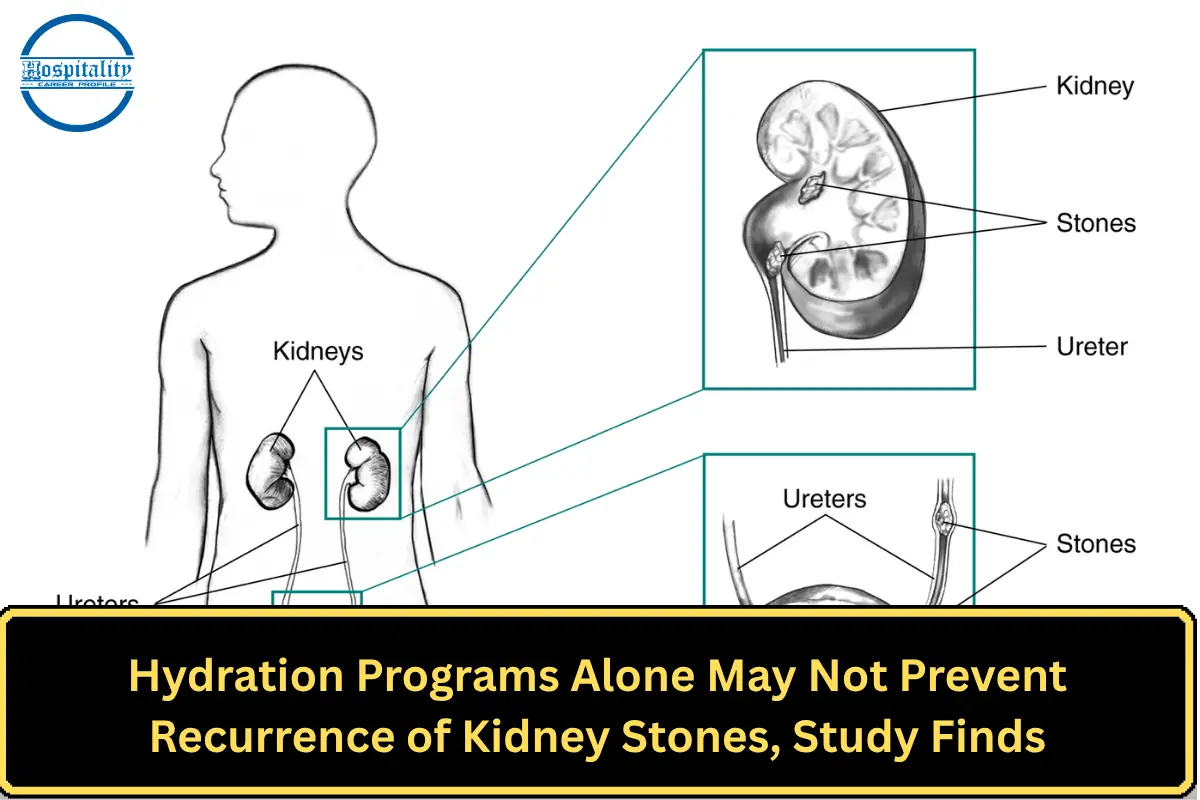
Hydration Programs Alone May Not Prevent Recurrence of Kidney Stones, Study Finds
A study published in March 2026 has found that hydration programs, commonly recommended to prevent kidney stones, may not be sufficient on their own to reduce recurrence rates. Researchers reported that while increased fluid intake remains important, it does not fully address the underlying causes of kidney stone formation, underscoring the need for more comprehensive prevention strategies.
The study examined patients with a history of kidney stones and evaluated the effectiveness of structured hydration programs in preventing repeat episodes. Despite adherence to recommended fluid intake, a significant proportion of participants continued to experience recurrent kidney stones, raising concerns about current prevention approaches.
Kidney Stones Remain a Common Health Issue
Kidney stones are a widespread condition affecting millions of people globally, often causing severe pain and requiring medical intervention. The condition occurs when minerals and salts crystallize in the kidneys, forming hard deposits that can obstruct urinary flow.
Recurrence is a major concern, with many patients experiencing multiple episodes over time. Medical guidelines typically emphasize hydration as a primary preventive measure, as increased fluid intake helps dilute substances in urine that lead to stone formation.
However, the latest findings suggest that hydration alone may not be enough to significantly reduce long-term recurrence risk.
Study Highlights Limitations of Hydration-Only Approach
Researchers found that while patients who followed hydration programs showed some improvement in urine dilution, this did not consistently translate into lower rates of stone recurrence. The findings indicate that other biological and lifestyle factors play a critical role in stone formation.
The study suggests that kidney stone development is influenced by a combination of dietary habits, metabolic factors, genetic predisposition, and underlying medical conditions. Simply increasing water intake does not address these contributing elements.
Experts say the results highlight the need to reassess existing prevention strategies and incorporate a more holistic approach to patient care.
Role of Diet and Metabolic Factors
Dietary intake is a key factor in kidney stone formation. High consumption of salt, animal protein, and oxalate-rich foods can increase the risk, while insufficient intake of certain nutrients, such as calcium, may also contribute.
The study emphasizes that individualized dietary recommendations are essential for effective prevention. Patients may require tailored guidance based on the type of stones they form, as different types have distinct risk factors.
Metabolic abnormalities, including imbalances in calcium, uric acid, and other substances in the urine, also play a significant role. Addressing these issues often requires targeted medical interventions beyond hydration.
Importance of Comprehensive Treatment Strategies
Healthcare professionals recommend a multi-faceted approach to preventing kidney stones. This includes dietary modifications, medication where appropriate, and regular monitoring of urinary and metabolic parameters.
In some cases, medications may be prescribed to control the levels of specific substances in the urine, reducing the likelihood of crystal formation. Lifestyle changes, such as maintaining a healthy weight and reducing sodium intake, are also important components of prevention.
The study highlights the importance of personalized treatment plans that consider each patient’s unique risk profile.
Challenges in Patient Adherence
One of the challenges identified in the study is maintaining long-term adherence to hydration and lifestyle recommendations. While patients may initially increase their fluid intake, sustaining these habits over time can be difficult.
Experts note that patient education and ongoing support are critical to improving adherence. Regular follow-up and monitoring can help reinforce positive behaviors and identify potential issues early.
Digital health tools and reminders are also being explored as ways to support patients in maintaining recommended lifestyle changes.
Implications for Clinical Practice
The findings have important implications for clinicians managing patients with kidney stones. Relying solely on hydration advice may not be sufficient, and a broader evaluation of risk factors is necessary.
Healthcare providers are encouraged to adopt a more comprehensive approach, including detailed dietary assessments, metabolic testing, and individualized treatment plans. Early identification of high-risk patients can help prevent recurrent episodes and reduce complications.
The study also underscores the need for updated clinical guidelines that reflect the complexity of kidney stone prevention.
Public Health Perspective
From a public health standpoint, kidney stones represent a growing burden due to rising prevalence and associated healthcare costs. Preventing recurrence is essential to reducing this burden and improving patient quality of life.
Awareness campaigns focusing on diet, hydration, and lifestyle factors can help educate the public about prevention strategies. However, experts stress that messaging should go beyond hydration alone and address the broader determinants of kidney health.
Integrating preventive measures into primary healthcare systems could play a key role in managing the condition at a population level.
Future Research Directions
Researchers are calling for further studies to better understand the complex mechanisms behind kidney stone formation and recurrence. Identifying new biomarkers and risk factors could lead to more effective prevention strategies.
Advances in personalized medicine and data analytics may also enable more precise interventions tailored to individual patients. Ongoing research aims to develop integrated approaches that combine lifestyle, dietary, and medical treatments.
Such efforts are expected to improve long-term outcomes and reduce the recurrence of kidney stones.
Conclusion
The study concludes that while hydration remains an important component of kidney stone prevention, it is not sufficient on its own to prevent recurrence, highlighting the need for comprehensive and personalized treatment strategies.