IMF, World Bank Warn Middle East War May Cut Emerging Market Growth to 2.6%: Reuters
The IMF and World Bank warn Middle East conflict could cut emerging market growth to 2.6% and push inflation to 6.7%, increasing global economic risks.
 Tripti Srivastava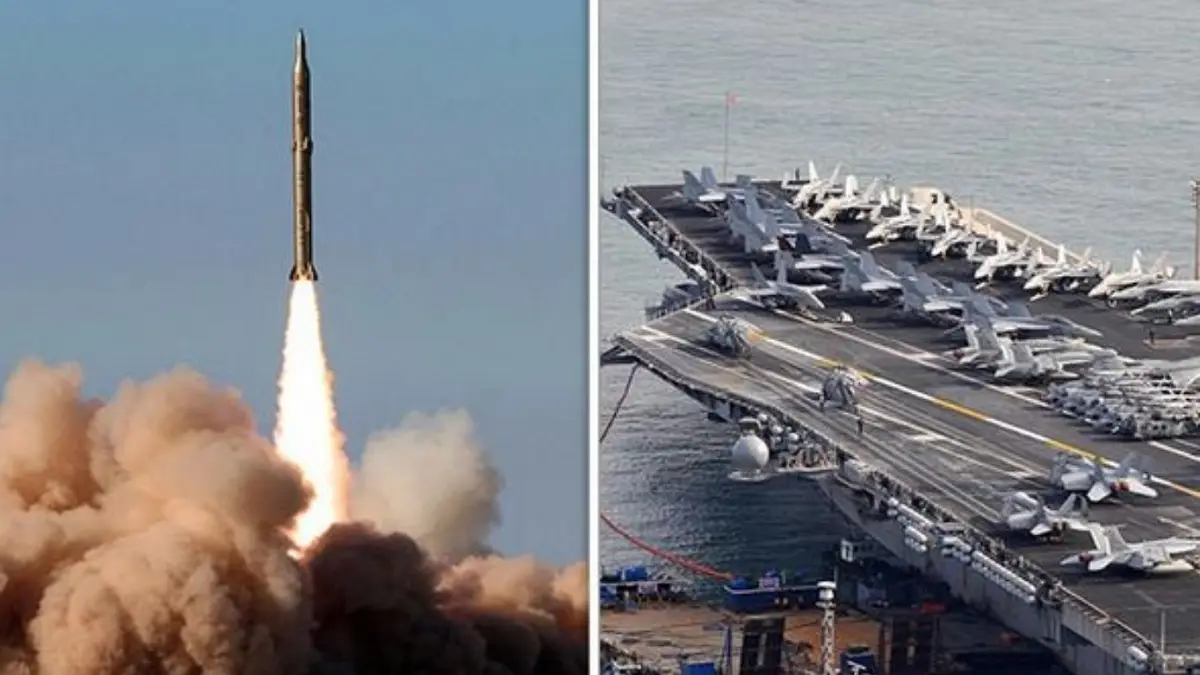
Global economic growth faces renewed pressure as the International Monetary Fund (IMF) and World Bank prepare to downgrade forecasts, with emerging market growth now projected at 3.65% for 2026 and potentially falling to as low as 2.6% if the Middle East conflict persists, according to Reuters.
Finance ministers and central bankers are set to convene in Washington this week for the IMF-World Bank Spring Meetings under the shadow of escalating geopolitical tensions. The ongoing war in the Middle East has emerged as the third major global economic shock recently, following the COVID-19 pandemic and the Russia-Ukraine conflict.
Growth Forecasts Revised Amid Escalating Conflict
Prior to the outbreak of hostilities on February 28, global institutions had expected to upgrade growth projections, citing resilience in the global economy despite trade disruptions linked to U.S. tariff policies. However, the conflict has disrupted that trajectory.
The World Bank now estimates growth in emerging markets and developing economies at 3.65% in 2026, down from its earlier projection of 4%. In a prolonged conflict scenario, growth could decline sharply to 2.6%.
At the same time, inflation in these economies is forecast to rise to 4.9%, significantly higher than the previous estimate of 3%. In a worst-case scenario, inflation could surge to 6.7%, driven largely by elevated energy costs and supply chain disruptions.
Rising Inflation and Food Security Risks
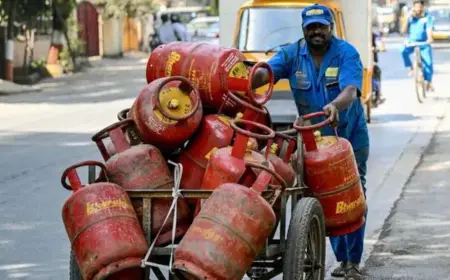
Higher energy prices remain a central concern, with disruptions in oil supply chains and transport routes contributing to inflationary pressures. The IMF has also highlighted broader risks extending beyond inflation, particularly in food security.
According to the IMF, as many as 45 million additional people could face acute food insecurity if the conflict continues, largely due to disruptions in fertiliser supply chains and agricultural inputs.
These pressures are expected to disproportionately impact emerging and low-income economies, which are more vulnerable to commodity price shocks and external supply disruptions.
In response to the evolving crisis, the IMF has projected demand for emergency financial assistance ranging between $20 billion and $50 billion for low-income and energy-importing nations.
The World Bank has also indicated its readiness to mobilise approximately $25 billion in the near term through crisis-response mechanisms, with the potential to scale support up to $70 billion within six months if required.
These measures come at a time when many countries are already facing record-high public debt levels and constrained fiscal capacity, limiting their ability to respond independently to external shocks.
Policy Challenges and Global Coordination Issues
Economic policymakers must navigate the difficult task of controlling inflation while sustaining growth. Experts have cautioned that broad-based fiscal interventions could worsen inflationary pressures, urging governments to adopt targeted and temporary support measures.
Global coordination has also become increasingly difficult. Tensions between major economies, including the United States and China, have weakened the effectiveness of multilateral frameworks such as the G20.
The United States, currently holding the rotating G20 presidency, has excluded South Africa from participation, further complicating consensus-building efforts. Analysts note that the lack of global alignment may hinder coordinated responses to the crisis.
Emerging markets entered the current crisis in a weakened financial position compared to previous years, with higher debt levels, reduced reserves, and limited fiscal buffers.
Data indicates that low-income and lower middle-income countries paid nearly double the amount toward debt servicing in 2025 compared to pre-pandemic levels. As a result, funding for essential sectors such as healthcare and education has been constrained.
Nearly half of these economies are now either in or at risk of debt distress, up from about a quarter just a few years ago, highlighting the growing strain on public finances.
Economists have called for accelerated debt restructuring and increased concessional financing to help countries break out of what has been described as a “debt-growth trap". They argue that policymakers should tie additional financial support to structural reforms and sustainable debt reduction strategies.
As global policymakers gather this week, the focus will remain on mitigating immediate economic fallout while addressing longer-term structural vulnerabilities, particularly in developing economies facing compounding shocks.