Experts Highlight Crucial Role of Non-REM Sleep in Body Repair and Overall Health
Health experts explain why non-REM sleep is essential for body repair, immune function, memory consolidation, and overall well-being.
 Akanksha jain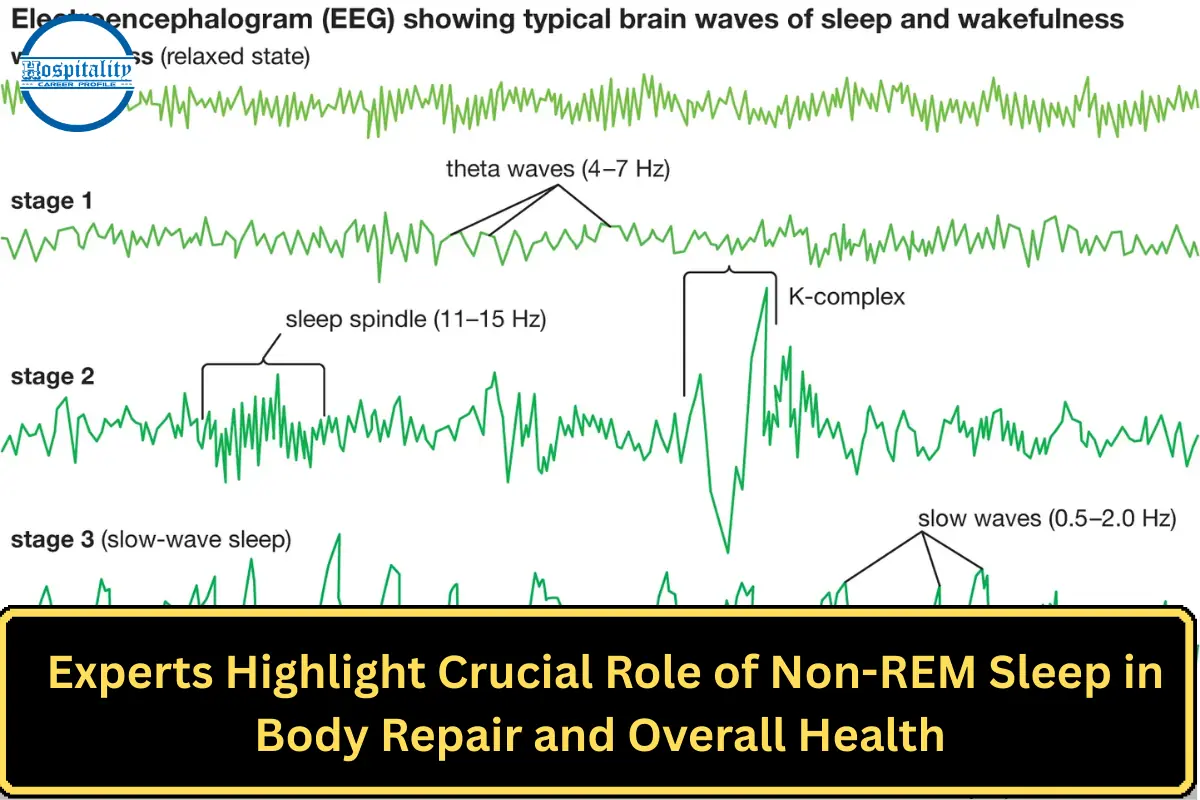
Non-rapid eye movement (non-REM) sleep plays a vital role in maintaining physical and mental health, with experts emphasizing its importance in body repair and overall well-being.
Sleep is broadly divided into REM and non-REM stages, each serving distinct biological functions. While REM sleep is often associated with vivid dreaming and cognitive processing, non-REM sleep is particularly critical for physical restoration.
Body Repair and Tissue Growth
During deep stages of non-REM sleep, the body increases the release of growth hormone, which supports tissue repair, muscle recovery, and cell regeneration. This restorative process is essential for healing injuries, rebuilding tissues, and maintaining organ function.
Experts note that consistent, high-quality non-REM sleep allows the body to recover from daily wear and tear, especially for individuals with physically demanding routines.
Immune System Support
Non-REM sleep also strengthens immune defenses. Research suggests that adequate deep sleep enhances the production of immune cells and proteins that help fight infections and inflammation.
Chronic sleep deprivation, particularly a lack of deep non-REM sleep, may weaken immune responses and increase susceptibility to illness.
Brain Function and Memory Consolidation
Although REM sleep is often linked to dreaming, non-REM sleep plays a foundational role in memory consolidation and cognitive processing. It helps stabilize newly acquired information, supporting learning and long-term memory formation.
Experts stress that balanced sleep cycles—including sufficient non-REM and REM phases—are essential for optimal brain performance.
Prioritizing Healthy Sleep Habits
Maintaining regular sleep schedules, limiting screen exposure before bedtime, and creating a restful sleep environment can help improve sleep quality. Adults typically require seven to nine hours of sleep per night, though individual needs may vary.
Health professionals recommend seeking medical advice if persistent sleep disturbances interfere with daily functioning, as untreated sleep disorders can have long-term health consequences.