India Eyes Affordable Weight Loss Injections to Transform Obesity Treatment Landscape
India is moving toward affordable weight loss injections to tackle rising obesity rates, aiming to expand access to effective treatment options nationwide.
 Akanksha jain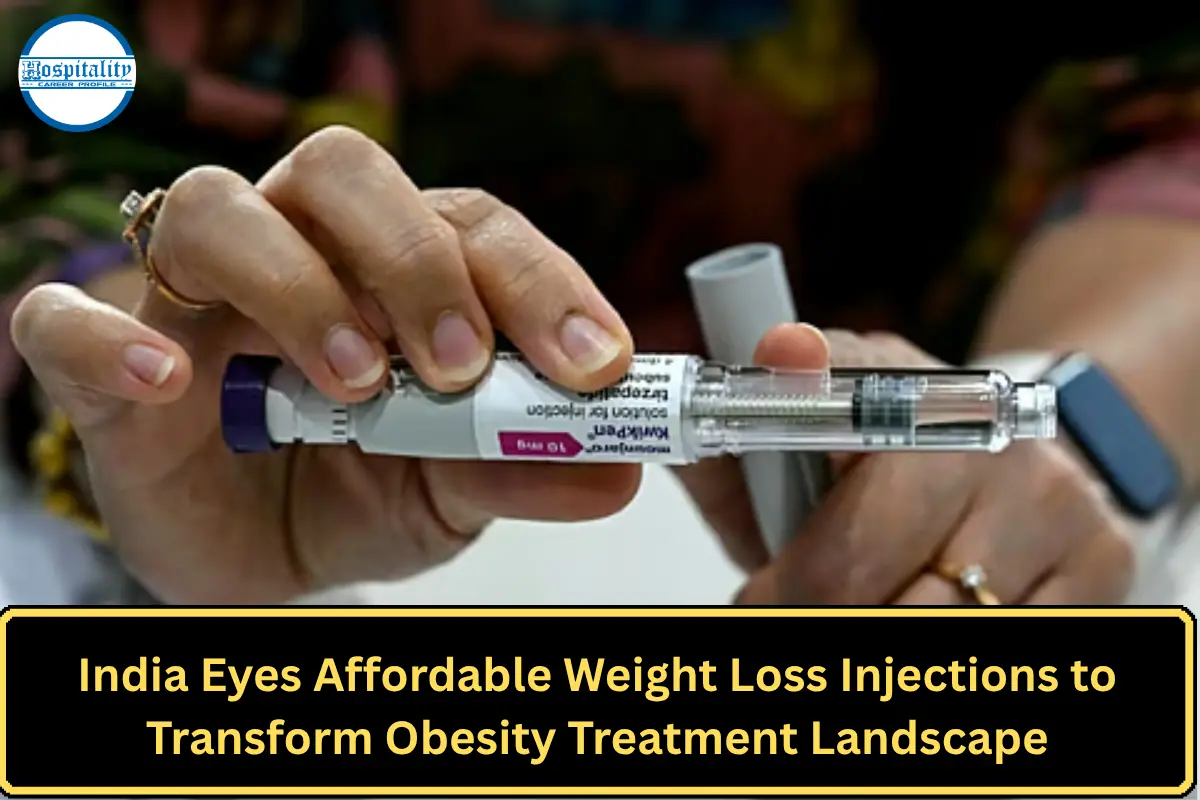
India Eyes Affordable Weight Loss Injections to Transform Obesity Treatment Landscape
India is preparing to expand access to affordable weight loss injections as part of a broader effort to address the country’s rising obesity burden, health and industry officials said in March 2026. The initiative aims to make advanced anti-obesity treatments more accessible to a larger population by reducing costs and encouraging domestic production, as demand for such therapies continues to grow across urban and semi-urban regions.
The move comes amid increasing use of injectable medications, particularly GLP-1 receptor agonists, which have shown effectiveness in managing both obesity and type 2 diabetes. Authorities and pharmaceutical companies are now exploring ways to make these treatments more affordable, potentially transforming how obesity is managed in India.
Rising Burden of Obesity Drives Demand
India is witnessing a steady increase in obesity and related metabolic disorders, driven by changing lifestyles, urbanization, and dietary habits. Health experts warn that the growing prevalence of obesity is contributing to a surge in chronic conditions such as diabetes, cardiovascular disease, and hypertension.
With millions of individuals struggling to manage weight through conventional lifestyle interventions alone, demand for medical treatments has risen sharply. Injectable therapies have emerged as a promising option, offering clinically proven results in weight reduction when combined with lifestyle changes.
The expanding patient pool has prompted policymakers and industry stakeholders to prioritize affordability and accessibility.
Focus on Affordable Treatment Options
Currently, many advanced weight loss injections remain expensive, limiting their use to a relatively small segment of the population. Efforts are underway to introduce cost-effective alternatives, including locally manufactured versions and generic formulations.
Pharmaceutical companies in India are actively investing in research and development to produce affordable versions of these drugs. Industry experts say that increased competition and domestic production could significantly reduce prices in the coming years.
Improving affordability is seen as a key step toward integrating these treatments into mainstream healthcare, particularly for patients who require long-term management.
Role of GLP-1 Drugs in Weight Management
GLP-1 receptor agonists have gained global attention for their ability to regulate appetite, improve blood sugar control, and support sustained weight loss. These drugs work by mimicking natural hormones that influence hunger and metabolism, helping patients reduce calorie intake.
In India, their use has expanded beyond diabetes care to include obesity management under medical supervision. Clinical evidence has demonstrated significant weight loss outcomes, making them an attractive option for patients and healthcare providers.
However, experts emphasize that these medications are not a standalone solution and must be combined with dietary and lifestyle modifications for optimal results.
Policy and Regulatory Support
The government is expected to play a crucial role in facilitating access to affordable weight loss treatments. Policy measures may include regulatory approvals for generics, pricing controls, and incentives for domestic manufacturing.
Officials are also examining ways to integrate obesity management into broader public health strategies, recognizing it as a major risk factor for non-communicable diseases. Expanding insurance coverage for obesity treatments could further improve access.
Regulatory clarity and streamlined approval processes will be essential in ensuring that safe and effective treatments reach patients without delay.
Balancing Accessibility and Safety
While improving affordability is a priority, healthcare experts stress the importance of maintaining strict safety and quality standards. Weight loss injections must be prescribed and monitored by qualified medical professionals to minimize risks and ensure appropriate use.
Unsupervised use or misuse of such medications could lead to adverse effects and undermine treatment outcomes. Authorities are expected to strengthen prescription guidelines and monitoring systems as availability increases.
Public awareness campaigns may also be introduced to educate patients about the correct use of these therapies.
Challenges in Implementation
Despite the potential benefits, several challenges remain in scaling up access to weight loss injections. These include supply chain constraints, regulatory hurdles, and disparities in healthcare infrastructure across regions.
Ensuring equitable distribution, particularly in rural and underserved areas, will require coordinated efforts between government agencies, healthcare providers, and the pharmaceutical industry.
Affordability alone may not guarantee adoption, as patient awareness and acceptance of medical treatments for obesity continue to evolve.
Impact on Healthcare System
The introduction of affordable weight loss injections could have a significant impact on India’s healthcare system by reducing the burden of obesity-related diseases. Early and effective management of obesity may help lower long-term healthcare costs and improve overall population health.
Healthcare providers are likely to see increased demand for obesity-related consultations and treatment planning, necessitating additional training and resources.
Experts believe that integrating pharmacological treatments with preventive healthcare strategies will be key to achieving sustainable outcomes.
Industry Outlook and Market Growth
The market for weight loss drugs in India is expected to expand rapidly as affordability improves and awareness increases. Pharmaceutical companies are positioning themselves to capture this growing segment by developing new products and expanding distribution networks.
Global trends in obesity treatment are also influencing the Indian market, with innovations in drug development and delivery methods driving competition.
Analysts predict that India could become a major hub for affordable obesity treatments, both for domestic use and export markets.
Future of Obesity Treatment in India
The push for affordable weight loss injections reflects a broader shift toward medical management of obesity, supported by advancements in pharmaceutical research and healthcare delivery. Experts highlight the importance of a comprehensive approach that includes prevention, early intervention, and long-term management.
Collaboration between policymakers, healthcare providers, and industry stakeholders will be critical in ensuring that these treatments are accessible, safe, and effective.
As the initiative moves forward, its success will depend on balancing affordability with quality and integrating new therapies into existing healthcare frameworks.
Conclusion
India’s efforts to introduce affordable weight loss injections mark a significant step in addressing the country’s growing obesity challenge, with authorities and industry players working to expand access while ensuring safe and effective treatment options.