India Unveils Roadmap to Build Resilient and Innovative Pharmaceutical Sector at Pharmamed 2026
India outlines a strategic roadmap to strengthen its pharmaceutical sector with a focus on innovation, resilience, and global competitiveness at Pharmamed 2026.
 Akanksha jain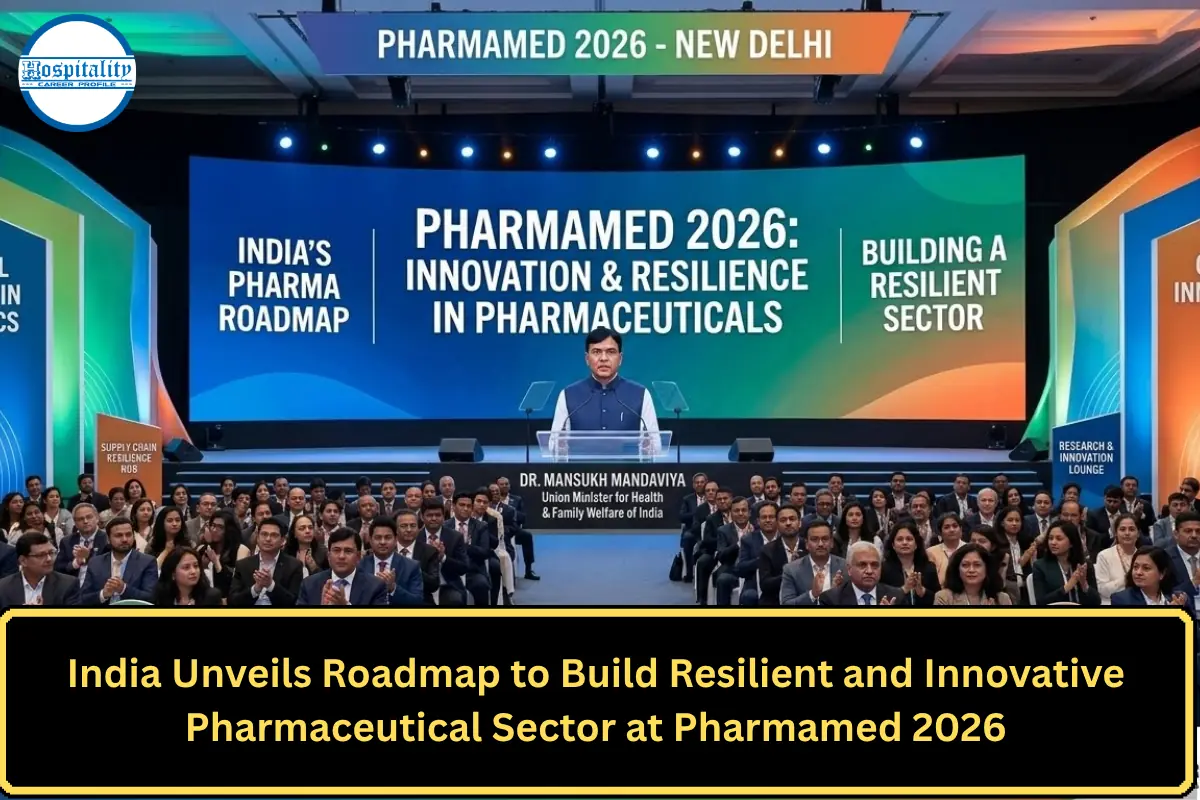
India Unveils Roadmap to Build Resilient and Innovative Pharmaceutical Sector at Pharmamed 2026
India has outlined a comprehensive roadmap to strengthen its pharmaceutical sector with a focus on resilience, innovation, and global competitiveness at Pharmamed 2026, government officials said on March 28, 2026. The initiative aims to enhance drug manufacturing capabilities, promote research and development, and position India as a leading global hub for pharmaceuticals amid evolving healthcare demands.
The roadmap was presented during the Pharmamed 2026 event, where policymakers, industry leaders, and healthcare experts gathered to discuss strategies for advancing the pharmaceutical ecosystem. The plan comes at a time when global supply chains and healthcare systems are undergoing transformation, highlighting the need for robust and adaptable pharma infrastructure.
Focus on Strengthening Domestic Manufacturing
A key pillar of the roadmap is the expansion of domestic pharmaceutical manufacturing capacity. Officials emphasized the importance of reducing dependence on imports, particularly for critical raw materials and active pharmaceutical ingredients (APIs).
The government aims to boost local production through incentives, policy support, and infrastructure development. Strengthening domestic manufacturing is expected to enhance supply chain resilience and ensure uninterrupted availability of essential medicines.
Industry stakeholders highlighted that increased self-reliance could also improve cost efficiency and support long-term sustainability in the sector.
Driving Innovation and Research
The roadmap places significant emphasis on innovation, with a focus on encouraging research and development in areas such as biotechnology, advanced therapeutics, and precision medicine. Investments in research infrastructure and collaboration between academia and industry are being prioritized.
Officials noted that fostering innovation is critical for developing new drugs, improving treatment outcomes, and maintaining competitiveness in the global market. The plan includes support for startups and research institutions working on cutting-edge healthcare solutions.
Efforts are also being made to streamline regulatory processes to facilitate faster development and approval of innovative therapies.
Enhancing Global Competitiveness
India’s pharmaceutical sector is already a major player in the global market, particularly in the production of generic medicines. The new roadmap aims to further strengthen this position by improving quality standards, expanding export capabilities, and building strategic international partnerships.
Officials stressed the importance of aligning with global regulatory requirements and adopting best practices to enhance credibility and trust in Indian pharmaceutical products.
Expanding access to international markets is expected to drive growth and create new opportunities for the industry.
Digital Transformation in Healthcare
Digital technologies are playing an increasingly important role in the pharmaceutical sector, and the roadmap includes initiatives to accelerate digital transformation. This includes the use of data analytics, artificial intelligence, and digital platforms to improve efficiency and decision-making.
Digital tools are expected to enhance research capabilities, optimize supply chains, and improve patient outcomes through better monitoring and personalized treatments.
Officials highlighted the importance of integrating digital solutions into healthcare systems to support innovation and improve service delivery.
Workforce Development and Skill Building
The roadmap also focuses on developing a skilled workforce to support the growing demands of the pharmaceutical industry. Training programs and educational initiatives are being planned to equip professionals with the necessary expertise in emerging technologies and research areas.
Collaboration between educational institutions and industry players is expected to play a key role in bridging skill gaps and fostering talent development.
A well-trained workforce is considered essential for driving innovation and maintaining high standards in pharmaceutical production.
Regulatory Reforms and Policy Support
Regulatory reforms are another critical component of the roadmap, aimed at creating a more efficient and transparent framework for the pharmaceutical sector. Simplifying approval processes and reducing bureaucratic hurdles are expected to encourage investment and innovation.
The government is also focusing on strengthening quality control mechanisms to ensure the safety and efficacy of pharmaceutical products. This includes adopting international standards and improving monitoring systems.
Policy measures are being designed to create a supportive environment for both domestic and international investors.
Addressing Global Health Challenges
The roadmap aligns with broader efforts to address global health challenges, including the rising burden of non-communicable diseases and emerging infectious threats. By strengthening the pharmaceutical sector, India aims to contribute to global healthcare solutions and improve access to affordable medicines.
Officials emphasized the importance of collaboration with international organizations and partners to tackle complex health issues and share knowledge.
The initiative also reflects India’s commitment to playing a larger role in global health governance.
Industry Response and Outlook
Industry leaders have welcomed the roadmap, noting that it provides a clear direction for growth and innovation in the pharmaceutical sector. The emphasis on resilience and self-reliance is seen as particularly important in the context of recent global disruptions.
Experts believe that successful implementation of the roadmap could significantly enhance India’s position in the global pharmaceutical market. However, they also highlight the need for consistent policy execution and collaboration among stakeholders.
The roadmap is expected to drive investment, create jobs, and foster innovation across the industry.
Future Prospects
Looking ahead, the pharmaceutical sector is poised for significant growth, supported by advancements in technology, increasing demand for healthcare, and favorable policy initiatives. The roadmap provides a framework for navigating challenges and capitalizing on opportunities.
Continuous monitoring and evaluation will be essential to ensure that the objectives of the roadmap are achieved effectively. Stakeholders are expected to play an active role in shaping the future of the industry.
The integration of innovation, resilience, and global collaboration is likely to define the next phase of growth for India’s pharmaceutical sector.
Conclusion
India’s roadmap for a resilient and innovative pharmaceutical sector, unveiled at Pharmamed 2026, sets the stage for strengthening domestic capabilities, advancing research, and enhancing global competitiveness in the years ahead.