India Moves to Strengthen Pharmacovigilance Framework to Enhance Drug Safety Monitoring
India is taking steps to strengthen its pharmacovigilance framework to improve drug safety monitoring and ensure better reporting of adverse drug reactions.
 Akanksha jain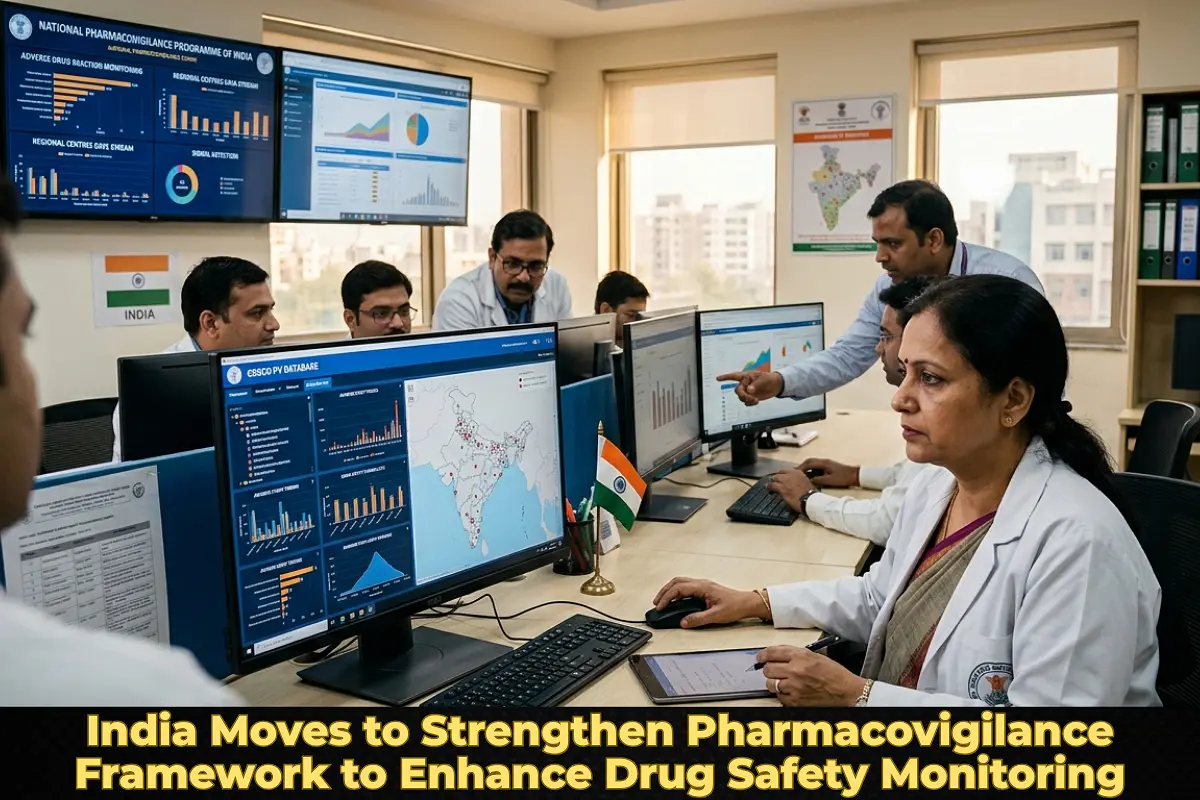
India Moves to Strengthen Pharmacovigilance Framework to Enhance Drug Safety Monitoring
India is taking steps to strengthen its pharmacovigilance framework to improve drug safety monitoring and enhance reporting of adverse drug reactions, health authorities and industry stakeholders said in April 2026, as part of efforts to ensure safer use of medicines across the country.
The initiative focuses on reinforcing systems that track the safety of pharmaceutical products after they are approved and made available to the public. Officials said the move aims to address gaps in adverse event reporting, improve data collection, and support timely regulatory action where safety concerns arise.
Focus on Post-Market Drug Surveillance
Pharmacovigilance refers to the process of monitoring the effects of medicines after they enter the market, particularly to identify and evaluate previously unreported adverse reactions. Strengthening this system is seen as critical in ensuring patient safety and maintaining public confidence in healthcare products.
Authorities are working to enhance post-market surveillance mechanisms by improving coordination between healthcare providers, pharmaceutical companies, and regulatory agencies. This includes encouraging more consistent reporting of side effects and improving the analysis of safety data.
Experts note that robust pharmacovigilance systems are essential for detecting rare or long-term side effects that may not be evident during clinical trials.
Improving Adverse Drug Reaction Reporting
A key focus of the initiative is increasing the reporting of adverse drug reactions (ADRs) by healthcare professionals and patients. Underreporting of ADRs has been a longstanding challenge in India, limiting the ability of regulators to assess the safety profile of medicines effectively.
Efforts are being made to raise awareness among doctors, pharmacists, and patients about the importance of reporting side effects. Training programs and awareness campaigns are expected to play a significant role in improving participation in pharmacovigilance activities.
Authorities are also exploring ways to simplify reporting processes, making it easier for stakeholders to submit information on suspected adverse reactions.
Role of Digital Technologies
Digital tools are expected to play a central role in strengthening pharmacovigilance systems. Online platforms and mobile applications are being developed to facilitate real-time reporting and monitoring of drug safety data.
Data analytics and artificial intelligence may also be used to identify patterns and signals in large datasets, enabling quicker detection of potential safety issues. These technologies can enhance the efficiency and accuracy of pharmacovigilance activities.
Experts believe that digital transformation can significantly improve the responsiveness of drug safety monitoring systems.
Regulatory Oversight and Compliance
Regulatory authorities are emphasizing the need for pharmaceutical companies to strengthen their pharmacovigilance practices and comply with reporting requirements. Companies are expected to maintain comprehensive safety databases and promptly report adverse events to regulators.
Stricter enforcement of pharmacovigilance regulations may be introduced to ensure compliance and accountability. Authorities are also reviewing existing guidelines to align them with international standards and best practices.
Industry stakeholders are being encouraged to invest in pharmacovigilance infrastructure and training to meet evolving regulatory expectations.
Global Alignment and Best Practices
India’s efforts to strengthen pharmacovigilance are aligned with global trends aimed at improving drug safety monitoring. International regulatory agencies have increasingly emphasized the importance of post-market surveillance in ensuring the safe use of medicines.
Adopting global best practices, such as standardized reporting systems and data sharing mechanisms, can enhance the effectiveness of pharmacovigilance efforts. Collaboration with international organizations may also help improve capacity and expertise.
Experts note that global alignment is particularly important as pharmaceutical products are increasingly traded across borders.
Challenges in Implementation
Despite the planned improvements, challenges remain in implementing a robust pharmacovigilance framework. These include limited awareness among healthcare providers, resource constraints, and variability in reporting practices across regions.
Ensuring consistent participation from all stakeholders is critical to the success of the initiative. Authorities are working to address these challenges through targeted interventions and capacity-building measures.
Improving infrastructure and training at the grassroots level is also essential to achieving comprehensive drug safety monitoring.
Impact on Patient Safety
Strengthening pharmacovigilance is expected to have a direct impact on patient safety by enabling early detection of potential risks associated with medicines. Timely identification of adverse reactions can lead to regulatory actions such as label changes, usage restrictions, or product recalls.
Patients stand to benefit from improved safety information and more informed decision-making regarding their treatment options. Healthcare providers will also have access to better data to guide prescribing practices.
Experts emphasize that effective pharmacovigilance is a cornerstone of a safe and reliable healthcare system.
Industry and Healthcare Collaboration
Collaboration between the pharmaceutical industry, healthcare institutions, and regulatory authorities is a key component of the strengthened framework. Stakeholders are being encouraged to share data and insights to improve the overall effectiveness of pharmacovigilance activities.
Public-private partnerships may play a role in building capacity and advancing research in drug safety. Such collaborations can help bridge gaps in resources and expertise.
Industry associations are also expected to contribute by promoting best practices and supporting training initiatives.
Future Outlook
The move to strengthen pharmacovigilance reflects India’s commitment to improving drug safety and aligning with global standards. Continued investment in infrastructure, technology, and training will be essential to sustain progress in this area.
As the pharmaceutical market evolves and new therapies are introduced, the importance of effective drug safety monitoring will continue to grow. Authorities are expected to monitor the implementation of these measures and make further adjustments as needed.
Experts believe that a stronger pharmacovigilance system will enhance public trust and support the long-term growth of the pharmaceutical sector.
Conclusion
India’s efforts to reinforce its pharmacovigilance framework aim to improve drug safety monitoring and ensure timely detection of risks, strengthening patient protection and regulatory oversight across the healthcare system.