International Women’s Day 2026: Women Leaders Shaping Politics Across the World
International Women’s Day 2026 highlights the growing influence of women leaders in global politics and the continued push for gender equality in governance.
 SANJANA DUTTA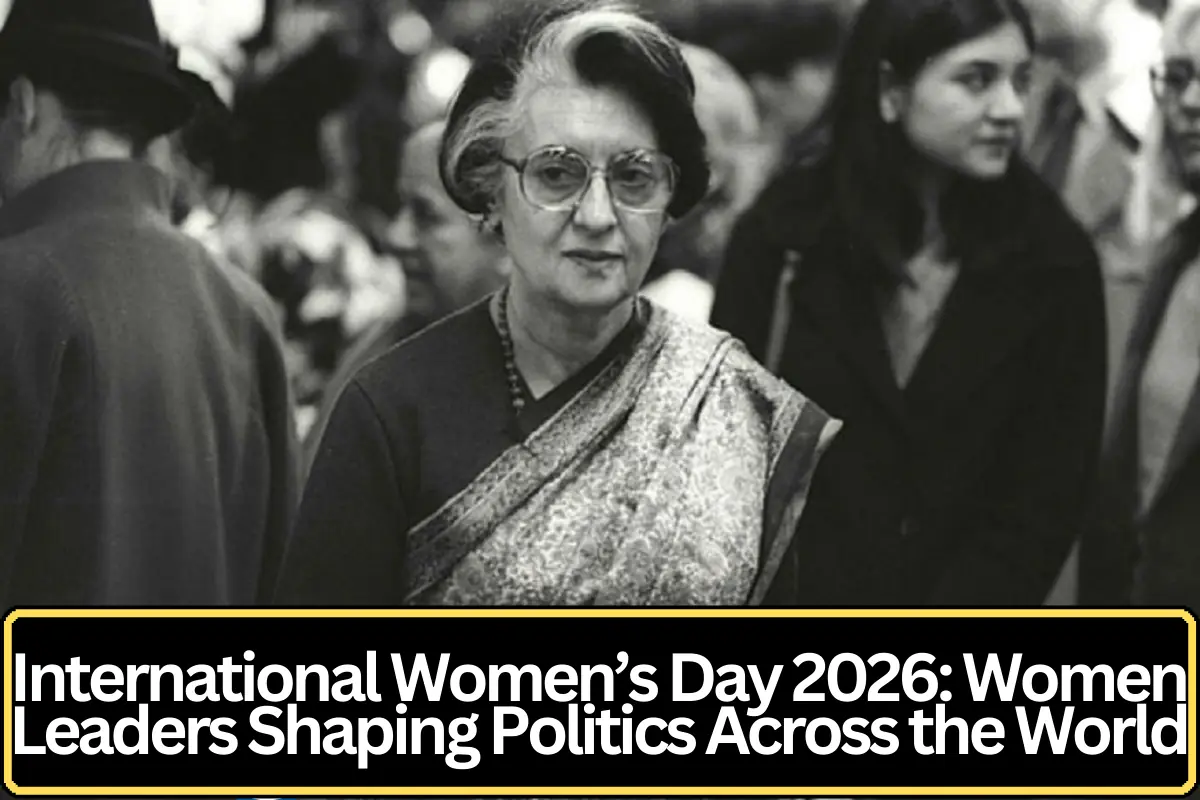
Women Leaders Gaining Influence in Global Politics
International Women’s Day 2026 has once again highlighted the growing role of women in political leadership around the world. From national governments to international institutions, women are increasingly shaping policies, influencing political discourse, and leading major global initiatives.
While significant progress has been made in recent decades, experts note that women remain underrepresented in many political systems. The global observance of International Women’s Day on March 8 therefore serves as both a celebration of achievements and a reminder of the work still required to achieve equal representation.
Advocates for gender equality argue that stronger female representation in political leadership can contribute to more inclusive decision‑making and more balanced governance.
Historic Milestones in Women’s Political Leadership
Throughout history, women have played crucial roles in shaping political landscapes despite facing significant barriers. The election and appointment of women to top political offices has gradually increased in many regions.
Several countries have elected women as heads of state or government, marking important milestones in the global movement for gender equality in politics.
These leaders have demonstrated that women can successfully lead governments, manage complex political challenges, and influence international diplomacy.
Breaking Barriers in Governance
Women entering political leadership positions have often had to overcome social stereotypes, structural barriers, and limited access to political networks.
Many women leaders have built strong reputations through policy reforms, social initiatives, and effective governance. Their success has helped challenge long‑standing perceptions about gender roles in politics.
Political analysts say such breakthroughs can inspire more women to participate in public life and pursue political careers.
The Importance of Representation
Supporters of gender equality argue that representation in political institutions is essential for ensuring that diverse perspectives are included in policymaking.
Greater participation of women in politics can influence legislation related to education, healthcare, family welfare, and social justice. Studies have shown that inclusive governance often leads to more comprehensive policy discussions.
Many international organisations therefore encourage countries to adopt measures aimed at increasing women’s participation in politics.
Policies Encouraging Participation
Some countries have introduced initiatives such as gender quotas, leadership training programs, and financial support for women candidates. These measures are intended to reduce barriers and create opportunities for women to enter political life.
Educational programs and advocacy campaigns also play an important role in encouraging young women to become involved in public service.
Supporters believe that increasing political participation among women is essential for strengthening democratic institutions.
Challenges That Still Remain
Despite progress, women continue to face challenges in political environments. These include limited representation in legislative bodies, unequal access to campaign resources, and gender‑based criticism or discrimination.
In some regions, social expectations and structural barriers still discourage women from entering politics.
Advocates stress that addressing these issues requires long‑term efforts involving governments, political parties, civil society organisations, and educational institutions.
Inspiration for Future Generations
International Women’s Day frequently highlights the achievements of women leaders as a way to inspire future generations. Stories of women who have reached high political office demonstrate the possibilities for leadership regardless of gender.
Role models in politics can encourage young women and girls to pursue careers in governance, diplomacy, and public administration.
Supporters say that continued visibility of women leaders is crucial in building confidence and expanding opportunities for future political participation.
International Women’s Day and the Path Ahead
The observance of International Women’s Day emphasises the importance of accelerating progress toward gender equality in leadership roles.
Many organisations and advocacy groups use the occasion to promote initiatives that empower women politically and economically.
As societies continue to evolve, expanding women’s representation in politics remains a key goal for achieving inclusive governance.
By recognising the achievements of women leaders and addressing remaining challenges, International Women’s Day continues to encourage global efforts toward a more balanced and representative political landscape.