Inuit Communities Call for Urgent Policy Action to Tackle Tuberculosis Crisis
Inuit communities are urging governments to implement urgent policy changes to address the ongoing tuberculosis crisis and improve healthcare access.
 Akanksha jain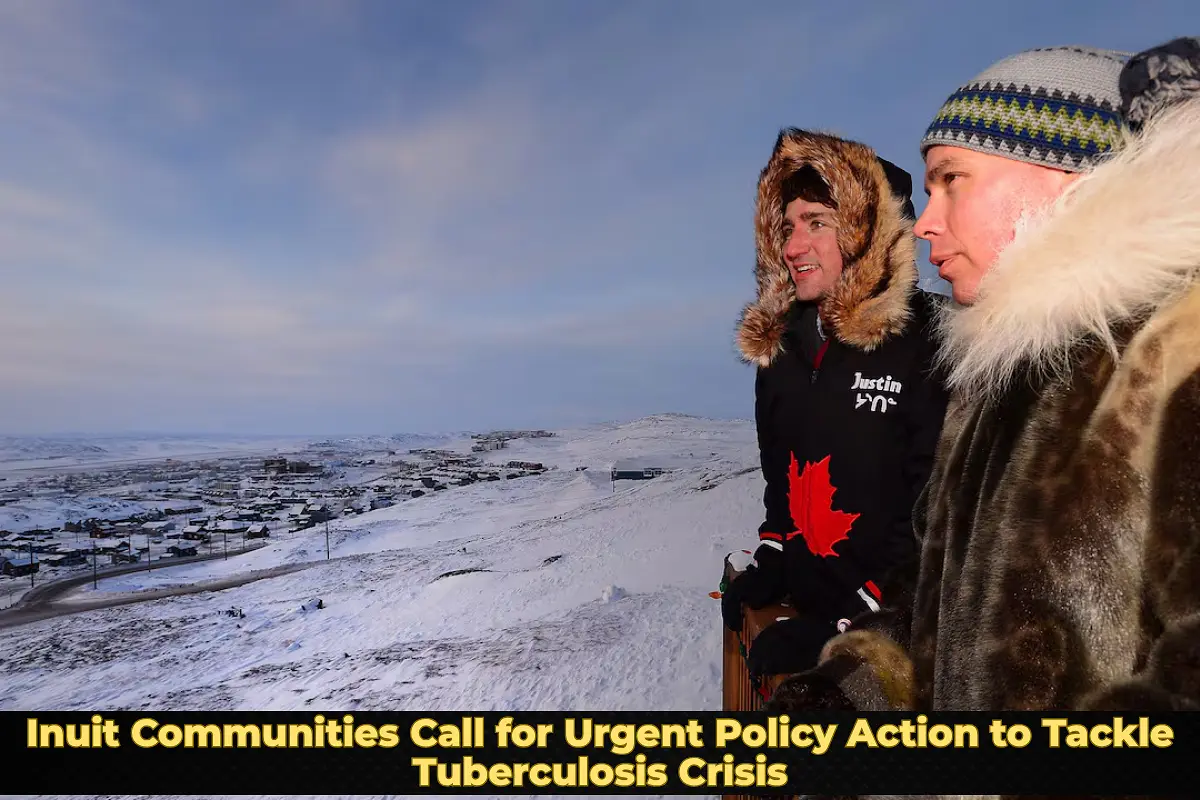
Inuit Communities Call for Urgent Policy Action to Tackle Tuberculosis Crisis
Inuit communities have called for urgent policy action to address a worsening tuberculosis (TB) crisis, urging government authorities in April 2026 to implement targeted healthcare interventions, improve living conditions, and expand access to medical services in remote regions where infection rates remain significantly higher than national averages.
The appeal comes as public health experts and community leaders warn that longstanding structural challenges, including overcrowded housing, limited healthcare infrastructure, and delayed diagnosis, are contributing to the continued spread of TB among Inuit populations. Advocates say immediate and sustained action is needed to prevent further escalation of the disease.
Persistent Public Health Challenge
Tuberculosis, a contagious bacterial infection that primarily affects the lungs, has largely been controlled in many developed regions. However, Inuit communities continue to experience disproportionately high infection rates, highlighting persistent gaps in healthcare access and disease prevention efforts.
Health professionals note that TB transmission is often linked to close living conditions, making overcrowded housing a major risk factor. In many remote northern communities, limited housing availability has resulted in multiple families sharing small spaces, creating an environment conducive to the spread of infectious diseases.
Experts emphasize that without addressing these underlying conditions, efforts to control TB are unlikely to achieve long-term success.
Calls for Policy Reform
Community leaders and healthcare advocates are urging governments to implement comprehensive policy reforms that address both medical and social determinants of health. This includes increased funding for TB screening and treatment programs, improved housing infrastructure, and expanded healthcare services in remote areas.
Stakeholders have highlighted the need for culturally appropriate healthcare solutions that involve community participation and respect local traditions. Tailored approaches are seen as essential for building trust and ensuring effective implementation of public health measures.
Advocates argue that a coordinated strategy involving multiple sectors is necessary to tackle the crisis effectively.
Challenges in Healthcare Access
Access to healthcare remains a significant barrier in many Inuit communities, where geographic isolation and limited medical facilities can delay diagnosis and treatment. In some cases, patients must travel long distances to receive specialized care, leading to delays that increase the risk of transmission.
Healthcare workers have also pointed to shortages of trained personnel and resources, which further strain the system. Expanding the availability of diagnostic tools and treatment facilities within communities is considered a critical step in improving outcomes.
Experts note that timely detection and treatment are key to controlling the spread of TB.
Importance of Early Detection and Treatment
Early detection of tuberculosis is essential for preventing severe illness and reducing transmission. Public health programs focused on regular screening and prompt treatment can significantly lower infection rates.
However, barriers such as limited awareness, stigma, and logistical challenges often hinder early diagnosis in affected communities. Education campaigns aimed at increasing awareness about TB symptoms and treatment options are being recommended as part of a broader response strategy.
Ensuring consistent access to medication and follow-up care is also crucial for successful treatment outcomes.
Housing and Social Determinants
In addition to healthcare interventions, experts stress the importance of addressing social determinants such as housing, nutrition, and economic conditions. Overcrowded and inadequate housing has been identified as a major driver of TB transmission in Inuit communities.
Improving living conditions through investment in housing infrastructure can play a significant role in reducing the spread of infectious diseases. Access to nutritious food and stable income sources also contributes to overall health and resilience.
Advocates emphasize that tackling these broader issues is essential for achieving sustainable progress.
Community-Led Solutions
Community involvement is seen as a key factor in the success of TB control efforts. Inuit leaders are calling for greater inclusion in decision-making processes to ensure that policies and programs reflect the specific needs and priorities of their communities.
Local initiatives, including community health programs and peer education efforts, have shown promise in improving awareness and encouraging early treatment. Empowering communities to take an active role in public health strategies can enhance their effectiveness and sustainability.
Experts believe that collaborative approaches can lead to more meaningful and lasting outcomes.
Government Response and Commitments
Government authorities have acknowledged the challenges and expressed commitment to addressing the TB crisis. Efforts are underway to expand healthcare services, increase funding for public health programs, and improve housing conditions in affected regions.
However, community leaders stress that more rapid and comprehensive action is needed to address the scale of the problem. They are calling for clear timelines, measurable targets, and accountability mechanisms to ensure progress.
Experts note that sustained political will and investment will be critical to achieving meaningful change.
Global Implications
The situation in Inuit communities highlights broader global challenges in addressing health disparities among indigenous populations. Despite advances in medical science, vulnerable groups continue to face disproportionate burdens of disease due to systemic inequalities.
Public health experts say that lessons learned from addressing TB in these communities can inform strategies for tackling similar challenges in other regions. International collaboration and knowledge sharing may also play a role in improving outcomes.
Addressing these disparities is seen as an important step toward achieving global health equity.
Future Outlook
Looking ahead, stakeholders emphasize the need for a sustained and coordinated response to eliminate tuberculosis in Inuit communities. This includes continued investment in healthcare infrastructure, housing, and community-based initiatives.
Advances in diagnostic technologies and treatment options may also contribute to improved outcomes, but their impact will depend on effective implementation and accessibility. Ensuring that all communities have access to these advancements is a key priority.
Experts remain cautiously optimistic that with the right policies and resources, progress can be made in reducing TB rates.
Conclusion
Inuit communities’ call for urgent policy action underscores the need for comprehensive and sustained efforts to address the tuberculosis crisis, as stakeholders push for solutions that tackle both medical and social determinants of health to achieve long-term disease control.