Iran-Israel Conflict Enters Day 19 as Strikes Intensify Across Region
The Iran-Israel conflict has entered its 19th day with intensified strikes, rising casualties, and growing fears of a wider regional war.
 SANJANA DUTTA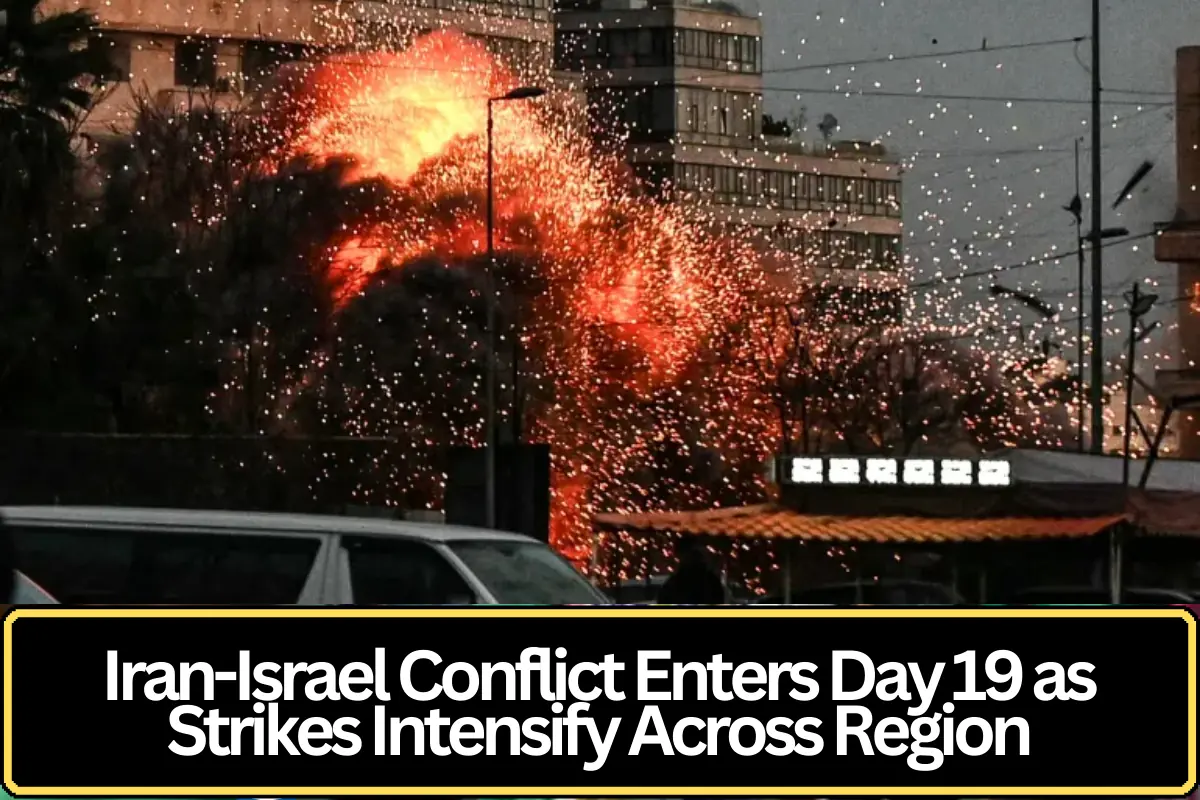
Conflict Escalates Into Nineteenth Day
The ongoing conflict between Iran and Israel entered its 19th day on March 18, 2026, with intensified military strikes, rising casualties, and increasing fears of a broader regional war. The confrontation, involving direct and indirect participation from the United States and allied forces, has expanded across multiple fronts, targeting strategic infrastructure and military positions.
Heavy exchanges of missiles and airstrikes have continued, with both sides reporting attacks on key facilities. The escalation has significantly heightened tensions across the Middle East, raising concerns among global leaders about the potential for further destabilization.
Continued Airstrikes and Retaliation
Israeli and U.S. forces have carried out additional strikes on Iranian military sites and infrastructure, aiming to weaken operational capabilities. In response, Iran has launched retaliatory missile attacks targeting Israeli positions and assets linked to Western interests in the region.
Reports indicate that strategic locations, including energy facilities and logistical hubs, have been hit, amplifying the economic and security implications of the conflict. The ongoing cycle of attack and retaliation shows no signs of slowing, with both sides maintaining a hardline stance.
Military analysts suggest that the sustained intensity of operations reflects a shift from limited engagements to a more prolonged and expansive conflict.
Rising Casualties and Humanitarian Concerns
The conflict has resulted in significant casualties, with thousands reported killed or injured since the escalation began. Civilian populations in affected areas continue to face the brunt of the violence, with infrastructure damage disrupting access to essential services such as healthcare, water, and electricity.
Humanitarian organizations have expressed concern over the deteriorating conditions, warning of a potential crisis if hostilities persist. Displacement has increased as residents flee areas near conflict zones, seeking safety amid ongoing bombardments.
The situation has placed additional strain on neighboring countries, which are preparing for possible influxes of refugees and broader regional instability.
Strategic Targets and Economic Impact
The targeting of energy infrastructure has emerged as a critical aspect of the conflict, with attacks on oil facilities raising alarms in global markets. The Middle East’s role as a key energy supplier means that disruptions can have far-reaching economic consequences.
Shipping routes and maritime security have also been affected, with heightened risks for commercial vessels operating in the region. These developments have contributed to volatility in global oil prices and concerns over supply chain disruptions.
Experts warn that prolonged instability could exacerbate inflationary pressures and impact economic growth worldwide.
Regional and Global Reactions
Countries across the region have responded with increased security measures, while global powers have called for restraint and diplomatic engagement. Efforts to mediate the conflict have intensified, though progress remains limited due to entrenched positions on both sides.
The involvement of the United States has added a significant dimension to the conflict, drawing attention to the broader geopolitical implications. Other nations have urged de-escalation, emphasizing the need to prevent the situation from spiraling into a wider war.
International organizations have also highlighted the importance of protecting civilians and maintaining access to humanitarian aid.
Risk of Wider Regional War
Analysts warn that the continued escalation increases the risk of the conflict spreading beyond its current boundaries. The involvement of allied groups and regional actors has already expanded the scope of hostilities, raising concerns about a multi-front confrontation.
The potential for miscalculation or unintended escalation remains high, particularly given the intensity of military operations and the proximity of various actors in the region.
Experts stress that without significant diplomatic intervention, the conflict could evolve into a prolonged regional crisis with global ramifications.
Diplomatic Efforts and Challenges
Diplomatic channels remain active, with ongoing discussions aimed at achieving a ceasefire or reducing hostilities. However, deep-seated mistrust and strategic objectives continue to hinder meaningful progress.
Efforts by international mediators have focused on establishing communication between the parties and addressing immediate concerns such as civilian protection and humanitarian access.
Despite these initiatives, the lack of consensus on key issues has limited the effectiveness of negotiations.
Outlook
The coming days are expected to be critical in determining the trajectory of the conflict. Continued military actions, coupled with limited diplomatic breakthroughs, suggest that tensions may remain high in the near term.
Observers note that the situation remains fluid, with developments on the ground likely to influence both regional dynamics and global responses.
Conclusion
As the Iran-Israel conflict enters its 19th day, the combination of sustained military engagement, humanitarian challenges, and geopolitical tensions underscores the complexity of the crisis. The international community continues to monitor the situation closely, with calls for de-escalation growing louder.
Current Status
The conflict remains ongoing with intensified strikes and limited diplomatic progress, as fears of a wider regional war continue to mount.