Iran Tensions Escalate as Regional Uncertainty Deepens Amid Ongoing Conflict
Rising tensions involving Iran continue to fuel regional instability, with geopolitical uncertainty growing amid ongoing conflict and global concerns over escalation.
 SANJANA DUTTA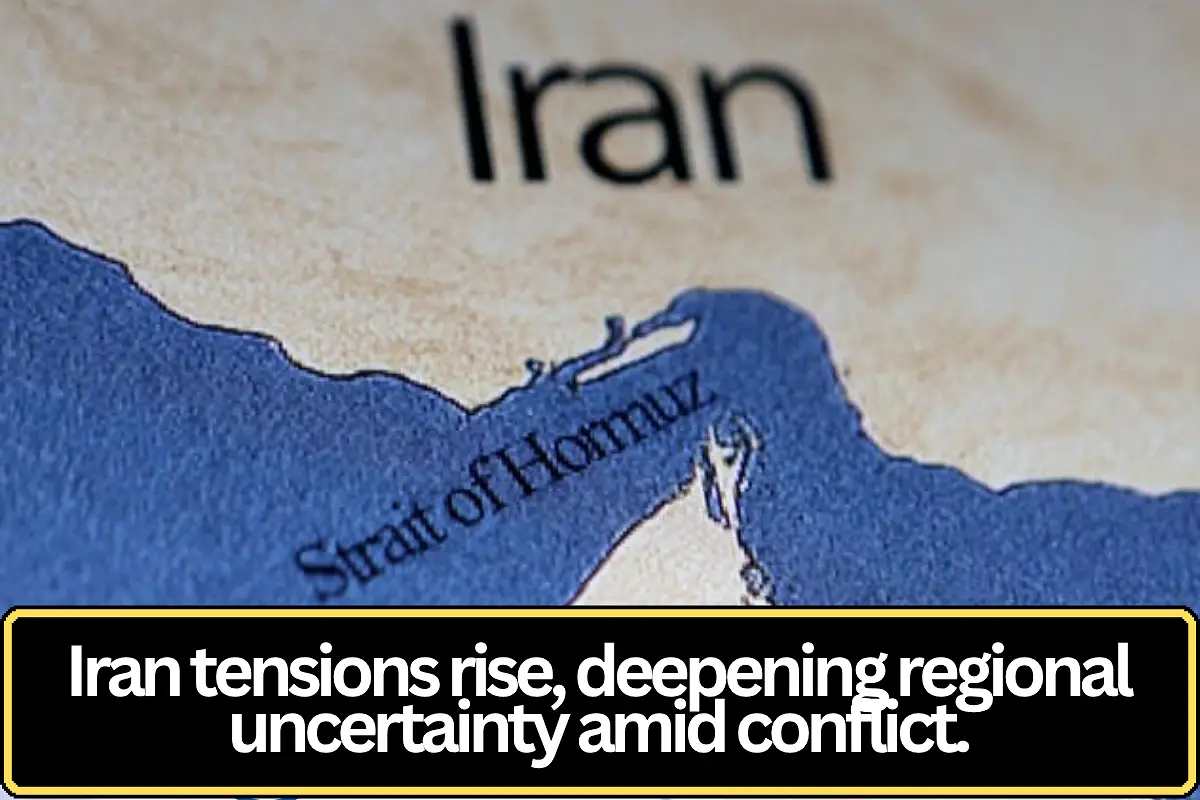
Iran Tensions Escalate as Regional Uncertainty Deepens Amid Ongoing Conflict
Rising tensions involving Iran have intensified geopolitical uncertainty across the Middle East, as ongoing conflict and diplomatic strain continue to shape global political dynamics. The developments, unfolding in recent days across the region, have drawn international concern due to their potential to trigger wider instability, disrupt global energy markets, and reshape alliances.
The situation centers on escalating friction between Iran and its adversaries, particularly amid continued military posturing and strategic signaling. Reports indicate heightened alert levels across key locations, with governments closely monitoring the evolving security environment. The developments come at a time when the region is already grappling with overlapping crises, further complicating efforts to maintain stability.
Growing Regional Concerns
Regional actors have expressed concern over the trajectory of events, as tensions risk spilling beyond immediate zones of confrontation. Analysts warn that miscalculations or unintended escalations could rapidly widen the scope of the conflict. Neighboring countries have begun reassessing their security postures, while diplomatic channels remain active but strained.
The broader Middle East landscape has long been shaped by rivalries involving Iran, with multiple flashpoints tied to its regional influence. The current developments appear to be amplifying these longstanding fault lines, raising fears of a prolonged period of instability.
Global Implications and Energy Markets
The escalation has also drawn attention from global markets, particularly in the energy sector. The Middle East remains a critical hub for oil and gas supply, and any disruption linked to heightened tensions could have far-reaching economic consequences. Market observers note increased volatility, with prices reacting to uncertainties surrounding key shipping routes and production facilities.
International stakeholders have urged restraint, emphasizing the need to safeguard vital economic interests. The strategic importance of maritime corridors in the region has further underscored the global stakes tied to the unfolding situation.
Diplomatic Efforts and Strategic Calculations
Diplomatic efforts to de-escalate tensions are ongoing, though progress appears limited. Several countries have called for dialogue and a return to negotiations, while also preparing contingency measures in case the situation deteriorates. The complex interplay of military readiness and diplomatic engagement reflects the high-stakes nature of the crisis.
Experts suggest that both sides are weighing their options carefully, balancing domestic pressures with international considerations. The absence of a clear pathway to resolution has added to the uncertainty, leaving observers cautious about near-term outcomes.
Domestic and Political Dimensions
Within Iran and across other involved nations, domestic political factors are also shaping responses to the crisis. Leadership decisions are influenced by internal dynamics, including public sentiment, economic conditions, and strategic priorities. These factors can both constrain and drive policy choices, adding another layer of complexity to the situation.
The interplay between domestic politics and external strategy has historically played a significant role in shaping regional developments. In the current context, this dynamic continues to influence how key actors respond to evolving challenges.
International Reactions
Global powers have reacted with caution, issuing statements that stress the importance of stability and adherence to international norms. While some nations have aligned themselves with particular positions, others have adopted a more neutral stance, focusing on preventing further escalation.
Multilateral forums have also taken note of the developments, with discussions centered on potential pathways to de-escalation. However, consensus remains difficult to achieve, reflecting the divergent interests at play.
Outlook Remains Uncertain
The trajectory of the conflict remains uncertain, with multiple scenarios possible depending on how events unfold in the coming days and weeks. Analysts emphasize the need for sustained diplomatic engagement, even as the risk of confrontation persists.
For now, the situation continues to evolve rapidly, with stakeholders closely watching for any signs of escalation or breakthrough. The developments underscore the fragile nature of regional stability and the broader implications for global security.
As tensions persist, the international community remains on alert, seeking to navigate a complex and volatile landscape while aiming to prevent a wider crisis.