Iran Warns Meta, Google, Apple and Other US Tech Firms of Potential Action Amid Rising Tensions
 Taniska Kumari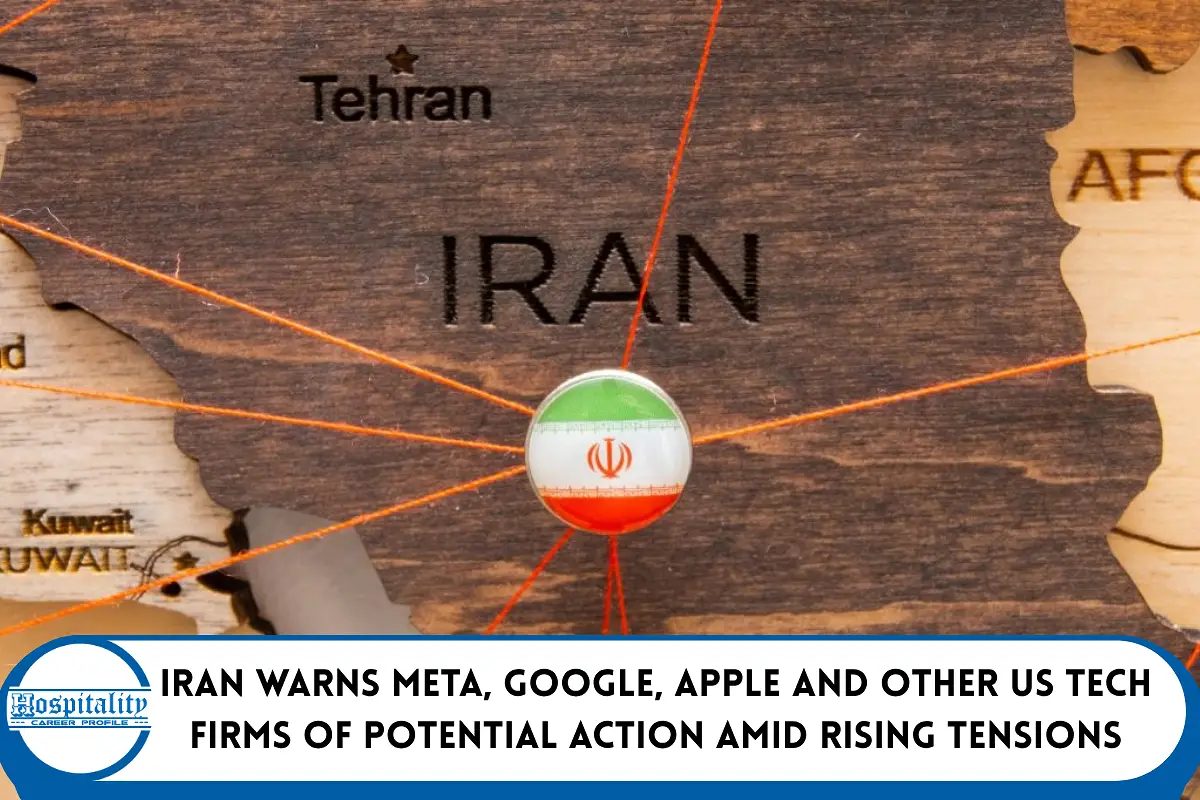
Iran has issued a warning to major United States technology companies including Meta, Google, and Apple, signaling potential action against them as geopolitical tensions extend into the digital domain, according to reports published in March 2026. The move highlights growing friction between governments and global technology firms over data control, platform influence, and regulatory authority.
Escalation of Digital and Geopolitical Tensions
The warning from Iranian authorities marks a significant escalation in the ongoing tensions between Iran and US-based technology companies. Officials indicated that these firms could face consequences if they fail to comply with national regulations or if their platforms are used in ways deemed harmful to the country’s interests.
The statement comes amid increasing scrutiny of foreign technology companies operating across borders, with governments seeking greater control over digital infrastructure, user data, and online content.
Concerns Over Data and Platform Influence
Iran’s concerns appear to center on issues such as data sovereignty, content moderation, and the influence of global platforms on domestic audiences. Authorities have previously expressed unease about how international tech companies handle user data and regulate content within their platforms.
The latest warning suggests that Iran may be considering stricter measures to regulate or limit the operations of these companies within its jurisdiction. This could include restrictions on services, enforcement actions, or new regulatory requirements.
Such moves are part of a broader global trend where governments are increasingly asserting control over digital ecosystems and seeking to ensure that foreign companies adhere to local laws.
Impact on Major Tech Companies
Meta, Google, Apple, and other US-based firms are among the largest players in the global technology industry, offering services that range from social media and search engines to mobile operating systems and cloud computing.
Any action taken by Iran could affect the availability and functionality of these services within the country. While some of these platforms already face restrictions in Iran, further measures could deepen the divide between global technology networks and national digital systems.
The companies involved have not yet publicly responded to the warning, and it remains unclear what specific actions Iran may take or when they might be implemented.
Broader Implications for Global Tech Regulation
The situation reflects a growing trend of fragmentation in the global technology landscape, where different regions are developing their own regulatory frameworks and digital policies. This has led to the emergence of distinct digital ecosystems with varying rules and standards.
Countries around the world are increasingly focused on issues such as data localization, cybersecurity, and platform accountability. As a result, technology companies are facing a complex regulatory environment that requires them to navigate differing legal and political expectations.
Iran’s warning adds to this evolving landscape, underscoring the challenges faced by global tech firms in maintaining operations across multiple jurisdictions.
Potential Economic and Operational Effects
If Iran moves forward with restrictive measures, it could have economic implications for both the country and the companies involved. For tech firms, reduced access to markets can impact user growth and revenue opportunities, particularly in regions with significant populations.
For Iran, limiting access to global platforms could affect businesses, developers, and consumers who rely on these services for communication, commerce, and innovation. This could accelerate the development of domestic alternatives or increase reliance on regional technology solutions.
The balance between regulatory control and economic impact will likely play a key role in shaping the outcome of this situation.
Technology and Sovereignty Debate
At the core of the issue is the broader debate over digital sovereignty, where nations seek to control their own digital infrastructure and data flows. Governments argue that such control is necessary for national security and cultural preservation, while critics warn that it can lead to increased censorship and reduced access to information.
Technology companies, on the other hand, must balance compliance with local regulations against their global operating models and commitments to user privacy and open access.
This tension has become a defining feature of the modern digital economy, influencing policy decisions and corporate strategies worldwide.
Future Outlook
The warning issued by Iran could lead to further developments in the coming months, including potential negotiations, policy changes, or enforcement actions. The response from the affected companies and the broader international community will be closely watched.
As geopolitical dynamics continue to influence the technology sector, similar situations may arise in other regions, contributing to the ongoing reshaping of the global digital landscape.
Industry observers note that collaboration between governments and technology companies will be essential to address these challenges while maintaining innovation and user access.
Conclusion
Iran’s warning to major US technology companies highlights the growing intersection of geopolitics and digital regulation, as governments and global firms navigate an increasingly complex and fragmented technological environment.