Israel Polls Show No Major Political Boost for Netanyahu Despite Iran Conflict
Recent Israeli opinion polls show that Prime Minister Benjamin Netanyahu has not gained a significant increase in political support despite the ongoing conflict with Iran, highlighting continued divisions in Israeli domestic politics.
 SANJANA DUTTA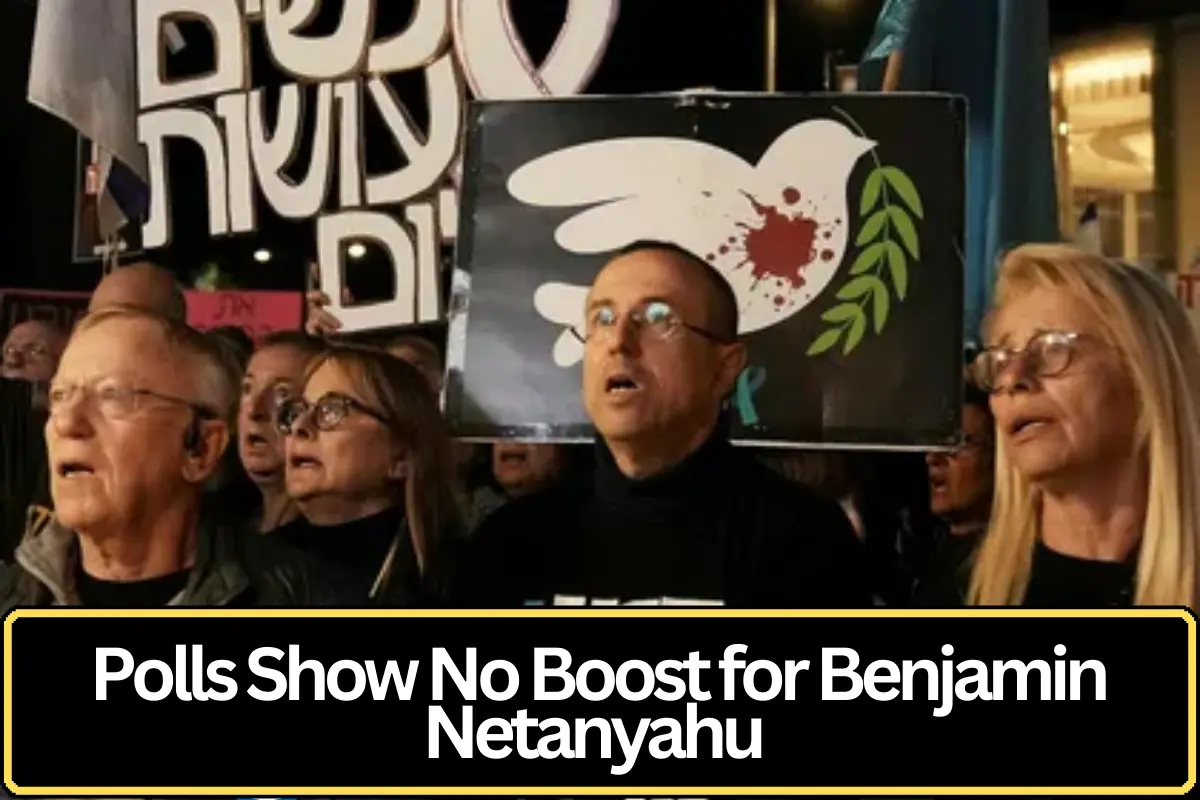
Introduction
Recent public opinion surveys in Israel indicate that Prime Minister Benjamin Netanyahu has not received a significant political boost in the polls despite the ongoing military conflict involving Iran. While Israeli public support for military action against Iran remains strong, polling data suggests that the conflict has not substantially improved Netanyahu’s standing among voters.
The situation reflects a complex political environment in Israel, where national security concerns often unite the public behind military operations but do not necessarily translate into long-term political gains for the government. Analysts say the lack of a major rise in Netanyahu’s approval ratings highlights persistent political divisions and ongoing concerns about domestic governance.
Conflict With Iran Dominates Israeli Security Agenda
The military confrontation between Israel and Iran has become one of the most significant geopolitical developments in the Middle East. Israeli leaders have described the campaign as part of efforts to weaken Iran’s military capabilities and reduce threats linked to its missile and nuclear programs.
Israel’s government has argued that the operation is necessary to protect national security and prevent Iran from strengthening its regional influence. Iranian authorities have accused Israel of aggression and have responded with missile and drone attacks targeting Israeli territory.
The escalation has raised tensions across the region and has drawn global attention, with international leaders closely monitoring the potential impact on regional stability and global energy markets.
Public Support for Military Action Remains High
Despite the political debate surrounding the government, surveys indicate that most Israelis support military action against Iran. Many citizens view Iran’s nuclear and missile programs as a serious threat to Israel’s security.
Public opinion research has shown that a large majority of Jewish Israelis support strikes against Iranian targets, even though support is lower among Arab citizens of Israel. Overall national support for the campaign remains strong, reflecting widespread concern about security risks posed by Iran.
Political analysts say this pattern is common in Israel during periods of external conflict. Security operations often generate broad public backing even among voters who oppose the governing coalition.
No Significant Political Surge for Netanyahu
Despite the high level of support for the military campaign, Netanyahu has not experienced a major surge in popularity in national opinion polls. Surveys suggest that many Israelis separate their support for military actions from their evaluation of political leadership.
Some voters continue to express dissatisfaction with the government’s broader performance, including economic management, domestic policy issues, and long-standing political disputes. These concerns appear to limit the extent to which security developments influence voting intentions.
Political observers note that this trend reflects a shift in Israeli politics in recent years. While previous military conflicts sometimes produced a temporary rise in support for leaders, public opinion has become more cautious about linking security operations with political leadership.
Deep Political Divisions Continue
Israel’s domestic political landscape remains highly fragmented. The country has experienced several closely contested elections in recent years, reflecting deep divisions between political parties and voter groups.
Opposition leaders continue to criticize the government on a range of issues, including economic conditions, social policy, and the management of ongoing conflicts. At the same time, supporters of Netanyahu argue that his experience and leadership remain essential during a period of regional tension.
The current political environment means that shifts in public opinion tend to be limited, even during major national security events.
Historical Context of Netanyahu’s Leadership
Benjamin Netanyahu has been a dominant figure in Israeli politics for many years. He has served multiple terms as prime minister and is known internationally for his strong stance on security issues, particularly regarding Iran.
Throughout his political career, Netanyahu has consistently warned about the threat posed by Iran’s nuclear ambitions and regional alliances. His government has taken a firm position against Tehran’s military development and has worked closely with allies on security strategies.
However, Netanyahu’s leadership has also faced criticism from political opponents and segments of the Israeli public, particularly over domestic policies and corruption investigations that have shaped political debates in recent years.
Poll Results Reflect Mixed Public Sentiment
Recent polls suggest that while Israelis largely support the military campaign against Iran, many remain skeptical about the broader political leadership of the government. Trust in Netanyahu among the general public has remained relatively stable rather than rising significantly during the conflict.
Some analysts say this indicates that voters are evaluating the government on a wide range of issues beyond national security. Economic concerns, social policy debates, and political controversies continue to influence public opinion.
This pattern demonstrates that military events alone may not be enough to reshape the political landscape in Israel.
Opposition Parties Continue Political Campaigns
Opposition parties have continued to challenge the government’s policies even as the conflict with Iran dominates headlines. Political leaders from across the opposition spectrum argue that long-term national security requires broader political reforms and stronger domestic governance.
These parties have focused their criticism on economic management, social inequality, and the government’s handling of other regional conflicts. At the same time, most opposition figures have expressed support for the Israeli military and its operations.
This distinction allows opposition parties to maintain criticism of the government while avoiding direct confrontation over national security matters.
Security Institutions Maintain High Public Trust
While political leaders face mixed public ratings, Israel’s security institutions continue to enjoy high levels of public confidence. Surveys show that organizations such as the Israeli military and intelligence agencies are widely trusted by the public.
This trust reflects the central role that security institutions play in Israel’s national life. The country’s security environment has shaped public attitudes for decades, making defense agencies among the most respected institutions in Israeli society.
Analysts say the high level of trust in these institutions may also explain why political leaders do not automatically gain popularity during military operations.
Impact on Future Elections
The absence of a major surge in Netanyahu’s popularity could influence future election dynamics in Israel. Political parties are closely monitoring public opinion as they prepare for potential elections in the coming months or years.
If current trends continue, Israel could face another highly competitive election cycle. The country’s political system often produces coalition governments, meaning that small shifts in voter preferences can have significant effects on political outcomes.
For Netanyahu and his allies, maintaining support among core voters will be critical for sustaining political power.
Regional Tensions Continue to Shape Politics
The broader conflict involving Iran is likely to remain a major factor in Israeli politics. Regional tensions have historically played a central role in shaping public opinion and government policy.
At the same time, Israeli voters continue to balance security concerns with domestic priorities such as economic stability, public services, and political accountability.
These competing concerns create a complex environment in which military developments influence political debate but do not necessarily determine electoral outcomes.
Conclusion
Opinion polls in Israel indicate that Prime Minister Benjamin Netanyahu has not experienced a significant political boost despite the ongoing conflict involving Iran. While public support for military operations remains strong, voter attitudes toward political leadership appear largely unchanged.
The situation highlights the complexity of Israeli politics, where national security events may unite the public behind military action but do not automatically translate into increased political support for the government.
As regional tensions continue and domestic political debates persist, the relationship between security developments and political leadership will remain a key factor shaping Israel’s political landscape.