Israel Warns It May Target Ambulances in Lebanon Amid Escalating Fighting With Hezbollah
Israel warned it could target ambulances in Lebanon if they are used by Hezbollah militants during ongoing cross‑border fighting, raising concerns about the safety of medical services in the conflict zone.
 Akanksha jain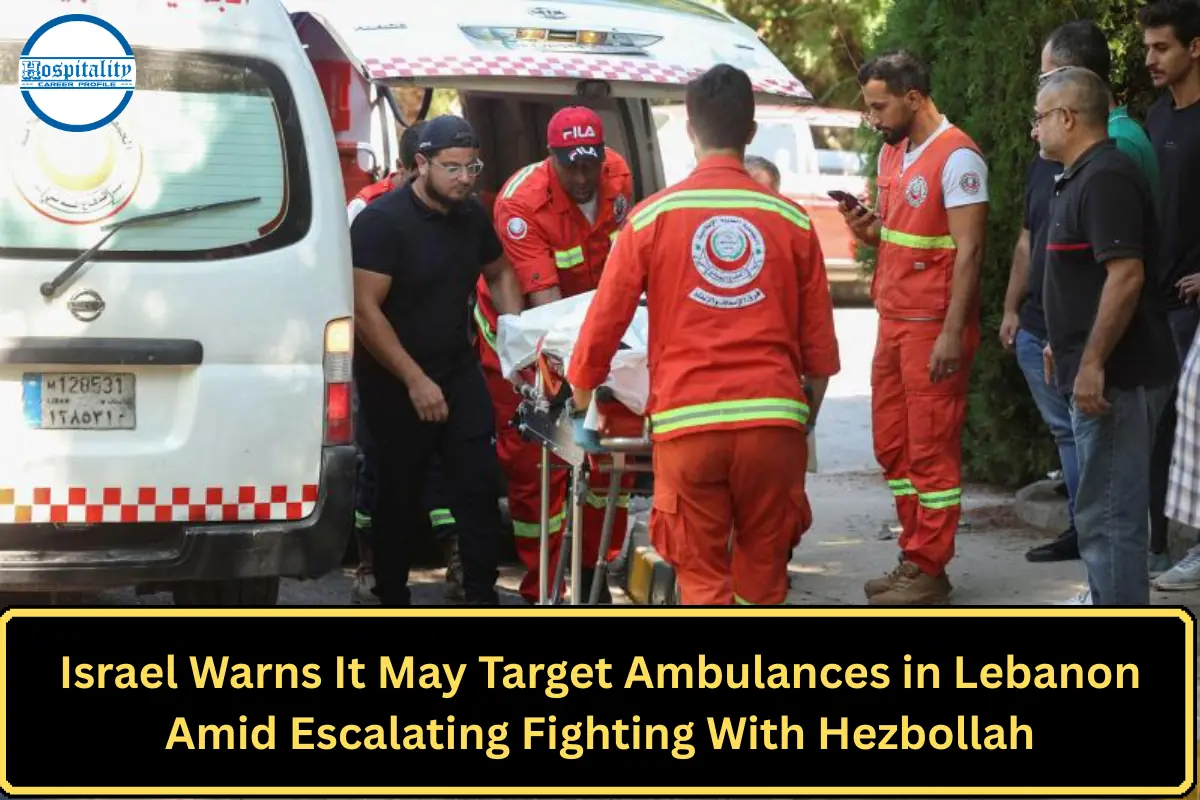
Israel Warns Ambulances Could Be Targeted in Lebanon Conflict
Israel warned that ambulances in Lebanon could be targeted if they are used by Hezbollah militants during ongoing cross‑border fighting, escalating concerns about the safety of emergency medical services in the conflict zone. The warning was issued amid intensified hostilities between Israeli forces and the Iran‑backed Hezbollah group along the Israel‑Lebanon border.
Israeli officials said the warning was intended to prevent the misuse of medical vehicles for military activities. According to statements released during the conflict, Israel alleges that militant groups have at times used ambulances or other civilian vehicles to transport fighters or weapons during military operations.
The development has raised alarm among humanitarian organizations and healthcare providers, who stress that ambulances and medical personnel are protected under international humanitarian law and should be allowed to operate safely during armed conflicts.
Escalating Cross-Border Tensions
The warning comes as clashes between Israel and Hezbollah continue to intensify along the border between Israel and Lebanon. The two sides have exchanged fire repeatedly in recent months, contributing to rising tensions across the region.
Hezbollah, a powerful armed group and political organization based in Lebanon, has been involved in periodic confrontations with Israel for decades. The group maintains significant influence in Lebanese politics while also operating an armed wing that Israel considers a major security threat.
Cross‑border attacks have included rocket launches, artillery fire, and airstrikes, with both sides accusing the other of escalating hostilities. The conflict has also forced residents in border areas to evacuate their homes due to safety concerns.
Military analysts say that while the fighting remains largely concentrated near the border, continued escalation could risk widening the conflict in the region.
Concerns Over Use of Civilian Vehicles in Conflict
Israeli authorities have argued that militant groups sometimes use civilian infrastructure and vehicles, including ambulances, to conceal military activities. Officials say such actions could blur the distinction between civilian and military assets during combat operations.
If verified, such practices could complicate efforts to protect civilian infrastructure in war zones. However, humanitarian groups stress that any targeting decisions must strictly adhere to international legal standards designed to protect medical services and civilian populations.
Ambulances and emergency medical teams play a crucial role in conflict environments, providing rapid medical assistance to injured civilians and combatants alike. Their ability to operate safely is considered essential for saving lives during military confrontations.
Health organizations warn that threats against medical transport vehicles could discourage emergency responders from operating in high‑risk areas, potentially delaying lifesaving care.
International Humanitarian Law and Medical Protection
International humanitarian law establishes specific protections for medical personnel, hospitals, and ambulances during armed conflicts. These protections are designed to ensure that medical services remain available even in areas experiencing active fighting.
Under these legal frameworks, ambulances and medical workers must not be deliberately targeted and should be allowed to carry out humanitarian duties without interference. The rules apply to both state military forces and non‑state armed groups involved in conflicts.
However, international law also states that protected medical vehicles may lose their protected status if they are used to carry out acts harmful to an opposing military force, such as transporting weapons or fighters.
Legal experts say determining whether such conditions exist requires careful assessment and adherence to strict rules intended to minimize civilian harm.
Impact on Emergency Medical Services
The possibility that ambulances could become targets in conflict zones raises significant concerns for healthcare providers operating in affected areas. Emergency medical teams depend on secure access to roads and communities to transport injured individuals to hospitals.
In regions experiencing active conflict, ambulances often serve as the primary means of delivering urgent medical care to victims of violence. Any disruption to these services can increase the risk of preventable deaths or untreated injuries.
Medical professionals working in war zones frequently operate under dangerous conditions, navigating damaged infrastructure and security threats while attempting to provide care.
Humanitarian agencies say maintaining safe passage for ambulances is essential to ensuring that injured civilians and others in need of treatment can receive timely medical attention.
Humanitarian Organizations Express Concern
International humanitarian organizations have expressed concern about the implications of warnings involving potential strikes on ambulances. Aid groups emphasize that healthcare workers must be able to perform their duties without fear of being targeted during conflict.
Organizations involved in emergency medical response have repeatedly called on all parties in armed conflicts to respect the neutrality of healthcare services. This includes allowing ambulances to move freely and ensuring that hospitals remain safe locations for patients and medical staff.
Humanitarian experts warn that erosion of these protections could have long‑term consequences for civilian populations living in conflict zones.
Without secure medical access, communities affected by violence may struggle to obtain essential healthcare services during emergencies.
Regional and International Reactions
The warning regarding ambulances has drawn attention from international observers monitoring developments in the Middle East conflict. Diplomatic officials and humanitarian groups continue to urge restraint from all sides involved in the fighting.
Regional tensions remain high as the conflict between Israel and Hezbollah unfolds alongside other geopolitical challenges in the Middle East. Observers say maintaining humanitarian protections will be essential to minimizing civilian harm as the situation evolves.
International organizations are also continuing to monitor the humanitarian impact of the conflict, including access to healthcare services and emergency medical transport.
Ensuring the safety of medical personnel and infrastructure remains a key priority for humanitarian groups working in the region.
Uncertain Outlook as Fighting Continues
As cross‑border hostilities continue, concerns remain about the potential humanitarian consequences of further escalation between Israel and Hezbollah. Military actions near populated areas can quickly place civilian infrastructure, including hospitals and emergency services, at risk.
Healthcare providers operating in Lebanon and the surrounding areas are closely monitoring developments while continuing to deliver medical care under difficult circumstances.
Humanitarian agencies emphasize that protecting medical services must remain a central consideration in any armed conflict. Ambulances, hospitals, and healthcare workers are essential components of emergency response systems that support civilians during times of crisis.
The situation along the Israel‑Lebanon border remains volatile as international observers continue monitoring developments and their potential impact on civilian populations and healthcare access.