IUCN Calls for Stronger Political Commitment to Protect Pastoralists and Global Rangelands
The International Union for Conservation of Nature urges governments to show stronger political will to safeguard pastoralist communities and protect vital rangeland ecosystems worldwide.
 SANJANA DUTTA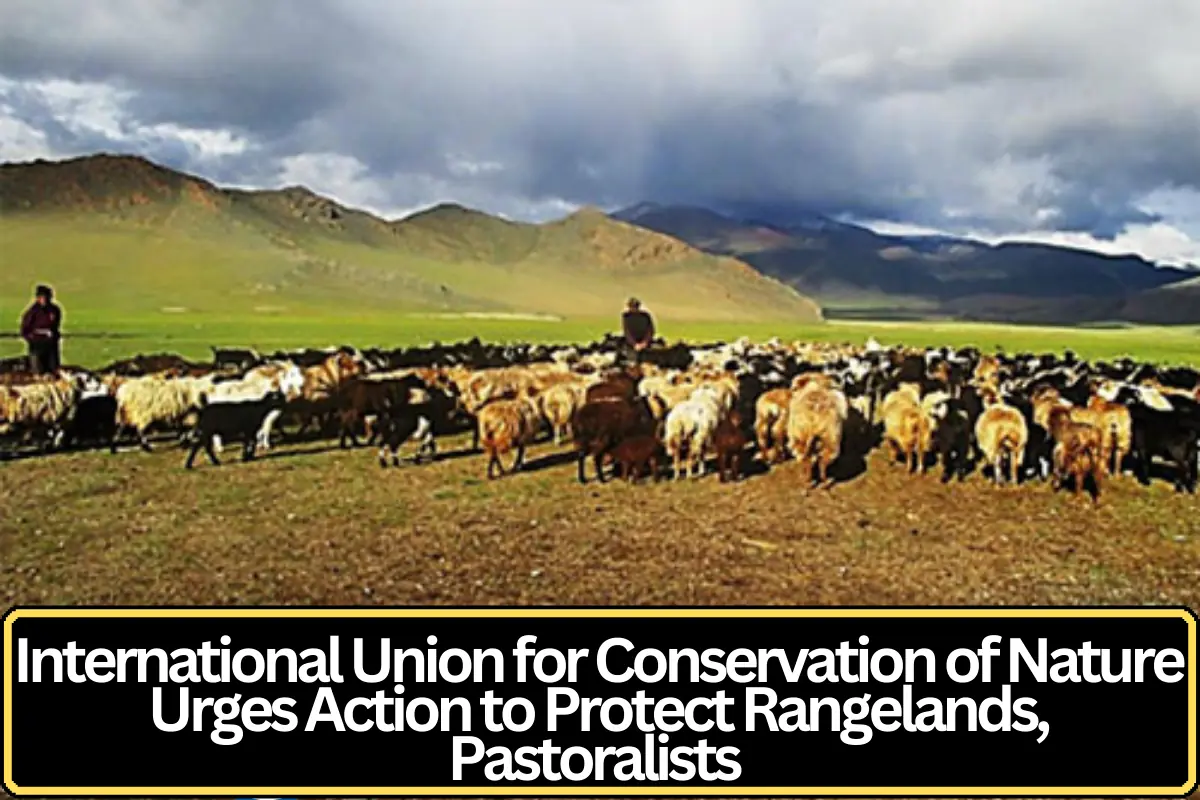
Introduction
The International Union for Conservation of Nature (IUCN) has called for stronger political commitment from governments worldwide to protect pastoralist communities and the rangeland ecosystems they depend upon. According to conservation experts, rangelands cover vast areas of the planet and support millions of people whose livelihoods rely on livestock grazing and traditional land management practices.
Pastoralists, who move livestock across large landscapes in search of grazing and water, have maintained sustainable relationships with these environments for generations. However, increasing pressures such as climate change, land degradation, expanding agriculture, and development projects are threatening both pastoralist livelihoods and the ecological health of rangelands.
Conservation advocates warn that without coordinated political action, these ecosystems and the communities that manage them could face serious long‑term challenges. Strengthening policies that recognize the importance of pastoralist land use and protect rangeland ecosystems is therefore becoming a growing priority in global environmental discussions.
The Importance of Rangeland Ecosystems
Rangelands represent one of the largest land-use systems on Earth, covering grasslands, savannas, shrublands, and open grazing landscapes across many continents. These ecosystems support biodiversity, store carbon, regulate water cycles, and provide critical habitats for wildlife.
Millions of people depend on rangelands for their livelihoods, particularly in regions of Africa, Asia, the Middle East, and parts of Latin America. Pastoralist communities have historically relied on mobility and deep ecological knowledge to manage these landscapes sustainably.
Traditional pastoralist systems often involve rotating grazing patterns that allow vegetation to recover naturally. These practices can help maintain soil fertility, reduce overgrazing, and support biodiversity within rangeland environments.
Experts argue that recognizing the ecological value of these traditional practices is essential for preserving rangeland ecosystems while supporting the communities that depend on them.
Challenges Facing Pastoralist Communities
Despite their long history of sustainable land management, pastoralist communities are increasingly facing economic and environmental challenges. Climate change has altered rainfall patterns and intensified droughts in many rangeland regions, making it more difficult for pastoralists to maintain healthy livestock herds.
In addition to climate pressures, pastoralists often encounter legal and political obstacles related to land ownership and land use rights. In some regions, rangelands are being converted into farmland, industrial zones, or infrastructure projects. These developments can restrict traditional migration routes that pastoralists rely on for seasonal grazing.
Loss of mobility can have serious consequences for both communities and ecosystems. When pastoralists are unable to move livestock freely, grazing pressure may concentrate in smaller areas, potentially leading to land degradation.
Advocates emphasize that policies recognizing pastoralists’ land rights and mobility are essential for maintaining both economic stability and ecological sustainability.
The Role of Political Leadership
The IUCN and other conservation organizations believe that stronger political leadership is necessary to address the challenges facing rangelands. Governments play a critical role in shaping policies related to land use, conservation, and rural development.
By adopting policies that support pastoralist communities, governments can help protect both livelihoods and ecosystems. Such policies may include recognizing traditional land management systems, supporting grazing rights, and integrating pastoralists into national environmental planning processes.
Political will is also required to ensure that development initiatives do not undermine rangeland ecosystems. Infrastructure projects, agricultural expansion, and resource extraction activities must be carefully managed to avoid damaging fragile landscapes.
Environmental experts stress that balanced policy frameworks can allow economic development to proceed while still safeguarding rangeland ecosystems.
Rangelands and Climate Resilience
Rangelands are increasingly recognized as important components of global climate resilience strategies. Healthy grasslands and savannas can store significant amounts of carbon in their soils, contributing to efforts aimed at reducing greenhouse gas concentrations in the atmosphere.
Pastoralist land management practices often promote vegetation growth and soil stability, which can help maintain this carbon storage capacity. When rangelands are degraded through unsustainable land use or poor planning, they may lose their ability to store carbon effectively.
Protecting rangelands therefore plays a role not only in biodiversity conservation but also in broader climate mitigation and adaptation efforts. Policymakers are increasingly exploring ways to incorporate rangeland protection into national climate strategies.
Integrating Traditional Knowledge and Modern Policy
Many conservation experts highlight the importance of combining traditional ecological knowledge with modern environmental policy. Pastoralist communities possess generations of experience in managing grazing systems, water resources, and seasonal migration routes.
This knowledge can provide valuable insights into sustainable land management practices that support both ecological health and economic resilience. Integrating these perspectives into national policies can strengthen conservation strategies and ensure that they reflect local realities.
Collaboration between governments, scientists, and pastoralist communities is therefore seen as an essential component of successful rangeland management. Inclusive policymaking processes can help ensure that the voices of pastoralists are considered in decisions affecting their livelihoods.
Global Conservation Initiatives
International organizations and environmental networks are increasingly focusing on rangeland conservation as part of broader biodiversity protection strategies. Programs aimed at restoring degraded lands, improving water management, and supporting sustainable grazing practices are being implemented in several regions.
These initiatives often involve partnerships between governments, research institutions, and community organizations. By combining resources and expertise, such collaborations aim to address environmental challenges while supporting rural development.
Global attention to rangelands has also increased as policymakers recognize their importance for food security and ecosystem stability. Livestock produced in pastoralist systems contributes to food supplies in many regions, making the sustainability of these systems a global concern.
The Socioeconomic Importance of Pastoralism
Pastoralism is more than an agricultural practice; it is also a cultural and social system that shapes the identities and traditions of many communities. In numerous regions, pastoralist societies have developed unique cultural practices, languages, and knowledge systems linked to their relationships with the land.
Economic contributions from pastoralism can also be significant. Livestock production supports local economies through meat, milk, wool, and other products. In some countries, pastoralist systems contribute substantially to national agricultural output.
Ensuring that pastoralist communities can continue practicing sustainable grazing is therefore important not only for environmental reasons but also for economic and cultural preservation.
The Need for International Cooperation
Because rangelands often extend across national borders, international cooperation is essential for effective management. Migratory grazing routes may cross multiple countries, requiring coordinated policies to ensure pastoralists can move livestock safely and legally.
Regional agreements and cross-border conservation initiatives can help address these challenges. By sharing information, coordinating policies, and supporting joint environmental projects, countries can work together to protect shared ecosystems.
International organizations emphasize that collaborative approaches are particularly important in regions where climate change is intensifying environmental pressures on rangelands.
Looking Ahead
The call for stronger political commitment highlights the growing recognition that pastoralist communities and rangelands play crucial roles in global environmental sustainability. Protecting these landscapes requires long-term planning, inclusive policymaking, and coordinated international action.
Governments are increasingly encouraged to incorporate rangeland protection into broader environmental strategies, including biodiversity conservation plans and climate adaptation programs. Doing so may help strengthen resilience in rural communities while preserving ecosystems that support wildlife and food production.
Ensuring that pastoralists remain active partners in land management will be essential for maintaining the balance between human livelihoods and environmental conservation.
Conclusion
The call by the International Union for Conservation of Nature for stronger political will reflects growing concern about the future of pastoralist communities and rangeland ecosystems. These landscapes are vital for biodiversity, climate stability, and the livelihoods of millions of people worldwide.
Protecting them will require thoughtful policies that recognize traditional land management practices while addressing modern environmental challenges. Through stronger political commitment, collaboration, and sustainable planning, governments and communities may be able to secure the long-term future of rangelands and the people who depend on them.