Jadhav Highlights Shift from Illness to Wellness at National Health Summit
At a national summit, Jadhav emphasized a shift from illness-based care to wellness-focused healthcare, promoting prevention and holistic health strategies in India.
 Akanksha jain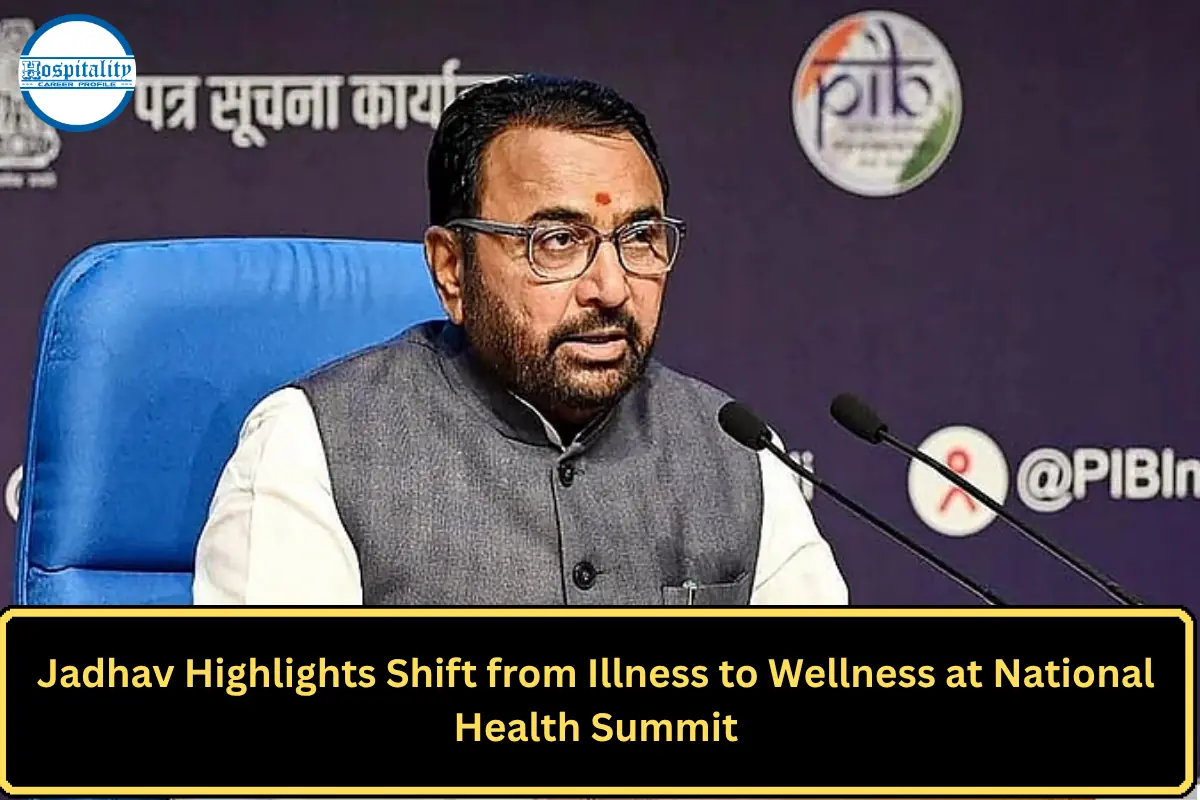
Jadhav Highlights Shift from Illness to Wellness at National Health Summit
A senior government official, Jadhav, addressed a national health summit in India, emphasizing the need to transition from an illness-centric healthcare system to a wellness-focused approach, officials said in March 2026. Speaking at the “Illness to Wellness” summit, Jadhav outlined strategies aimed at strengthening preventive healthcare, improving public awareness, and promoting holistic well-being across the country.
The summit brought together policymakers, healthcare professionals, and industry leaders to discuss the future of healthcare in India. The discussions centered on reducing the burden of disease through early intervention, lifestyle changes, and increased access to primary healthcare services.
Focus on Preventive Healthcare
Jadhav highlighted the importance of preventive healthcare as a cornerstone of the country’s health strategy. He stressed that focusing on prevention rather than treatment could significantly reduce the incidence of chronic diseases such as diabetes, cardiovascular conditions, and respiratory illnesses.
According to officials, the government is working to expand screening programs, encourage regular health check-ups, and promote vaccination campaigns. These measures are expected to help detect health issues early and improve long-term outcomes for patients.
The emphasis on prevention aligns with global healthcare trends that prioritize early diagnosis and proactive health management.
Promoting Lifestyle Changes
A key theme of the summit was the role of lifestyle in determining health outcomes. Jadhav urged individuals to adopt healthier habits, including balanced diets, regular physical activity, and adequate sleep.
He noted that modern lifestyles, characterized by sedentary behavior and poor dietary choices, have contributed to a rise in non-communicable diseases. Addressing these issues requires a combination of public awareness campaigns and supportive policies.
Experts at the summit highlighted the need for community-based initiatives to encourage healthier living and reduce risk factors associated with chronic illnesses.
Strengthening Primary Healthcare Systems
Jadhav also emphasized the importance of strengthening primary healthcare infrastructure to ensure accessibility and affordability. Expanding primary care services is seen as critical in reaching underserved populations and providing timely medical attention.
Officials said that improving healthcare delivery at the grassroots level can reduce the pressure on tertiary care facilities and enhance overall system efficiency. Investments in infrastructure, workforce training, and digital health solutions are being prioritized to achieve these goals.
Primary healthcare centers are expected to play a central role in implementing preventive and wellness-based initiatives.
Integration of Digital Health Technologies
The use of digital technologies in healthcare was another key topic discussed at the summit. Jadhav highlighted how digital platforms, telemedicine, and health data systems can improve access to care and support better decision-making.
Digital tools are being increasingly used to monitor patient health, manage chronic conditions, and deliver healthcare services remotely. These innovations are expected to bridge gaps in healthcare access, particularly in rural and remote areas.
Officials noted that integrating technology into healthcare systems can enhance efficiency and improve patient outcomes.
Holistic Approach to Wellness
The shift from illness to wellness involves a broader, more holistic approach to health, encompassing physical, mental, and social well-being. Jadhav emphasized the need to address mental health alongside physical health, recognizing its growing importance in overall well-being.
Programs aimed at stress management, mental health awareness, and emotional resilience are being encouraged as part of the wellness strategy. Experts noted that addressing mental health challenges is essential for improving quality of life and productivity.
The holistic approach also includes environmental and social factors that influence health outcomes.
Public Awareness and Community Engagement
Increasing public awareness was identified as a critical factor in achieving the transition to a wellness-based healthcare system. Jadhav called for widespread education campaigns to inform citizens about the importance of preventive care and healthy lifestyles.
Community engagement initiatives, including local health programs and partnerships with non-governmental organizations, are expected to play a key role in spreading awareness and encouraging participation.
Officials believe that empowering individuals with knowledge can lead to more informed health decisions and better outcomes.
Policy Support and Implementation
The government is working on policy measures to support the shift toward wellness-focused healthcare. These include incentives for preventive care, regulatory reforms, and investments in health infrastructure.
Jadhav emphasized the importance of collaboration between government agencies, healthcare providers, and the private sector in implementing these policies effectively. Coordinated efforts are seen as essential for achieving long-term success.
Experts at the summit noted that consistent policy execution and monitoring will be crucial in translating the vision into tangible results.
Challenges and Opportunities
While the shift toward wellness presents significant opportunities, it also comes with challenges. These include addressing disparities in healthcare access, ensuring affordability, and overcoming behavioral barriers to adopting healthier lifestyles.
However, experts believe that the growing awareness of health and wellness, combined with advancements in technology, provides a strong foundation for progress. The integration of innovative solutions and community-based approaches is expected to drive change.
Stakeholders highlighted the need for sustained efforts and long-term commitment to achieve meaningful improvements in public health.
Future Outlook
The “Illness to Wellness” summit reflects a broader transformation in healthcare, with a focus on prevention, early intervention, and holistic well-being. Jadhav’s address underscores the government’s commitment to building a healthier population through proactive measures.
As the healthcare landscape continues to evolve, the emphasis on wellness is expected to shape policies and practices in the years ahead. The success of this approach will depend on effective implementation and active participation from all stakeholders.
The initiative marks a significant step toward redefining healthcare priorities in India.
Conclusion
Jadhav’s address at the national summit highlighted a strategic shift toward wellness-focused healthcare, as India aims to strengthen prevention, improve access, and promote healthier lifestyles to reduce the burden of disease.