Japan Warns Iran Conflict Could Disrupt Energy Supplies and Global Stability
Japan has warned that the escalating conflict involving Iran could threaten global energy supplies and economic stability, highlighting the risks to shipping routes and oil markets.
 SANJANA DUTTA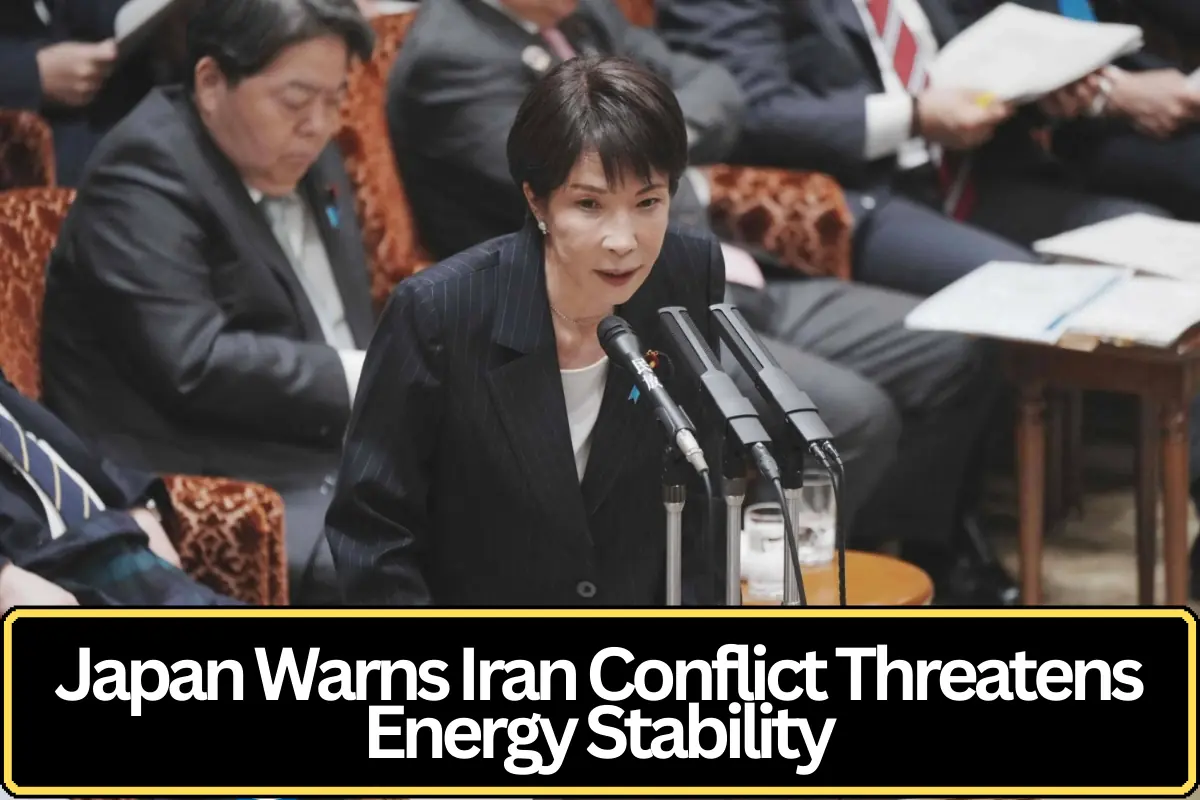
Japan Raises Concerns Over Global Impact of Iran Conflict
Japan has warned that the escalating conflict involving Iran could disrupt global energy supplies and threaten international economic stability, as tensions in the Middle East continue to intensify. Japanese officials and analysts raised the concerns on March 17, 2026, emphasizing that the conflict risks affecting vital shipping routes and energy markets that are critical for Japan and other energy‑importing nations.
The warning comes as the conflict involving Iran and its adversaries has expanded across the region, raising fears of broader geopolitical instability. Japan, which relies heavily on imported oil and natural gas from the Middle East, has been closely monitoring developments due to the potential impact on maritime trade routes and global energy prices.
Dependence on Middle East Energy Supplies
Japan remains one of the world’s largest importers of energy resources, with a significant share of its crude oil and liquefied natural gas sourced from countries in the Middle East. Because of this reliance, instability in the region can have immediate consequences for Japan’s energy security and economic planning.
Much of the oil shipped from the Gulf region travels through the Strait of Hormuz, a narrow maritime passage that connects the Persian Gulf with global shipping lanes. Any disruption to shipping traffic in this strategic waterway could affect energy deliveries to major Asian economies, including Japan, South Korea, and India.
Analysts say that the Strait of Hormuz handles a substantial portion of the world’s oil exports, making it one of the most critical chokepoints in global energy trade. Even temporary disruptions in the area can trigger sharp fluctuations in oil prices and increase concerns among energy-importing nations.
Economic Risks and Market Volatility
The intensifying conflict has already contributed to volatility in global energy markets, as traders assess the risk of supply disruptions and potential damage to oil infrastructure. Energy analysts warn that prolonged hostilities could push oil prices higher, increasing costs for industries and consumers worldwide.
For Japan, higher energy prices could affect manufacturing output, transportation costs, and household expenses. The country’s economic structure, which depends heavily on imported fuel for electricity generation and industrial activity, makes it particularly sensitive to fluctuations in global oil markets.
Government officials and economic experts in Japan have therefore stressed the importance of maintaining stability in international shipping lanes and ensuring uninterrupted energy flows.
Diplomatic Efforts and International Cooperation
Japan has traditionally pursued a diplomatic approach to regional conflicts, emphasizing dialogue and international cooperation. In the context of the current crisis, Japanese officials have called for efforts to reduce tensions and prevent further escalation.
Tokyo has historically maintained diplomatic relations with multiple countries in the Middle East and has sought to position itself as a supporter of peaceful conflict resolution. Analysts say this approach reflects Japan’s broader foreign policy strategy, which prioritizes economic stability and secure trade routes.
Japan has also worked closely with international partners to promote maritime security and safeguard critical shipping lanes. Such cooperation is considered essential for ensuring that global trade continues without major disruptions.
Impact on Global Supply Chains
Beyond energy markets, the ongoing conflict could affect global supply chains that rely on stable maritime routes in the Middle East. The region’s shipping lanes are essential not only for oil but also for various goods transported between Asia, Europe, and Africa.
Any escalation that threatens commercial shipping could therefore have ripple effects across the global economy. Industries ranging from manufacturing to consumer goods could face delays or higher costs if shipping routes are disrupted.
For Japan, whose economy depends heavily on international trade, the smooth functioning of global supply chains is a critical factor in economic planning and growth.
Strategic Importance of Maritime Security
Japanese policymakers have increasingly emphasized the strategic importance of maritime security in recent years. Protecting sea lanes that carry energy resources and commercial goods has become a central element of the country’s national security strategy.
Japan has participated in international initiatives aimed at monitoring and safeguarding shipping routes, particularly in regions vulnerable to geopolitical tensions. These efforts often involve coordination with allied nations and international organizations.
Experts say that maintaining open and secure sea lanes is vital for preventing disruptions that could affect not only energy supplies but also the broader global economy.
Regional and Global Diplomatic Implications
The conflict involving Iran has broader diplomatic implications for countries around the world. Governments are closely observing how the situation evolves, particularly as military actions and retaliatory measures continue to occur across multiple locations in the region.
Japan’s response reflects the concerns of many countries that depend on stable energy markets and secure trade routes. Analysts say the situation underscores how regional conflicts can quickly develop into global economic challenges.
As tensions persist, international diplomacy is likely to focus on preventing further escalation and encouraging negotiations that could reduce the risk of a wider war.
Energy Diversification and Long-Term Strategy
The crisis has also renewed discussion in Japan about the importance of diversifying energy sources. Over the past decade, the country has sought to expand renewable energy production, improve energy efficiency, and explore alternative fuel supplies.
These strategies are intended to reduce dependence on imported fossil fuels and strengthen resilience against geopolitical disruptions. However, analysts note that achieving full diversification remains a long-term challenge for many energy-importing nations.
In the short term, Japan and other major economies must continue to rely on global energy markets that are closely tied to developments in the Middle East.
Current Status
As the conflict involving Iran continues to evolve, Japan has warned that prolonged instability in the Middle East could disrupt global energy supplies and maritime trade routes, underscoring the far-reaching economic risks of the escalating crisis.