JD Vance’s Silence During US‑Israel‑Iran War Sparks Political Questions in Washington
The absence of public statements from US Vice President JD Vance during the early stages of the US‑Israel‑Iran conflict has triggered political debate, raising questions about crisis leadership, national security roles, and internal dynamics within the administration.
 SANJANA DUTTA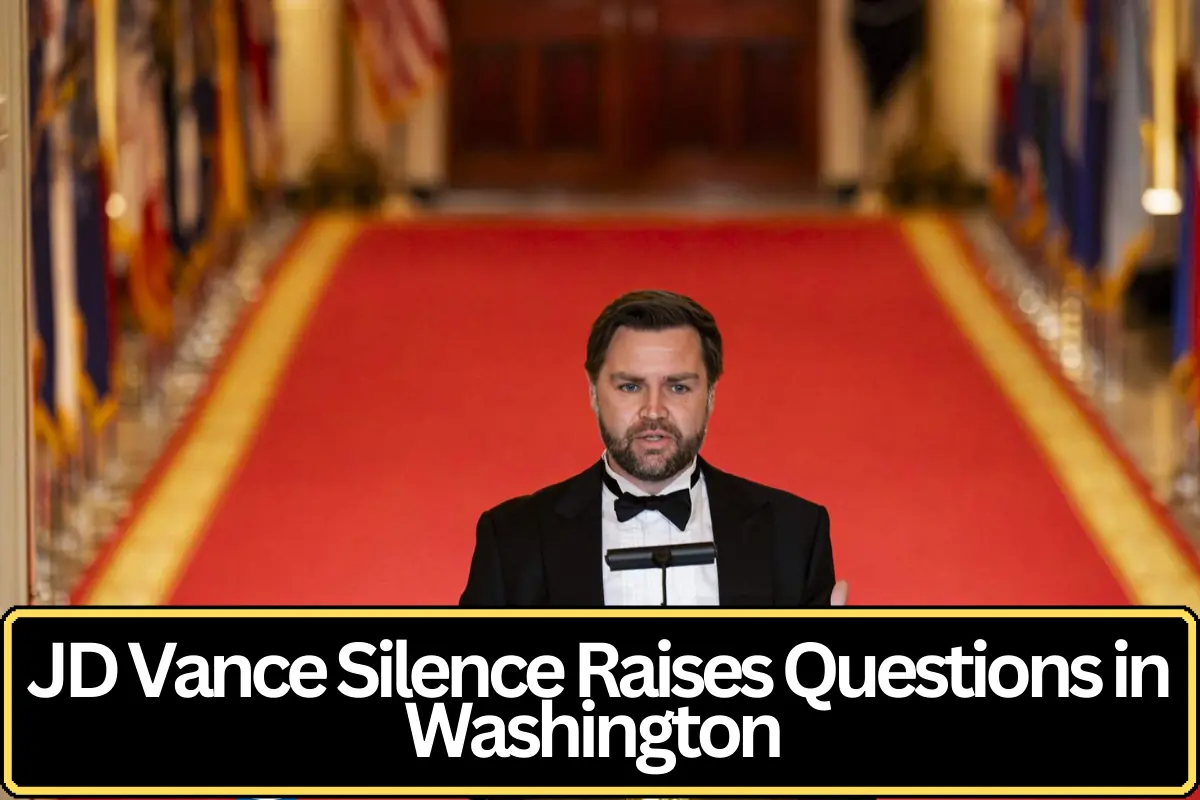
Introduction: A Notable Silence During a Global Crisis
In times of international conflict, the actions and statements of senior government officials are closely watched by the public, media organizations, and political analysts. During moments of military escalation or geopolitical tension, leadership visibility often becomes an important symbol of national unity and confidence. Recently, a surprising development in Washington attracted widespread attention when Vice President JD Vance remained largely silent during the early stages of the escalating conflict involving the United States, Israel, and Iran.
While other senior officials quickly appeared on television networks and issued statements supporting the administration’s strategic decisions, the vice president’s absence from public messaging sparked curiosity and debate. Political observers began asking a simple but significant question: why was the vice president not publicly visible during one of the most serious geopolitical crises of the year?
This unusual situation quickly evolved into a topic of discussion across political circles, media commentary, and online platforms. Although officials later clarified that the vice president was actively involved in internal discussions and national security monitoring, the delay in public communication created speculation about the dynamics within the administration and the broader role of the vice presidency during times of war.
The Escalation of the US–Israel–Iran Conflict
The geopolitical tension that sparked these discussions emerged after a series of military developments in the Middle East involving Israel, Iran, and the United States. The conflict intensified following reports of targeted military operations and retaliatory threats between regional actors. The United States, as a long‑standing ally of Israel and a key player in global security alliances, became increasingly involved in diplomatic and military coordination related to the situation.
As tensions escalated, officials within the US administration began appearing in public to explain the government’s position. Defense and national security leaders spoke about strategic objectives, deterrence policies, and the need to prevent wider regional instability. These appearances were part of a broader effort to communicate the administration’s approach to the crisis and reassure both domestic and international audiences.
During such moments, political communication becomes essential. Government leaders typically address citizens directly through press briefings, interviews, or official statements. These communications help clarify policy decisions and provide transparency regarding national security developments.
However, amid the wave of public statements from cabinet officials and senior advisors, the vice president’s voice was largely absent from the media landscape during the initial phase of the crisis.
Why the Vice President’s Absence Drew Attention
The vice president of the United States traditionally plays a significant role during moments of national emergency. While the president remains the central figure in decision‑making, the vice president often supports communication efforts, engages with lawmakers, and represents the administration in public discussions.
Because of this expectation, the absence of immediate public commentary from the vice president naturally drew attention. Journalists began raising questions about whether the silence reflected internal strategic planning, security considerations, or simply a deliberate communications strategy.
Political analysts also noted that modern vice presidents typically maintain a strong public presence through television appearances, policy briefings, and social media engagement. The sudden pause in that visibility during a major international conflict therefore stood out to many observers.
Media outlets began framing the situation as a “missing vice president” narrative, although no evidence suggested that the vice president had actually been absent from government operations.
The Administration’s Explanation
Officials within the administration later clarified that the vice president had not been inactive during the crisis. According to government sources, he was present in Washington and actively participating in national security briefings related to the conflict.
During periods of military escalation, the president and vice president often follow specific security protocols designed to ensure continuity of government. One common practice is maintaining physical separation between the two leaders to prevent a single security event from affecting both offices simultaneously.
This protocol can sometimes result in the vice president working from secure locations away from public visibility while the president addresses the nation or meets with international partners.
Officials also indicated that internal discussions, intelligence briefings, and coordination with military leadership required significant attention behind closed doors. As a result, public statements may not always reflect the full extent of a leader’s involvement in crisis management.
The Political Context of JD Vance’s Leadership
Another factor contributing to public curiosity involves the vice president’s broader political profile. Over the past several years, he has emerged as a prominent political voice with a strong following among certain segments of the electorate.
Before assuming the vice presidency, he was widely known for his outspoken commentary on domestic policy, economic concerns, and foreign policy debates. His political identity has often emphasized skepticism toward prolonged foreign military engagements and a focus on domestic priorities.
This background led some commentators to wonder whether his earlier views on foreign intervention might influence how he approaches a situation involving potential military escalation in the Middle East.
While there is no evidence that policy disagreements existed within the administration, political commentators often analyze leadership behavior through the lens of past statements and ideological positions. In this case, the vice president’s previous critiques of foreign wars added another layer of intrigue to his temporary public silence.
Media Narratives and Public Perception
The modern media environment amplifies political developments rapidly, particularly during moments of global crisis. News organizations, political analysts, and social media users often search for signals that may reveal deeper political dynamics.
When a prominent leader appears less visible than expected, speculation can quickly emerge. In the case of the vice president’s absence from early public commentary, journalists began discussing several possible explanations.
Some observers suggested that communications strategy may have prioritized other officials who hold direct responsibilities related to military operations or foreign diplomacy. Others argued that the vice president’s role might have focused more heavily on internal coordination rather than external messaging.
Regardless of the reason, the media narrative around the “missing vice president” became a prominent talking point during the early days of the crisis.
The Strategic Role of the Vice Presidency in National Security
Although the vice president does not command military forces or direct foreign policy independently, the position carries significant influence within the national security framework of the United States government.
Vice presidents frequently participate in meetings of the National Security Council, review intelligence briefings, and advise the president on policy decisions. Their perspectives can shape discussions about diplomatic strategy, military readiness, and crisis response.
During emergencies, the vice president may also coordinate with congressional leaders to ensure that legislative authorities or emergency funding measures are addressed promptly. This behind‑the‑scenes work can be essential to maintaining effective government operations.
Because much of this activity occurs in secure environments, the public may not immediately see the full scope of the vice president’s responsibilities during a crisis.
Historical Examples of Vice Presidential Crisis Roles
Throughout modern American history, vice presidents have played varying roles during international conflicts. In some cases, they have served as prominent public communicators supporting presidential decisions. In other situations, their work has been more discreet, focusing on advising the president and coordinating policy discussions within the administration.
For example, vice presidents have historically participated in strategic discussions during wars, terrorism responses, and diplomatic confrontations with foreign governments. Their role often depends on the leadership style of the president and the organizational structure of the administration.
Some administrations encourage vice presidents to take a highly visible public role, while others rely on them primarily for internal consultation and legislative coordination.
This flexibility means that the absence of immediate public statements does not necessarily indicate a lack of involvement.
Political Implications and Future Messaging
As the conflict in the Middle East continues to evolve, the administration is expected to maintain regular communication with both domestic audiences and international partners. Public messaging plays a critical role in shaping diplomatic relationships, reassuring allies, and addressing concerns among citizens.
For the vice president, future public appearances or statements may help clarify his role in the administration’s approach to the crisis. Political observers will likely continue analyzing the administration’s communication strategy as events develop.
In modern politics, leadership visibility during international crises often becomes part of the broader narrative surrounding an administration’s effectiveness and unity.
Conclusion: Silence Does Not Always Mean Absence
The early silence of Vice President JD Vance during the escalating US‑Israel‑Iran conflict generated significant curiosity within political and media circles. However, official explanations suggest that the vice president remained actively involved in national security discussions despite the lack of immediate public statements.
Moments of international crisis highlight the complexity of government operations, where much of the most critical decision‑making takes place behind closed doors. While public communication remains essential for transparency and leadership visibility, it does not always reflect the full extent of internal policy work.
As geopolitical tensions continue to evolve, the role of senior leaders within the administration will remain under close observation. Whether through public messaging or internal strategy discussions, their actions will continue shaping how the United States responds to one of the most sensitive international conflicts of the present moment.