Airstrike on Kabul Hospital in 2026 Raises Global Concerns Over Protection of Medical Facilities in Conflict Zones
A 2026 airstrike on a hospital in Kabul has raised global concerns about the safety of medical facilities and healthcare workers in conflict zones.
 Akanksha jain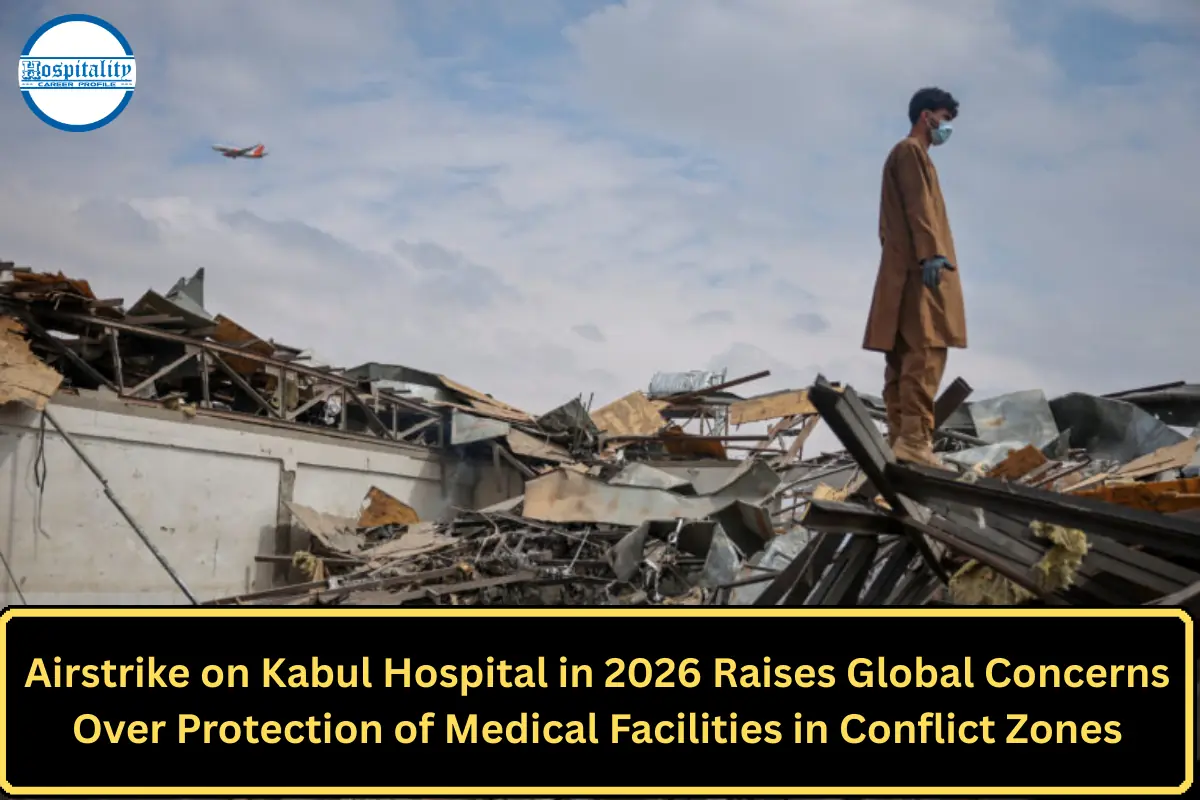
Airstrike on Kabul Hospital in 2026 Raises Global Concerns Over Protection of Medical Facilities in Conflict Zones
An airstrike on a hospital in Kabul in 2026 has triggered widespread international concern over the safety of healthcare facilities in conflict zones, highlighting ongoing risks faced by medical workers and patients in war-affected regions. The incident, which occurred in Afghanistan’s capital, resulted in casualties and damage to critical medical infrastructure, prompting condemnation from global health and humanitarian organizations.
According to reports, the strike hit a functioning hospital in Kabul, where patients and healthcare workers were present at the time. The attack underscores the vulnerability of medical facilities in areas experiencing armed conflict, despite international laws designed to protect them.
Details of the Incident
The airstrike targeted a hospital facility in Kabul, causing significant destruction to parts of the building and disrupting medical services. Casualties were reported among both patients and hospital staff, although exact numbers have varied across sources.
Emergency response efforts were initiated immediately after the strike, with rescue teams working to evacuate the injured and provide urgent care. The damage to infrastructure has affected the hospital’s ability to continue operations, placing additional strain on an already fragile healthcare system.
The incident has raised questions about the circumstances leading to the strike and whether the facility was properly identified as a protected medical site.
Impact on Healthcare Services
The destruction of hospital infrastructure has immediate and long-term consequences for healthcare delivery in Kabul. Medical facilities in conflict zones often operate with limited resources, and the loss of even a single hospital can significantly reduce access to care for local populations.
Patients requiring urgent treatment, including those with injuries, chronic illnesses, and maternal health needs, may face delays or lack of access to services. The disruption also affects ongoing medical programs, including vaccinations and emergency care.
Healthcare workers, already operating under challenging conditions, are further exposed to risks, which can impact their ability to provide care and may lead to workforce shortages.
International Humanitarian Law and Protection of Hospitals
Under international humanitarian law, medical facilities, personnel, and patients are granted special protection during armed conflicts. Attacks on hospitals are considered serious violations unless the facility is being used for military purposes, which must be clearly established.
Humanitarian organizations have reiterated that all parties involved in conflicts must take precautions to avoid targeting healthcare infrastructure. The Kabul incident has renewed calls for stricter adherence to these principles.
Experts note that repeated incidents involving healthcare facilities undermine trust in the safety of medical services and can have far-reaching consequences for civilian populations.
Global Reactions and Condemnation
International organizations and governments have expressed concern over the airstrike, emphasizing the need to protect healthcare systems in conflict zones. Calls for independent investigations into the incident have also emerged, with demands for accountability and transparency.
Humanitarian groups have highlighted the broader pattern of attacks on medical facilities in conflict-affected regions, warning that such incidents are becoming increasingly frequent and pose a significant threat to global health efforts.
Advocates stress that protecting healthcare infrastructure is essential not only for immediate medical needs but also for maintaining long-term public health stability.
Challenges in Conflict Zones
Providing healthcare in conflict zones presents numerous challenges, including limited resources, security risks, and damaged infrastructure. Hospitals often operate under constant threat, with staff facing difficult decisions about continuing services amid safety concerns.
In many cases, medical facilities serve as the primary source of care for large populations, making their protection critical. The loss of such facilities can exacerbate humanitarian crises, leading to increased morbidity and mortality.
Efforts to rebuild and restore services can take considerable time and resources, further complicating recovery in affected areas.
Broader Humanitarian Implications
The Kabul hospital airstrike highlights the intersection of conflict and public health, demonstrating how violence can disrupt essential services and worsen humanitarian conditions. Access to healthcare is a fundamental need, and its disruption can have cascading effects on communities.
In addition to immediate injuries, the destruction of healthcare infrastructure can lead to outbreaks of disease, untreated chronic conditions, and increased maternal and child health risks. Vulnerable populations, including children and the elderly, are often the most affected.
Humanitarian agencies are working to provide emergency support, but ongoing conflict poses challenges to delivering aid effectively.
Calls for Accountability and Prevention
The incident has prompted renewed calls for accountability mechanisms to address violations of international law. Investigations into the circumstances of the strike are expected to play a key role in determining responsibility and preventing future incidents.
Experts emphasize the importance of improving coordination between military and humanitarian actors to ensure that medical facilities are clearly identified and protected. Enhanced monitoring and reporting systems may also help reduce risks.
Preventing attacks on healthcare infrastructure is seen as essential for upholding humanitarian principles and safeguarding civilian lives.
Outlook
The 2026 airstrike on a Kabul hospital serves as a stark reminder of the risks faced by healthcare systems in conflict zones. As investigations continue and global attention remains focused on the issue, the need for stronger protections and adherence to international law is becoming increasingly urgent.
Ensuring the safety of medical facilities will be critical in addressing both immediate healthcare needs and long-term recovery in conflict-affected regions.
The situation remains under scrutiny as stakeholders seek accountability and measures to prevent similar incidents in the future.