Kent Meningitis Outbreak in 2026 Raises Public Health Concerns as Cases Continue to Rise
The 2026 meningitis outbreak in Kent has raised serious public health concerns as cases rise, prompting urgent response measures and increased awareness efforts.
 Akanksha jain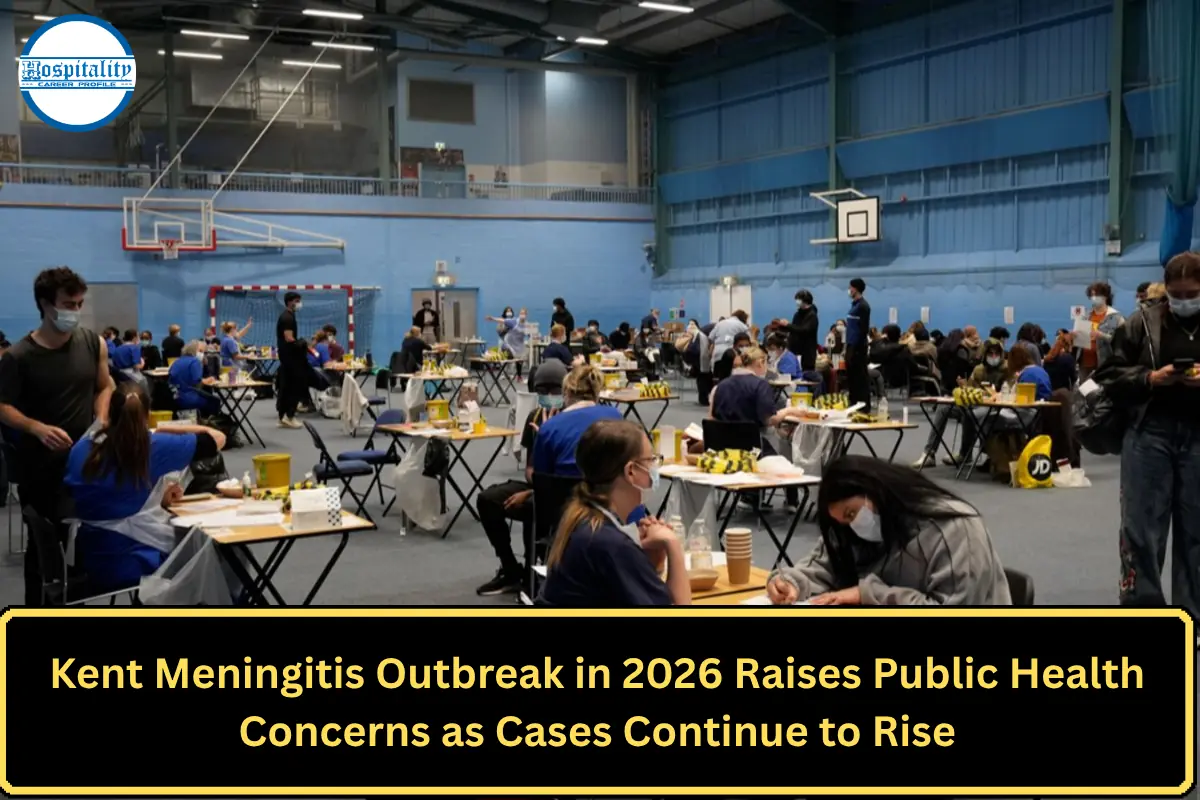
Kent Meningitis Outbreak in 2026 Raises Public Health Concerns as Cases Continue to Rise
The 2026 meningitis outbreak in Kent, United Kingdom, has triggered growing public health concerns as the number of confirmed cases continues to rise, prompting urgent action from health authorities to contain the spread of the potentially life-threatening infection. The outbreak, first identified in early March 2026, has affected multiple individuals, with cases linked to social gatherings and community interactions, raising fears of wider transmission.
Health officials have been working to identify affected individuals, trace contacts, and implement preventive measures to reduce further spread. The situation has drawn national attention, with authorities emphasizing the importance of early detection, vaccination, and public awareness in managing the outbreak.
Rising Cases and Initial Detection
The outbreak was initially detected following reports of several meningitis cases in Kent, with symptoms ranging from fever and headache to more severe neurological complications. As investigations progressed, health authorities confirmed that the cases were connected, indicating a localized outbreak rather than isolated incidents.
Subsequent testing and surveillance efforts revealed additional cases, prompting concerns about a potential cluster linked to specific social settings. The rapid identification of cases has been critical in enabling authorities to respond quickly and implement containment strategies.
Experts note that meningitis can spread through close contact, making densely populated environments and social events particularly vulnerable to transmission.
Public Health Response and Containment Measures
In response to the outbreak, public health agencies have launched comprehensive measures aimed at controlling the spread of the disease. These include contact tracing, targeted antibiotic prophylaxis for close contacts, and increased availability of vaccinations where appropriate.
Authorities have also issued public health advisories urging individuals to be vigilant for symptoms and seek immediate medical attention if they suspect infection. Educational campaigns have been deployed to inform the public about transmission risks and preventive measures.
Healthcare providers across the region have been placed on high alert, with hospitals and clinics prepared to manage potential cases and provide timely treatment.
Understanding Meningitis and Its Risks
Meningitis is an inflammation of the protective membranes covering the brain and spinal cord, often caused by bacterial or viral infections. Bacterial meningitis, in particular, is considered a medical emergency due to its rapid progression and potential severity.
Symptoms can include high fever, neck stiffness, sensitivity to light, confusion, and, in severe cases, seizures or loss of consciousness. Early diagnosis and prompt treatment are essential to improve outcomes and reduce the risk of complications.
Health experts stress that while meningitis can affect individuals of all ages, certain groups, including young adults and those in close-contact environments, may be at higher risk.
Links to Social Gatherings and Community Spread
Investigations into the Kent outbreak have suggested that several cases may be linked to social gatherings, including nightlife venues and group events. Such settings can facilitate close contact among individuals, increasing the likelihood of transmission.
Authorities are focusing on identifying locations and events associated with the outbreak to inform targeted interventions. Individuals who attended these events have been advised to monitor their health closely and follow guidance from health officials.
The role of social behavior in disease spread has been highlighted as a key factor in managing outbreaks, underscoring the need for public cooperation.
Vaccination and Preventive Measures
Vaccination remains one of the most effective tools in preventing meningitis, particularly for certain strains of the bacteria responsible for the disease. Health authorities have encouraged eligible individuals to ensure they are up to date with recommended vaccinations.
In addition to vaccination, preventive measures such as maintaining good hygiene, avoiding close contact with infected individuals, and seeking medical advice when symptoms arise are critical in reducing transmission.
Public health campaigns have been emphasizing these measures as part of broader efforts to control the outbreak.
Impact on Healthcare Services
The outbreak has placed additional pressure on healthcare services in the region, with increased demand for diagnostic testing, treatment, and preventive interventions. Hospitals and clinics have been mobilized to manage the situation effectively.
Healthcare workers are playing a crucial role in identifying cases, providing care, and educating the public. Authorities have also coordinated with local institutions, including universities and community organizations, to ensure a coordinated response.
Despite the challenges, officials report that the healthcare system is currently managing the situation, with contingency plans in place should cases continue to rise.
Public Awareness and Community Engagement
Raising public awareness has been a central component of the response to the outbreak. Authorities have been using various communication channels to disseminate information about symptoms, transmission, and preventive measures.
Community engagement efforts have focused on encouraging individuals to report symptoms promptly and cooperate with contact tracing efforts. Public trust and participation are considered essential for the success of containment strategies.
Educational institutions and workplaces have also been involved in spreading awareness and implementing preventive measures.
Ongoing Monitoring and Investigation
Health authorities continue to monitor the situation closely, conducting ongoing investigations to better understand the outbreak and its dynamics. Surveillance systems have been enhanced to detect new cases quickly and respond accordingly.
Researchers are also analyzing data from the outbreak to identify patterns and risk factors, which could inform future public health strategies. Collaboration between local and national agencies is playing a key role in managing the situation.
Officials emphasize that continued vigilance is necessary to prevent further spread and ensure timely intervention.
Global Context and Preparedness
The Kent meningitis outbreak highlights the ongoing challenges posed by infectious diseases in an interconnected world. Even localized outbreaks can have broader implications, particularly if not contained effectively.
Experts note that strengthening public health infrastructure, improving surveillance systems, and promoting vaccination are critical components of preparedness. Lessons learned from this outbreak may inform future responses to similar incidents.
The situation also underscores the importance of international collaboration in addressing global health threats.
Conclusion
The 2026 meningitis outbreak in Kent continues to be closely monitored by health authorities as efforts to contain the spread intensify, with public awareness, vaccination, and rapid response remaining central to controlling the situation.