Church Opposition to FCRA Bill Sparks Political Row in Kerala
Opposition by church groups to the proposed FCRA amendments has triggered a political controversy in Kerala, with parties clashing over foreign funding and religious rights.
 SANJANA DUTTA
Church Groups Oppose Proposed Changes
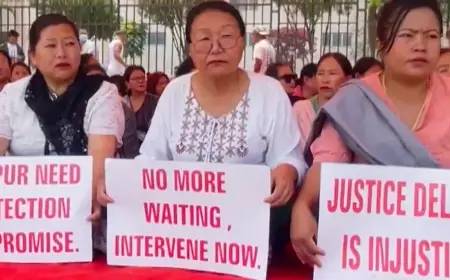
THIRUVANANTHAPURAM, April 2, 2026 — Opposition from church organizations to proposed amendments to the Foreign Contribution (Regulation) Act (FCRA) has triggered a political storm in Kerala, with major parties clashing over the implications for foreign funding, religious institutions, and regulatory oversight.
The controversy erupted after prominent church bodies in the state raised concerns about the potential impact of the proposed changes, arguing that stricter regulations could hinder their ability to receive foreign contributions for social, educational, and charitable activities. The issue has since escalated into a broader political debate, drawing sharp reactions from both the ruling government and opposition parties.
Concerns Over Funding Restrictions
Church leaders have expressed apprehension that the proposed amendments could impose additional bureaucratic hurdles and tighter scrutiny on foreign donations. They argue that many faith-based organizations rely on such funding to run schools, hospitals, and welfare programs, particularly in underserved communities.
According to representatives of several dioceses, the changes could disrupt ongoing projects and affect thousands of beneficiaries who depend on church-run institutions for essential services. They have called for greater clarity on the provisions and urged the government to consult stakeholders before implementing any reforms.
Critics also fear that increased regulatory control could be selectively applied, potentially leading to discrimination against certain organizations or communities.
Political Reactions Intensify
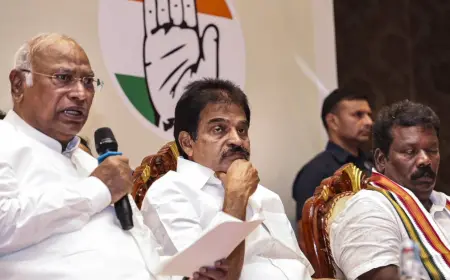
The issue has quickly taken on a political dimension, with opposition parties backing the church’s concerns and accusing the government of undermining minority rights. They have demanded that the proposed amendments be reconsidered and debated more thoroughly.
Opposition leaders have also accused the ruling administration of attempting to centralize control over foreign funding and limit the autonomy of civil society organizations. They argue that such measures could weaken grassroots initiatives and reduce transparency in governance.
In contrast, leaders from the ruling coalition have defended the proposed changes, stating that the amendments are aimed at ensuring accountability and preventing misuse of foreign funds. They maintain that stronger oversight is necessary to safeguard national interests and maintain financial transparency.
Government Defends Regulatory Framework
Government officials have emphasized that the FCRA is a critical tool for monitoring the flow of foreign funds into the country and ensuring that they are used for legitimate purposes. They argue that the proposed amendments are designed to streamline processes, enhance compliance, and prevent potential abuses.
Authorities have also highlighted past instances where foreign contributions were allegedly misused, underscoring the need for stricter enforcement mechanisms. They insist that genuine organizations with transparent operations will not face undue difficulties under the revised framework.
Officials have called on all stakeholders, including religious groups, to engage constructively in the consultation process and provide feedback on the proposed changes.
Broader Debate on Civil Society and Regulation
The controversy has reignited a wider debate about the balance between regulatory oversight and the autonomy of civil society organizations in India. While proponents of stricter laws argue that they are essential for accountability, critics warn that excessive regulation could stifle independent initiatives and limit the role of non-governmental organizations.
Experts note that Kerala, with its strong presence of faith-based institutions and active civil society, is particularly sensitive to such changes. The state has a long history of social development driven in part by organizations that rely on external funding.
Analysts suggest that the outcome of the current debate could have implications beyond Kerala, potentially influencing how similar issues are addressed across the country.
Public Response and Stakeholder Engagement
The issue has sparked widespread public discussion, with community leaders, activists, and citizens weighing in on the potential impact of the proposed amendments. Social media platforms and public forums have seen active debates, reflecting the complexity and sensitivity of the matter.
Some stakeholders have called for greater transparency in the legislative process, emphasizing the need for inclusive dialogue and consultation. Others have urged caution, warning against politicizing the issue in a way that could deepen divisions.
Religious organizations have also indicated their willingness to engage with policymakers to find a balanced solution that addresses both regulatory concerns and operational needs.
Legal and Policy Implications
Legal experts have pointed out that any amendments to the FCRA must be carefully crafted to ensure they are consistent with constitutional protections, including the right to freedom of religion and association. They stress the importance of maintaining a fair and non-discriminatory framework.
There are also questions about how the proposed changes will be implemented and enforced, particularly in terms of compliance requirements and monitoring mechanisms. Clarity on these aspects will be crucial in determining the practical impact of the reforms.
Policymakers are expected to consider feedback from various stakeholders before finalizing the amendments, with the goal of balancing regulatory objectives with the needs of civil society.
Political Stakes in Kerala
The controversy comes at a politically sensitive time in Kerala, where parties are keen to consolidate support among key voter groups. The stance taken by different political actors on the issue could influence public perception and electoral dynamics.
Observers note that the involvement of influential church groups adds another layer of complexity, given their significant social and cultural role in the state. Political parties are likely to tread carefully as they navigate the issue.
The debate is expected to remain a focal point in Kerala’s political discourse in the coming weeks, with potential implications for both state and national politics.
Conclusion
The opposition by church groups to the proposed FCRA amendments has evolved into a major political controversy in Kerala, highlighting tensions between regulatory oversight and institutional autonomy.
Current Status
The proposed amendments remain under discussion, with political debates and stakeholder consultations ongoing as authorities consider the next steps.