Kerala Elections Emerge as High-Stakes Battle with Potential to Reshape State’s Political Future
Kerala’s upcoming elections are shaping into a high-stakes political battle that could redefine the state’s political landscape, with major parties vying for dominance.
 SANJANA DUTTA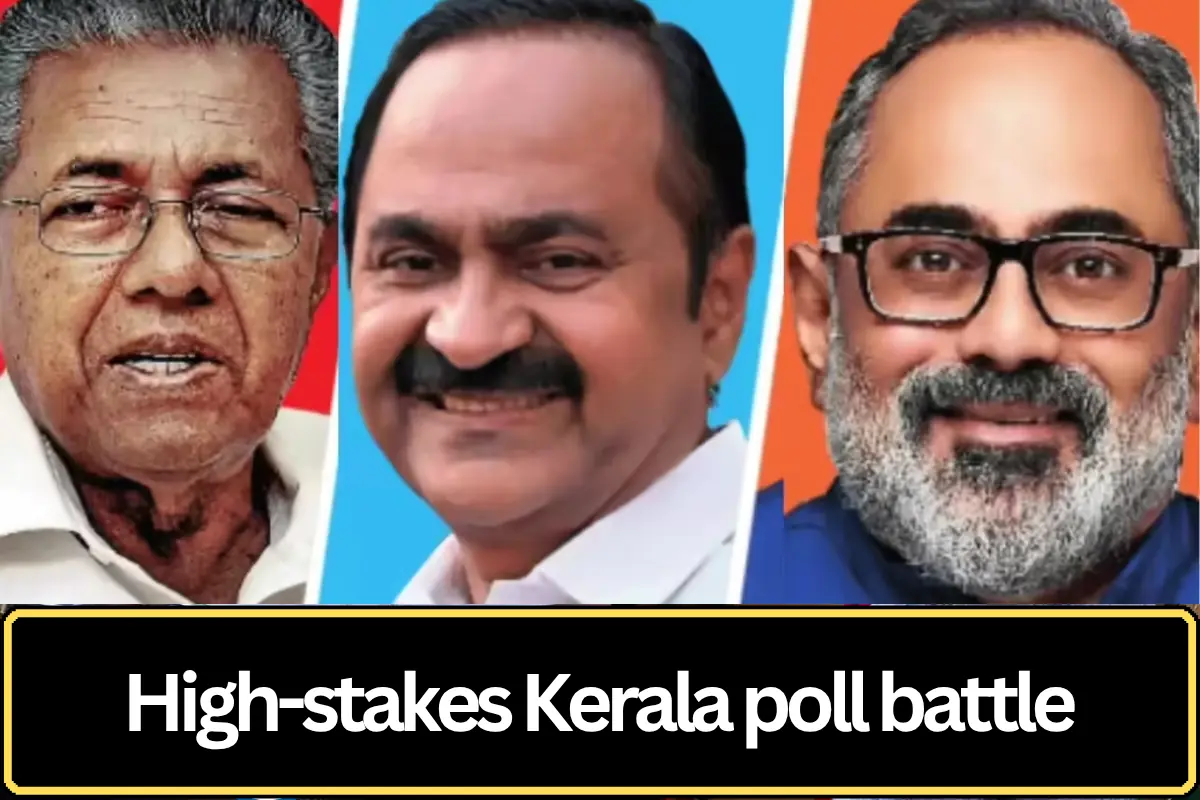
Kerala Polls Set Stage for Crucial Political Showdown
Kerala’s upcoming elections have turned into a high-stakes political contest that could significantly reshape the state’s political future, with major parties intensifying their campaigns across the southern state. The elections, expected to take place in 2026, have drawn national attention as the ruling Left Democratic Front (LDF), the opposition United Democratic Front (UDF), and the Bharatiya Janata Party (BJP) prepare for a fierce battle to secure voter support.
The outcome is being closely watched as it may redefine political alignments, influence governance priorities, and determine whether Kerala continues its traditional two-front dominance or witnesses a shift in its electoral dynamics.
Three-Way Contest Gains Momentum
Kerala has historically been dominated by alternating governments led by the LDF and UDF. However, recent political developments suggest a more competitive contest, with the BJP attempting to expand its footprint in the state.
The LDF, currently in power, is campaigning on its governance record, highlighting achievements in welfare programs, public health, and infrastructure development. It aims to retain voter confidence by emphasizing continuity and stability.
On the other hand, the UDF is seeking to capitalize on anti-incumbency sentiments, focusing on issues such as unemployment, economic challenges, and governance concerns. The alliance is working to consolidate its traditional voter base while reaching out to new segments.
The BJP, though historically a minor player in Kerala politics, is intensifying efforts to emerge as a significant force. The party is focusing on grassroots mobilization and targeting specific constituencies to increase its electoral presence.
Key Issues Driving the Campaign
Several critical issues are shaping the electoral discourse in Kerala. Economic concerns, including job creation and inflation, are at the forefront of voter priorities. The state’s reliance on remittances and the impact of global economic trends are also influencing public sentiment.
Healthcare and education, long considered strengths of Kerala’s development model, remain central to the campaign narratives. Parties are highlighting their contributions and proposing new initiatives to strengthen these sectors further.
Additionally, environmental challenges, including climate-related risks such as floods and coastal erosion, have become significant topics in the campaign. Candidates are being pressed to present clear strategies for sustainable development and disaster management.
Voter Dynamics and Demographic Factors
Kerala’s diverse demographic composition plays a crucial role in shaping electoral outcomes. Religious and community-based voting patterns have historically influenced results, with parties carefully crafting strategies to appeal to various groups.
Younger voters are emerging as a key demographic, with issues such as employment opportunities, digital infrastructure, and social mobility gaining prominence. Political parties are increasingly leveraging social media and digital campaigns to engage this segment.
Women voters, who have shown strong participation in previous elections, are also expected to play a decisive role. Welfare schemes and social security measures targeted at women are likely to be major campaign highlights.
Campaign Strategies Intensify
As the election approaches, campaign activities have intensified across the state. Political leaders are conducting rallies, roadshows, and grassroots outreach programs to connect with voters.
Digital campaigning has become a key component of election strategies, with parties using online platforms to disseminate messages and counter opponents’ narratives. The role of data analytics and targeted messaging is becoming increasingly significant in shaping campaign approaches.
Coalition dynamics are also playing a crucial role, with alliances seeking to maximize their strengths and address internal challenges. Seat-sharing arrangements and candidate selection are being closely watched as indicators of each alliance’s strategy.
National Implications of the Polls
The Kerala elections are not only significant for the state but also carry broader national implications. A strong performance by the BJP could signal its growing influence in southern India, while a victory for the LDF or UDF would reinforce existing political patterns.
The results may also impact national political narratives, particularly in the context of upcoming elections in other states. Parties are likely to interpret the outcome as a reflection of public sentiment on governance and policy issues.
Political analysts note that Kerala’s electorate, known for its high levels of political awareness and participation, often sets trends that resonate beyond the state.
Challenges Facing Political Parties
Each of the major political players faces distinct challenges in the upcoming elections. The LDF must address concerns related to governance and sustain its support base amid anti-incumbency pressures.
The UDF, meanwhile, needs to present a cohesive alternative and overcome internal differences to effectively challenge the ruling alliance. Building a compelling narrative that resonates with voters will be crucial for its prospects.
The BJP’s challenge lies in translating its growing presence into electoral gains. While the party has made inroads in certain areas, it must overcome structural barriers and expand its appeal across the state.
Election Management and Preparedness
Authorities are preparing to ensure smooth conduct of the elections, with a focus on maintaining transparency and fairness. Measures are being implemented to enhance voter participation and ensure compliance with electoral regulations.
The use of technology in election management, including electronic voting systems and monitoring mechanisms, is expected to play a significant role in the process. Security arrangements are also being strengthened to prevent disruptions.
Voter awareness campaigns are being conducted to encourage participation and inform citizens about the importance of exercising their franchise.
Outlook for Kerala’s Political Landscape
The upcoming elections are poised to be a defining moment for Kerala’s political landscape. The results could either reinforce the traditional two-front system or signal the emergence of a more competitive multi-party environment.
As campaigning intensifies, the focus remains on how effectively each party can connect with voters and address their concerns. The evolving dynamics of the contest are expected to shape the state’s governance trajectory in the years ahead.
With high voter engagement anticipated, the elections are set to be closely contested, reflecting the vibrant democratic process in Kerala.
Conclusion
Kerala’s high-stakes elections underscore the evolving nature of its political landscape and the critical choices facing voters.
Current Status
Campaigning is underway across Kerala as political parties intensify efforts ahead of the upcoming elections, with the outcome expected to have significant implications for the state’s future.