Khowang Emerges as Key Battleground in Assam Elections Amid Focus on Tea Belt Politics
Khowang constituency in Assam has become a crucial battleground in the 2026 Assembly elections, with political parties focusing on tea garden workers and regional development issues.
 SANJANA DUTTA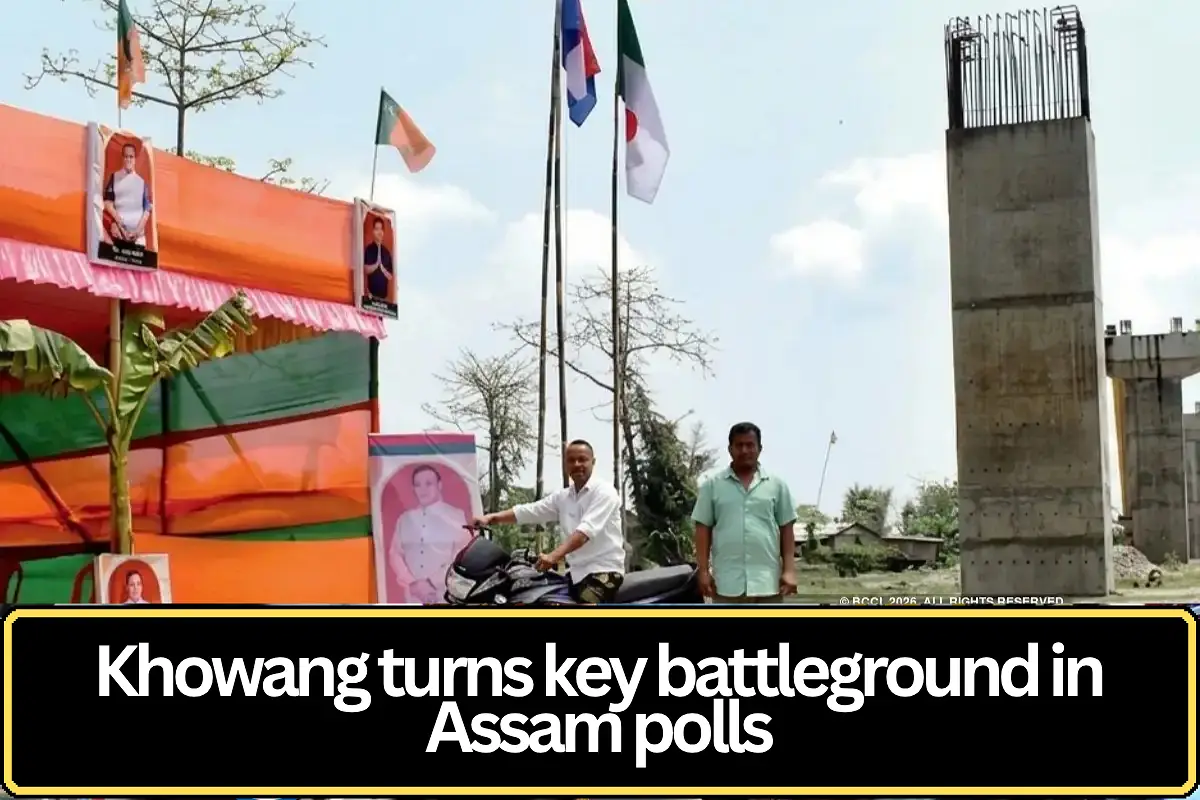
Khowang Emerges as Key Battleground in Assam Elections Amid Focus on Tea Belt Politics
GUWAHATI, April 5, 2026 — The Khowang constituency in Upper Assam has emerged as a crucial battleground in the 2026 Assembly elections, with major political parties intensifying their campaigns in the region known for its vast tea plantations and significant population of tea garden workers.
The constituency, located in Dibrugarh district, is witnessing a closely contested electoral race as parties seek to consolidate support among diverse voter groups. With polling approaching, candidates are focusing on employment, wages, welfare schemes, and infrastructure development, particularly targeting the concerns of tea estate communities that form a substantial portion of the electorate.
Tea Garden Workers at the Center of Campaigns
Tea garden workers have become a decisive factor in Khowang’s electoral dynamics, with political parties tailoring their messages to address long-standing issues such as low wages, healthcare access, housing, and education. These workers, who play a vital role in Assam’s tea industry, have historically influenced election outcomes in several constituencies across Upper Assam.
Campaign promises have included proposals to improve daily wages, expand social welfare benefits, and enhance working conditions in tea estates. Political leaders have been holding rallies and outreach programs within plantation areas to directly engage with workers and their families.
Analysts note that the voting patterns of tea garden communities could significantly impact the final result, making them a focal point for all major contenders in the race.
Development and Infrastructure Key Issues
Beyond the tea sector, broader development concerns are shaping the electoral narrative in Khowang. Residents have raised issues related to road connectivity, flood management, healthcare facilities, and access to quality education.
Candidates are emphasizing their plans to address these challenges, presenting development-focused agendas aimed at improving living standards. Infrastructure projects, including road upgrades and public service expansion, have been prominently featured in campaign speeches.
Local voters have expressed a desire for tangible progress, with many indicating that their support will depend on the credibility and track record of candidates in delivering on promises.
Multi-Cornered Contest Intensifies
The election in Khowang is shaping up to be a multi-cornered contest, with candidates from major national and regional parties competing alongside independents. The presence of multiple contenders has added complexity to the race, potentially splitting votes and making the outcome less predictable.
Political observers suggest that alliances, candidate profiles, and grassroots mobilization efforts will play a critical role in determining the final result. Door-to-door campaigning and local-level engagement have become key strategies for candidates seeking to build support.
The competitive environment has also led to heightened political activity, with rallies, public meetings, and outreach campaigns taking place across the constituency.
Historical Significance of the Constituency
Khowang has a history of closely fought elections, often reflecting broader political trends in Upper Assam. The constituency’s demographic composition, including tea garden workers, indigenous communities, and small business owners, contributes to its dynamic political landscape.
Past election results have demonstrated shifting voter preferences, with different parties gaining and losing ground over time. This volatility has made Khowang a constituency to watch in every election cycle.
Experts believe that the current contest could once again serve as an indicator of broader political currents in the region, particularly in tea belt areas where economic and social issues intersect with electoral politics.
Role of Youth and First-Time Voters
Youth and first-time voters are expected to play an important role in this election, bringing new perspectives and priorities to the political discourse. Issues such as employment opportunities, skill development, and access to digital infrastructure are resonating strongly with younger voters.
Political parties have been leveraging social media and digital platforms to reach this demographic, alongside traditional campaign methods. Youth engagement initiatives, including public interactions and policy discussions, have been organized to connect with this segment of the electorate.
Observers note that the participation of young voters could influence the outcome, particularly in a closely contested seat like Khowang.
Economic Context and Local Challenges
The economic backdrop of the region is also shaping voter sentiment. The tea industry, while a major source of employment, faces challenges related to global market fluctuations, production costs, and labor conditions. These factors have direct implications for the livelihoods of workers and their families.
Additionally, recurring issues such as seasonal flooding and limited industrial diversification have contributed to economic uncertainty. Addressing these challenges remains a key expectation among voters, who are seeking sustainable solutions.
Candidates have been outlining their economic visions, including measures to strengthen the tea sector, promote alternative industries, and improve resilience against environmental challenges.
Campaign Strategies and Political Messaging
Campaign strategies in Khowang have combined traditional grassroots outreach with modern communication techniques. Leaders are focusing on localized messaging, highlighting constituency-specific issues rather than relying solely on broader state or national narratives.
Public meetings, community interactions, and targeted campaigns in tea estates and rural areas have been central to these efforts. At the same time, digital campaigns are being used to amplify messages and engage with a wider audience.
The effectiveness of these strategies will be tested on polling day, as parties seek to convert outreach efforts into votes.
Security and Election Preparedness
Authorities have been making preparations to ensure a smooth and peaceful electoral process in the constituency. Measures include deployment of security personnel, monitoring of sensitive areas, and arrangements for polling stations.
Election officials have emphasized the importance of maintaining transparency and fairness, encouraging voters to participate actively in the democratic process. Awareness campaigns have also been conducted to inform voters about their rights and responsibilities.
Ensuring a free and fair election remains a priority, particularly in a constituency where competition is intense.
Outlook for the Election
As the election date approaches, Khowang continues to draw attention as one of the key constituencies in Assam. The outcome is expected to have implications not only for local representation but also for the broader political landscape in Upper Assam.
The focus on tea garden workers, development issues, and youth engagement reflects the evolving priorities of voters in the region. Political parties are making their final push to secure support, with the race remaining closely contested.
With multiple factors at play, including economic concerns, demographic dynamics, and campaign effectiveness, the result in Khowang is likely to be determined by a combination of local and broader political influences.
Conclusion
Khowang’s prominence in the 2026 Assam Assembly elections underscores the significance of tea belt constituencies in shaping electoral outcomes and highlights the complex interplay of economic and social factors in regional politics.
Current Status
Campaigning is ongoing, with political parties intensifying efforts ahead of polling in what is expected to be a closely fought contest.