Rs 35,000 a Day for Cheetah Meals? Political Storm Erupts Over Kuno Park Spending
A political controversy has erupted over reported spending of Rs 35,000 per day on cheetah meals at Kuno National Park, sparking debate on wildlife conservation costs and public funds.
 SANJANA DUTTA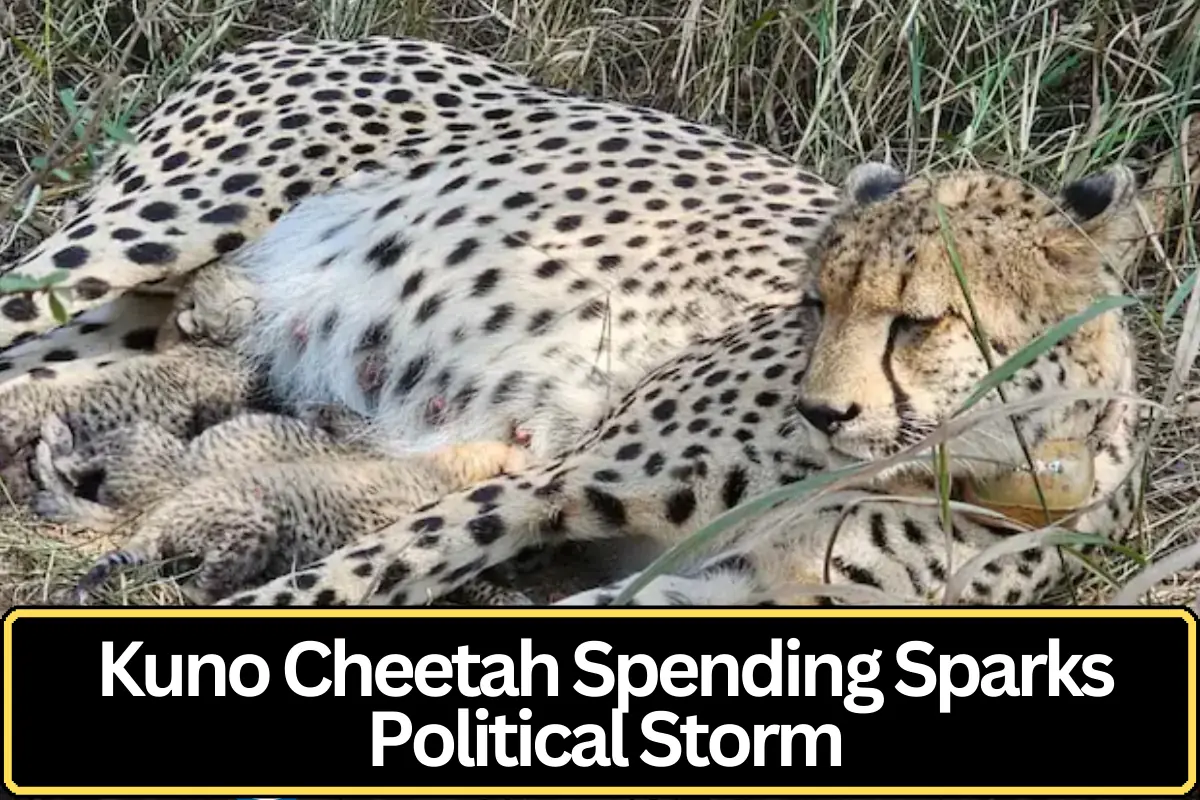
Controversy Over Cheetah Feeding Costs at Kuno National Park
A fresh political controversy has surfaced over reported expenditure of Rs 35,000 per day on meals for cheetahs at Kuno National Park. The issue has triggered sharp exchanges between political leaders, with questions raised about transparency and prioritisation of public funds.
What Sparked the Debate?
Reports indicating the daily feeding cost for cheetahs under Project Cheetah quickly gained traction, leading to criticism from opposition parties. They have sought clarification on how the figures were calculated and whether the spending aligns with approved conservation budgets.
The matter has become a flashpoint in broader debates about government spending and wildlife conservation policies.
Government’s Position
Officials associated with the conservation initiative have defended the expenditure, stating that the costs include procurement of appropriate prey, veterinary supervision, habitat management, and logistical support necessary for maintaining the health of the animals.
Supporters argue that conservation projects involving translocated species require substantial initial investment to ensure survival and ecological balance.
About Project Cheetah
Project Cheetah was launched to reintroduce cheetahs into India after their extinction in the wild decades ago. Kuno National Park in Madhya Pradesh was selected as the primary site for the initiative due to its habitat suitability and prey base.
The project has drawn both praise for its conservation ambition and scrutiny over financial and ecological aspects.
Political Reactions Intensify
Opposition leaders have questioned whether such expenditure is justified amid competing developmental priorities. Some have demanded a detailed breakdown of costs and greater public disclosure.
Meanwhile, proponents of wildlife conservation emphasize that restoring endangered species carries long-term ecological and tourism benefits, potentially offsetting initial costs.
Balancing Conservation and Public Accountability
The controversy highlights the delicate balance between environmental stewardship and fiscal responsibility. Large-scale conservation initiatives often involve significant funding, requiring transparent communication to maintain public confidence.
Experts note that sustained dialogue and data-driven assessments are essential to evaluate the success and cost-effectiveness of such programs.
Conclusion
The debate over reported daily feeding costs at Kuno National Park has evolved into a broader political discussion on conservation funding and public accountability. As scrutiny continues, officials are expected to provide further clarification on expenditure details and long-term project goals.
The outcome of the discussion may influence future wildlife policy and budgetary transparency in conservation initiatives.