Ladli Behna Scheme Freeze Sparks Political Showdown in Madhya Pradesh Assembly
The freeze on the Ladli Behna scheme has triggered intense debate in the Madhya Pradesh Assembly, with ruling and opposition parties clashing over funding, governance and beneficiary impact.
 SANJANA DUTTA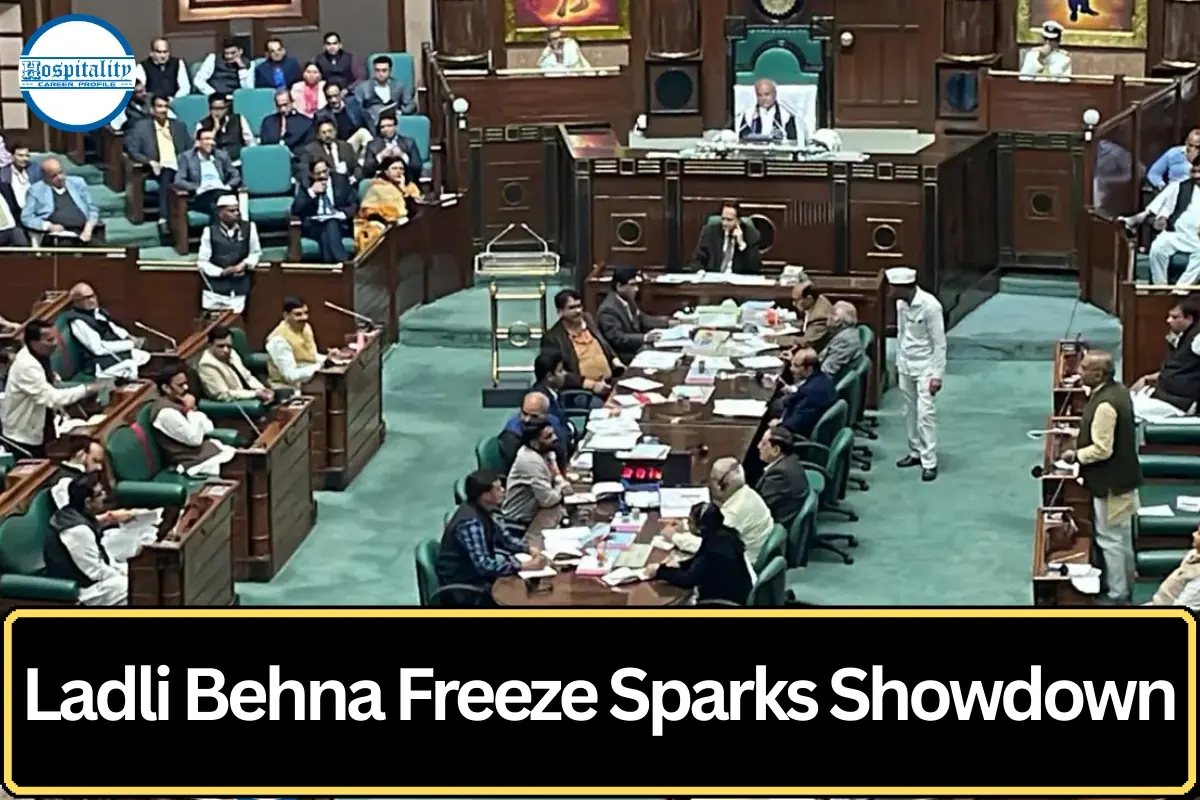
Ladli Behna Scheme Freeze Dominates Madhya Pradesh Assembly Proceedings
The reported freeze on the Ladli Behna welfare scheme has ignited a sharp political confrontation in the Madhya Pradesh Assembly, with ruling and opposition members engaging in heated exchanges over the future of the program. The issue quickly emerged as a central point of debate during recent legislative proceedings, reflecting broader tensions surrounding welfare governance and fiscal management in the state.
The Ladli Behna scheme, introduced as a direct benefit transfer initiative aimed at providing financial assistance to eligible women beneficiaries, has played a significant role in the state’s welfare framework. The decision to freeze or temporarily halt certain aspects of the scheme has prompted strong reactions from political parties, who differ sharply on the rationale and implications of the move.
Background of the Ladli Behna Scheme
The Ladli Behna scheme was designed to provide monthly financial support to women from economically weaker sections, with the objective of strengthening household stability and enhancing women’s financial autonomy. Since its rollout, the scheme has covered a substantial number of beneficiaries across urban and rural districts of Madhya Pradesh.
Government officials have previously described the initiative as a cornerstone of the state’s social welfare agenda. The program was positioned as a targeted measure to alleviate financial stress among low-income households, particularly women who are primary caregivers or contributors to family income.
With regular disbursements made directly into beneficiaries’ bank accounts, the scheme gained considerable visibility and political attention. Its continuation, expansion, and funding allocations have frequently been subjects of legislative and public debate.
Assembly Debate Intensifies
The reported freeze of the scheme triggered immediate uproar in the Assembly, as opposition members questioned the government’s decision and sought clarification regarding its duration and scope. Lawmakers demanded explanations about whether the freeze applied to new registrations, existing beneficiaries, or payment cycles.
Opposition leaders argued that any interruption in payments could adversely affect economically vulnerable families who depend on the scheme for essential expenses. They contended that the welfare measure should not be subject to abrupt policy shifts without transparent communication and legislative oversight.
Ruling party representatives, meanwhile, maintained that the decision was administrative in nature and linked to verification procedures or fiscal review mechanisms. They asserted that the government remained committed to women’s welfare and that no permanent rollback had been announced.
Procedural Disruptions in the House
The exchanges between members led to temporary disruptions in proceedings, with legislators raising slogans and pressing for immediate statements from senior ministers. The Speaker intervened to restore order and allow structured debate on the matter.
Several members called for a detailed statement outlining the financial position of the scheme, beneficiary numbers, and projected budgetary allocations. The demand for clarity underscored the political sensitivity surrounding welfare initiatives, especially those with large voter bases.
Government’s Position on the Freeze
Government officials indicated that the freeze was part of a review process aimed at ensuring eligibility compliance and financial sustainability. According to statements made in the Assembly, verification drives were being conducted to prevent duplication, ineligible claims, and administrative irregularities.
Authorities emphasized that periodic audits and verification exercises are standard practice in large-scale welfare programs. They suggested that the temporary pause was necessary to strengthen accountability mechanisms and optimize resource allocation.
Ministers also highlighted the state’s broader commitment to social welfare spending, noting that multiple schemes targeting women, farmers, and youth continue to receive budgetary support. They rejected allegations that the freeze signaled a reduction in welfare priorities.
Financial Considerations and Budgetary Pressures
Budgetary management emerged as a key dimension of the debate. Opposition lawmakers questioned whether fiscal constraints had influenced the decision to freeze the scheme. They pointed to rising expenditure obligations and competing development priorities within the state budget.
In response, government representatives reiterated that financial prudence does not equate to policy withdrawal. They stated that resource optimization is essential to ensure the long-term viability of welfare programs.
Opposition’s Criticism and Political Messaging
Opposition parties characterized the freeze as indicative of administrative inconsistency and inadequate planning. They argued that welfare commitments must be safeguarded, particularly when they form part of electoral assurances and policy platforms.
Several opposition leaders alleged that the decision had created uncertainty among beneficiaries, especially in rural areas where the scheme has widespread participation. They demanded a timeline for the resumption of regular payments and called for written assurances within the Assembly record.
Political analysts observe that welfare schemes often become focal points of contestation in state legislatures, given their direct impact on voter constituencies. The Ladli Behna scheme’s prominence has amplified its political significance.
Impact on Beneficiaries
The uncertainty surrounding the freeze has reportedly generated concern among beneficiaries awaiting disbursements. Women enrolled in the scheme rely on the monthly assistance for household expenditures, education costs, healthcare expenses, and small-scale entrepreneurial activities.
While officials have stated that legitimate beneficiaries will not lose entitlements permanently, the pause has prompted calls for clear communication to avoid misinformation. Local administrative offices have reportedly received inquiries from residents seeking confirmation about payment schedules.
Administrative Clarifications
District authorities have begun issuing clarifications regarding verification processes and documentation requirements. Officials have encouraged beneficiaries to update records and ensure compliance with eligibility criteria to facilitate continued participation.
Such administrative measures are intended to streamline beneficiary databases and minimize discrepancies. However, the political context of the freeze has heightened scrutiny over procedural transparency.
Broader Political Context
The Assembly confrontation occurs amid a politically charged atmosphere in Madhya Pradesh, where welfare initiatives frequently feature in campaign narratives and policy debates. The Ladli Behna scheme, given its scale and outreach, occupies a central position in the state’s political discourse.
Observers suggest that the handling of the freeze may influence public perception of governance effectiveness. Clear communication and timely resolution are likely to shape how both ruling and opposition parties frame the issue in future engagements.
The debate also reflects a wider national conversation about balancing fiscal discipline with expansive welfare commitments. State governments across India face similar challenges in sustaining large-scale benefit programs while managing budgetary constraints.
Legislative Oversight and Accountability
Members across party lines have underscored the importance of legislative oversight in welfare administration. Calls for detailed disclosures, expenditure statements, and audit reports highlight the role of the Assembly in scrutinizing executive decisions.
Transparency in fund allocation, beneficiary selection, and payment timelines remains central to maintaining public trust. Lawmakers have indicated that further discussions may be scheduled to review the status of the scheme comprehensively.
Possible Next Steps
The government is expected to provide additional clarification in subsequent Assembly sessions, potentially outlining timelines for completion of verification processes. Policy adjustments, if any, may be communicated through official notifications and departmental circulars.
Opposition members have indicated that they will continue to raise the issue until formal assurances are placed on record. The political momentum surrounding the debate suggests that it will remain a prominent topic in state politics.
Conclusion
The freeze on the Ladli Behna scheme has triggered a significant political showdown in the Madhya Pradesh Assembly, reflecting the high stakes associated with welfare governance. While the government frames the move as an administrative review, opposition parties interpret it as a matter of accountability and beneficiary protection.
As proceedings continue and clarifications emerge, the resolution of the issue will likely shape the broader narrative around social welfare commitments in the state. The coming weeks are expected to determine whether the scheme resumes without interruption or undergoes structural adjustments following the review process.