Two LPG Tankers Head to India Through Strait of Hormuz as Supply Concerns Rise
Two liquefied petroleum gas tankers are sailing toward India through the Strait of Hormuz as authorities monitor potential supply shortages and shipping disruptions affecting the country’s cooking gas supply chain.
 SANJANA DUTTA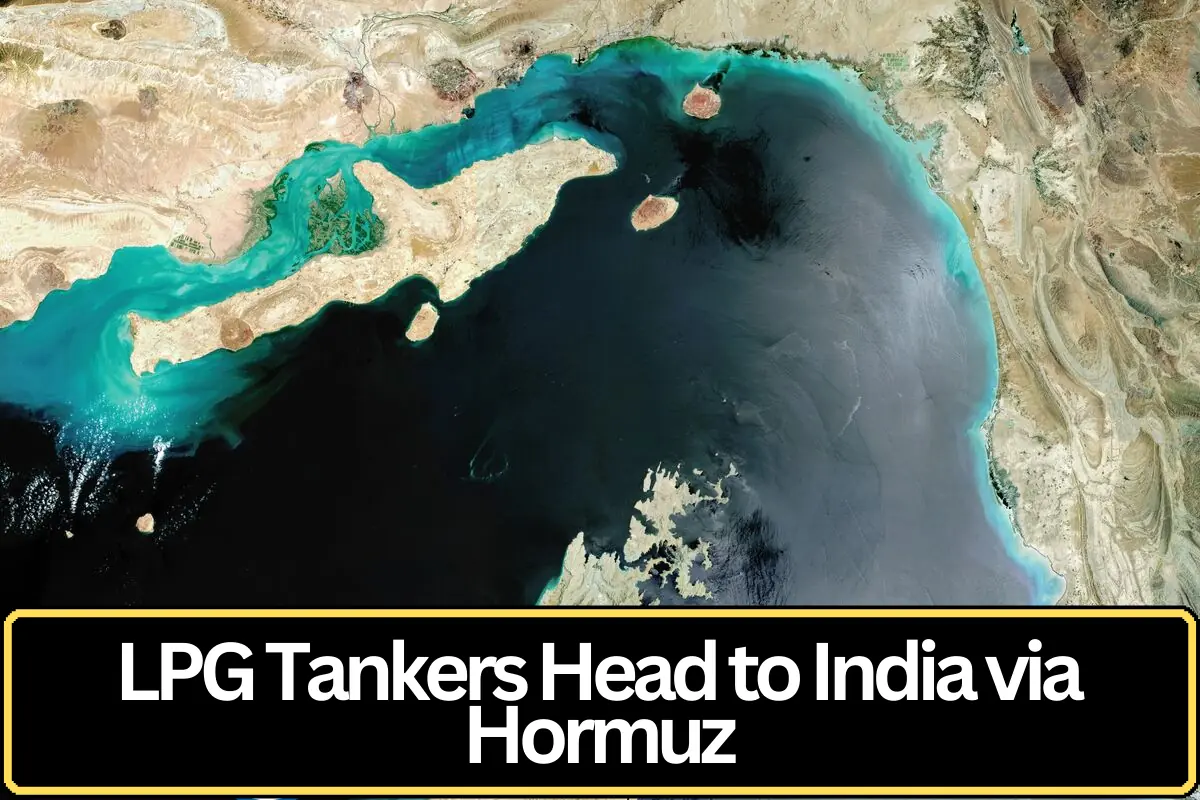
LPG Tankers Navigate Strait of Hormuz as India Faces Supply Pressure
Two liquefied petroleum gas (LPG) tankers are currently sailing toward India through the Strait of Hormuz as authorities and energy companies monitor potential supply disruptions affecting the country’s cooking gas supply chain. The vessels departed from export terminals in the Gulf region and are expected to deliver LPG cargo to India amid rising demand and concerns over possible shortages. The shipments come at a time when geopolitical tensions and shipping risks in the Persian Gulf have raised uncertainty around energy transport routes that are vital to India’s fuel imports.
India relies heavily on imported LPG to meet the cooking fuel needs of millions of households across the country. The arrival of the two tankers is being closely watched by energy officials and market observers, as supply constraints and logistical challenges have raised concerns about the stability of LPG deliveries in the near term.
Critical Role of LPG in India’s Household Energy Supply
LPG is one of the most widely used household fuels in India, primarily serving as cooking gas for millions of families. Over the past decade, government programs aimed at expanding access to clean cooking fuel have significantly increased LPG consumption across urban and rural areas.
Millions of households that previously relied on traditional fuels such as firewood, coal, or biomass have shifted to LPG cylinders through government-supported distribution schemes. This transition has contributed to improvements in indoor air quality and public health while also increasing demand for LPG supply nationwide.
As consumption has grown, India’s dependence on imported LPG has also expanded. Domestic production is not sufficient to meet the country’s total demand, making international shipments a critical component of the supply chain.
Strategic Importance of the Strait of Hormuz
The two LPG tankers currently en route to India are traveling through the Strait of Hormuz, one of the world’s most important maritime chokepoints for energy transport. The narrow waterway connects the Persian Gulf to the Arabian Sea and serves as a major shipping route for oil, liquefied natural gas, and LPG exports from Gulf producers.
A large portion of global energy shipments passes through this strait each day, making it a strategically sensitive location. Any disruption to navigation in the region can have immediate consequences for energy-importing countries that depend on shipments from Middle Eastern suppliers.
For India, which imports significant volumes of LPG from Gulf exporters, the uninterrupted flow of vessels through this route is essential for maintaining stable energy supplies.
Supply Concerns Prompt Close Monitoring
The movement of the two tankers has drawn attention because India has recently faced concerns about potential LPG shortages. Energy market fluctuations, logistical delays, and regional security developments have created uncertainty around supply schedules.
Authorities and energy companies often track shipments closely during periods of supply stress to ensure that deliveries reach import terminals on time. Delays in tanker arrivals can create pressure on storage facilities and distribution networks responsible for filling and delivering cylinders to consumers.
The arrival of additional shipments can help stabilize supply levels, particularly during periods when demand remains high or when earlier deliveries have been delayed.
India’s LPG Import Network
India imports LPG from several major exporting regions, including countries in the Middle East and other global energy producers. Tanker shipments transport the fuel to Indian ports, where it is offloaded into large storage facilities before being distributed to bottling plants across the country.
At these facilities, the LPG is filled into cylinders that are later transported through an extensive distribution network reaching urban centers, towns, and rural communities. The system requires coordination between import terminals, logistics operators, and local distributors to ensure continuous supply.
Any disruption in tanker arrivals can affect this chain of operations, particularly if inventories at storage terminals begin to decline.
Impact of Geopolitical Tensions on Energy Transport
Energy shipping routes in the Persian Gulf are often affected by geopolitical tensions and security concerns. Military developments, regional conflicts, and diplomatic disputes can influence shipping activity and insurance costs for vessels traveling through the area.
During periods of heightened tensions, energy companies and shipping operators may adopt additional precautions to ensure safe navigation through strategic waterways. Such measures can sometimes affect shipping schedules and delivery timelines.
The Strait of Hormuz has historically been viewed as one of the most sensitive points in global energy transportation due to the volume of oil and gas shipments passing through it.
Global Energy Markets and Shipping Logistics
Developments affecting LPG shipments can also influence global energy markets. Supply disruptions or shipping delays may affect pricing trends and availability in importing countries.
Energy analysts frequently monitor tanker movements and cargo deliveries to assess market conditions. Even a small number of delayed shipments can create temporary imbalances in supply, particularly in countries with rapidly growing demand.
In India’s case, the country’s large population and widespread reliance on LPG for cooking mean that supply stability is a priority for both government authorities and energy companies.
Domestic Distribution and Consumer Impact
Once LPG shipments arrive at Indian ports, the fuel enters a domestic distribution network designed to supply cylinders to households and businesses. The system includes large storage depots, bottling plants, transportation fleets, and local distribution agencies.
Consumers typically receive LPG through refillable cylinders delivered by authorized distributors. Maintaining adequate supplies at bottling plants is therefore essential to ensure that households can obtain refills without delay.
Authorities often maintain strategic inventories and coordinate with suppliers to manage fluctuations in demand and ensure uninterrupted access to cooking fuel.
Efforts to Strengthen Energy Security
India has been working to strengthen the resilience of its energy supply chains through a combination of infrastructure investments, diversified import sources, and expanded storage capacity. Increasing the number of import terminals and enhancing port infrastructure are among the measures designed to improve supply reliability.
Energy planners also emphasize the importance of maintaining stable shipping routes and secure maritime transport corridors. Cooperation with international shipping partners and monitoring of global supply chains play an important role in maintaining uninterrupted deliveries.
As LPG demand continues to grow, ensuring the stability of both import logistics and domestic distribution remains a central priority for policymakers and industry stakeholders.
Current Situation
The two LPG tankers currently traveling through the Strait of Hormuz are expected to deliver cargo to India in the coming days, providing additional supplies as authorities continue to monitor demand levels and shipping conditions affecting the country’s cooking gas supply network.