Lupin Secures US FDA Tentative Approval for Pitolisant Tablets for Sleep Disorder Treatment
Lupin has received tentative approval from the US FDA for pitolisant tablets, expanding its portfolio in treatments for sleep disorders such as narcolepsy.
 Akanksha jain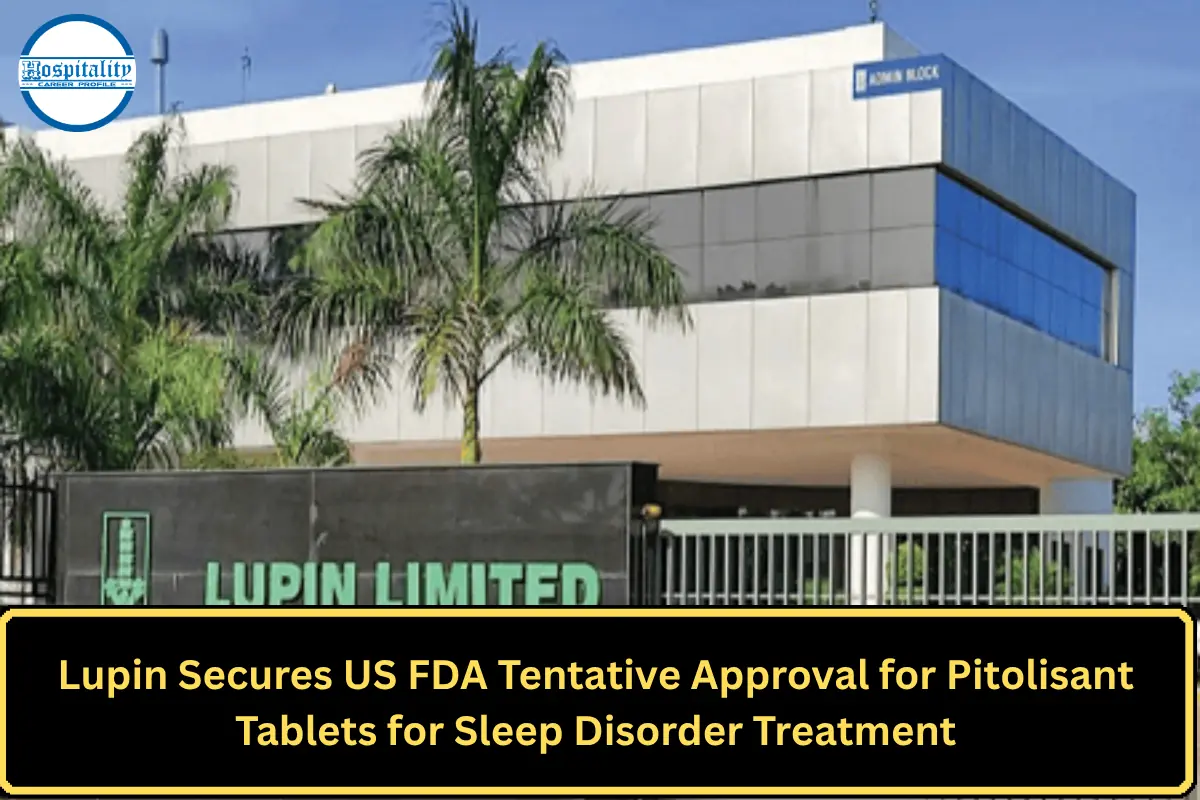
Lupin Secures US FDA Tentative Approval for Pitolisant Tablets for Sleep Disorder Treatment
Indian pharmaceutical company Lupin said on March 26, 2026, that it has received tentative approval from the United States Food and Drug Administration (FDA) for its pitolisant tablets, a treatment indicated for sleep disorders such as narcolepsy, marking a key step in expanding its presence in the central nervous system (CNS) therapeutic segment.
The tentative approval allows Lupin to market the drug in the United States upon receiving final approval, which is typically granted after patent or exclusivity protections for the reference-listed drug expire. The development positions the company to enter a competitive but growing market for sleep disorder treatments, where demand is rising due to increased diagnosis and awareness.
Advancing Treatment Options for Sleep Disorders
Pitolisant is a histamine H3 receptor antagonist/inverse agonist that works by enhancing histaminergic transmission in the brain, thereby promoting wakefulness. It is primarily used to treat excessive daytime sleepiness in patients with narcolepsy, a chronic neurological disorder that affects the brain’s ability to regulate sleep-wake cycles.
Unlike traditional stimulant-based therapies, pitolisant offers a non-scheduled alternative with a different mechanism of action, which may reduce the risk of dependency and adverse side effects commonly associated with stimulants. This has made it an increasingly important option in the treatment landscape for narcolepsy and related conditions.
Healthcare professionals view such therapies as critical in improving patients’ quality of life, as untreated sleep disorders can significantly impair daily functioning, productivity, and mental health.
Regulatory Pathway and Tentative Approval
The FDA grants tentative approval to generic or alternative versions of branded drugs that meet all regulatory requirements for safety, efficacy, and manufacturing quality but cannot yet be marketed due to existing patent protections. Once these protections expire, companies can seek final approval to launch the product.
Lupin’s pitolisant tablets have met the necessary standards outlined by the FDA, indicating that the formulation is therapeutically equivalent to the reference drug. The company will be eligible for full approval once regulatory conditions are satisfied, including the expiration of any exclusivity periods.
This regulatory milestone reflects Lupin’s continued focus on strengthening its portfolio in regulated markets, particularly the United States, which remains one of its key growth drivers.
Strategic Importance for Lupin
The tentative approval underscores Lupin’s strategy of targeting niche and specialty segments within the pharmaceutical market. The CNS space, including treatments for neurological and sleep disorders, represents a significant opportunity for growth due to unmet medical needs and increasing patient awareness.
By securing early regulatory clearance, Lupin positions itself to enter the market promptly once final approval is granted, potentially capturing market share in a segment with limited therapeutic alternatives.
The company has been investing in research and development to build a pipeline of complex generics and specialty drugs, aiming to diversify its offerings beyond traditional generics.
Market Dynamics and Demand Trends
The global market for sleep disorder treatments has been expanding steadily, driven by the rising prevalence of conditions such as narcolepsy, insomnia, and sleep apnea. Improved diagnostic capabilities and greater awareness among patients and healthcare providers have contributed to increased demand for effective therapies.
In the United States, the market is characterized by a mix of branded and generic medications, with growing interest in non-stimulant treatments like pitolisant. Analysts expect continued growth in this segment as new therapies are developed and approved.
Pricing, reimbursement policies, and competition from existing therapies will play a key role in determining the commercial success of Lupin’s product once it reaches the market.
Clinical and Patient Impact
For patients with narcolepsy, excessive daytime sleepiness can have a profound impact on daily life, affecting work, education, and social interactions. Effective treatment options are essential to managing symptoms and improving overall well-being.
Pitolisant has been shown in clinical studies to reduce daytime sleepiness and improve wakefulness, offering patients a viable alternative to traditional therapies. Its non-stimulant profile may also make it suitable for a broader range of patients.
Healthcare providers are expected to consider such therapies as part of a comprehensive treatment plan, which may include lifestyle modifications and behavioral interventions.
Industry and Regulatory Context
The approval highlights the ongoing efforts by pharmaceutical companies to expand access to treatments through the development of generic and alternative formulations. Regulatory agencies such as the FDA continue to encourage competition in the pharmaceutical market to improve affordability and accessibility.
Tentative approvals are a key part of this process, allowing companies to prepare for market entry while respecting intellectual property protections. This approach helps ensure a steady pipeline of new products entering the market once exclusivity periods end.
For Lupin, the milestone reinforces its reputation as a significant player in the global generics market, particularly in the United States.
Future Outlook
Looking ahead, Lupin is expected to pursue final approval for pitolisant tablets once regulatory conditions are met. The company may also explore opportunities to expand its CNS portfolio with additional products targeting neurological and psychiatric disorders.
The broader pharmaceutical industry is likely to continue focusing on innovative and patient-centric therapies, particularly in areas with high unmet need. Advances in neuroscience and drug development are expected to drive further innovation in sleep disorder treatments.
As competition intensifies, companies will need to balance pricing strategies with the need to ensure accessibility and maintain profitability.
Conclusion
Lupin’s tentative FDA approval for pitolisant tablets marks an important step toward expanding treatment options for sleep disorders, with final approval pending as the company prepares to enter the US market once regulatory conditions are fulfilled.