Lyrid Meteor Shower Peaks April 22 With Up to 18 Meteors Hourly
The Lyrid meteor shower will peak on April 22, 2026, offering up to 18 meteors per hour under dark skies, with minimal moonlight interference.
 Shah Vaibhavi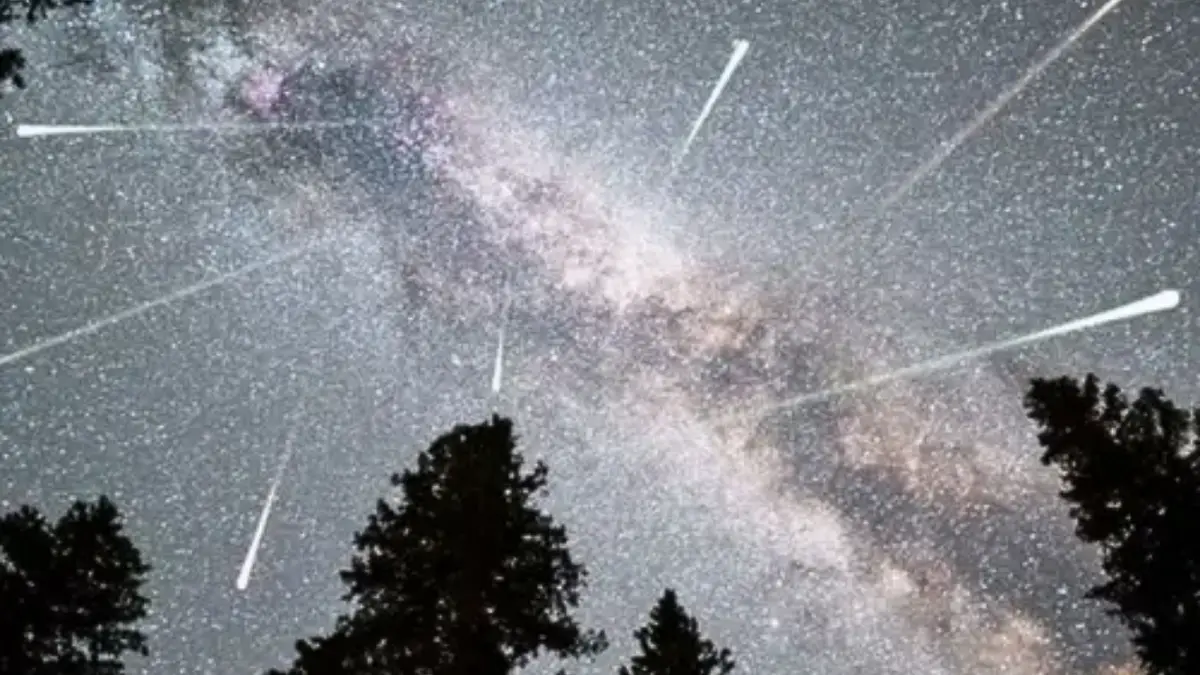
April 20, 2026 — The annual Lyrid meteor shower is set to peak in the early hours of April 22, offering skywatchers a chance to observe up to 18 meteors per hour under favorable conditions. With minimal interference from moonlight this year, visibility is expected to improve during the pre-dawn viewing window.
The Lyrid meteor shower occurs annually between April 16 and April 25, with peak activity concentrated in a short period. In 2026, astronomers identify the best observation window as the early morning hours of April 22, when the radiant point reaches a higher position in the sky, increasing meteor visibility.
Peak Timing and Viewing Conditions
The optimal time to observe the Lyrids is during the predawn hours, when the sky is darkest and the meteor shower’s radiant is elevated. As the morning progresses, increasing daylight reduces visibility despite the radiant continuing to rise. Observers are advised to begin viewing after midnight and continue until just before sunrise for the best results.
Moon conditions are favorable this year, with the moon setting after midnight. This creates darker skies during peak hours, reducing light interference and improving the chances of spotting meteors.
Meteor Rates and Activity Levels
The Lyrid meteor shower typically produces between 15 and 20 meteors per hour under ideal viewing conditions. This rate is measured as the Zenithal Hourly Rate (ZHR), which assumes a clear, dark sky and the radiant positioned directly overhead.
Although the average rate remains moderate, historical observations indicate that the Lyrids can occasionally produce outbursts, with meteor counts reaching up to 100 per hour. However, such increases are irregular and difficult to predict, and no confirmed outburst is expected for 2026.
Origin and Astronomical Background
The Lyrids originate from debris left by Comet C/1861 G1 Thatcher, a long-period comet that orbits the sun approximately every 415.5 years. The comet last passed through the inner solar system in 1861, leaving a trail of particles that intersect Earth’s orbit each April.
As Earth passes through this debris field, particles enter the atmosphere at high speeds and burn up, producing visible streaks of light known as meteors. These meteors appear to radiate from a specific point in the sky, referred to as the radiant.
Location in the Night Sky
The radiant of the Lyrid meteor shower is located near the boundary between the constellations Lyra and Hercules. It lies close to Vega, one of the brightest stars visible in the night sky during this period.
Observers are advised not to look directly at the radiant point. Meteors closer to the edges of the sky tend to produce longer and more visible trails, making them easier to detect.
Visibility and Observation Tips
The Lyrids are considered a medium-intensity meteor shower, with brightness levels lower than more prominent events such as the Perseid meteor shower in August. However, under dark and clear skies, they can still produce noticeable streaks.
For optimal viewing, observers should move away from urban light pollution and allow their eyes to adjust to darkness for at least 20 minutes. A wide, unobstructed view of the sky increases the chances of spotting meteors.
Weather conditions, including cloud cover and atmospheric clarity, will also play a role in determining visibility. Clear skies remain a key factor for successful observation.
The 2026 Lyrid meteor shower offers a predictable and accessible opportunity for skywatching, supported by favorable lunar conditions and consistent meteor rates. With peak activity expected in the early hours of April 22, observers can plan accordingly to maximize visibility during this annual celestial event.