Mastercard and MetaMask Launch Ethereum-Linked Payment Card Expanding Crypto Utility
Mastercard and MetaMask have launched a new payment card linked to Ethereum wallets, enabling seamless crypto transactions and expanding real-world utility.
 RUKAIYA KADIVAL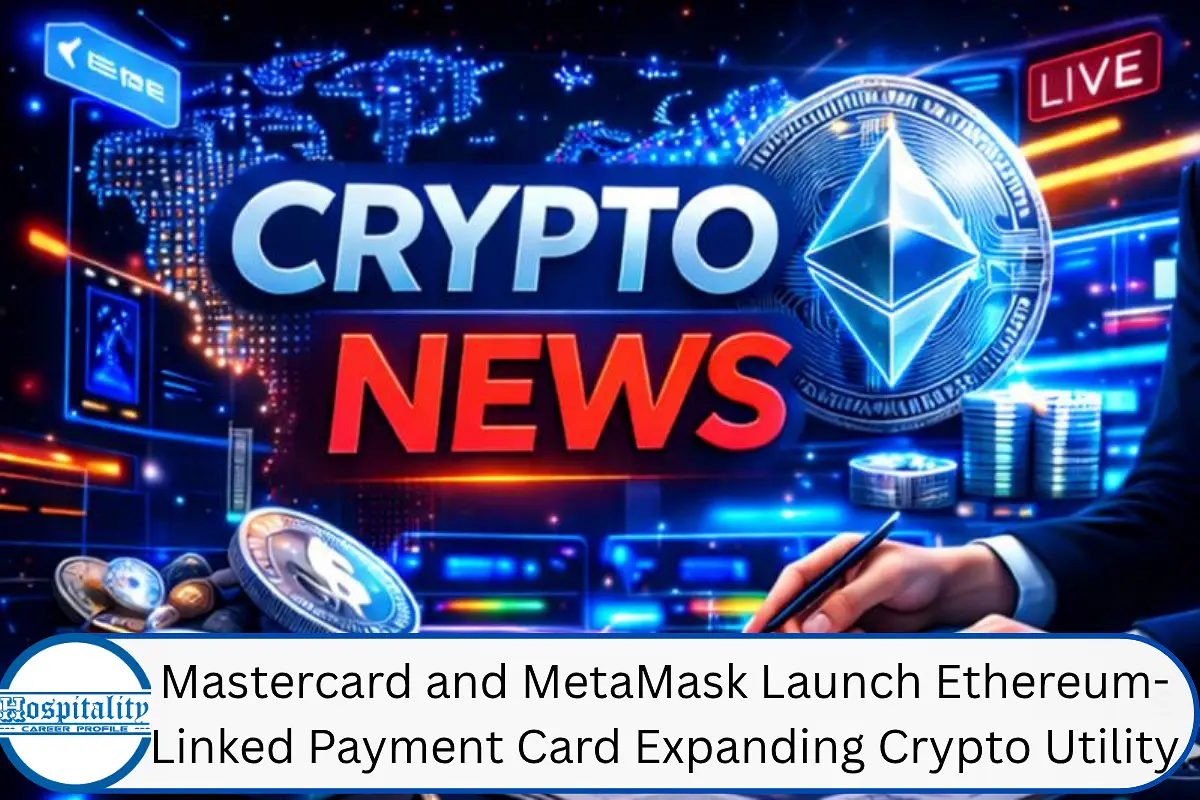
Mastercard and MetaMask Launch Ethereum-Linked Payment Card Expanding Crypto Utility
Mastercard and MetaMask have launched a new payment card linked to Ethereum wallets in 2026, enabling users to spend cryptocurrency directly in real-world transactions, as financial and technology firms accelerate efforts to bridge digital assets with traditional payment systems.
The initiative allows MetaMask users to connect their Ethereum-based wallets to a Mastercard-powered card, facilitating payments at merchants that accept card transactions globally. The move aims to expand the practical use of cryptocurrencies beyond trading and investment, bringing them closer to everyday financial activities.
Bridging Crypto and Traditional Finance
The launch represents a significant step in integrating blockchain-based assets with mainstream financial infrastructure. By linking digital wallets to a widely accepted payment network, the card enables users to convert and spend Ethereum seamlessly at the point of sale.
This development addresses one of the longstanding challenges in the cryptocurrency space: limited usability in everyday transactions. While digital assets have gained popularity as investment vehicles, their adoption as a medium of exchange has remained relatively constrained.
The Mastercard-MetaMask collaboration aims to close this gap by providing a user-friendly solution that connects decentralized finance with established payment systems.
How the Card Works
The MetaMask card allows users to fund transactions directly from their Ethereum wallets. When a purchase is made, the required amount of cryptocurrency is converted into fiat currency in real time, enabling merchants to receive payments in their preferred currency without exposure to crypto volatility.
This process ensures a seamless experience for both consumers and merchants, removing the complexity often associated with cryptocurrency transactions. The integration leverages Mastercard’s global network, which supports millions of merchants worldwide.
The card is expected to be compatible with both physical and digital payment methods, including contactless and online transactions.
Expanding Real-World Use Cases for Ethereum
The introduction of a crypto-linked payment card enhances the real-world utility of Ethereum, one of the largest blockchain networks. By enabling direct spending, the initiative supports broader adoption of Ethereum as a functional currency rather than solely a speculative asset.
Developers and users within the Ethereum ecosystem have been seeking ways to expand its use cases, particularly in decentralized finance and payments. The MetaMask card aligns with these efforts by providing a practical application for digital assets.
The move could also encourage greater participation in the crypto economy, as users gain confidence in the usability of their holdings.
Mastercard’s Growing Role in Digital Assets
Mastercard has been actively expanding its involvement in the digital asset space, forming partnerships and developing solutions that integrate cryptocurrencies into its payment network. The collaboration with MetaMask reflects the company’s strategy to support innovation while maintaining secure and reliable payment systems.
By enabling crypto-linked transactions, Mastercard is positioning itself at the forefront of financial technology evolution. The company has emphasized the importance of providing users with flexible payment options, including both traditional and digital currencies.
This approach aligns with broader industry trends, where established financial institutions are increasingly embracing blockchain technology.
MetaMask’s Role in Crypto Accessibility
MetaMask, a widely used digital wallet for Ethereum and other blockchain assets, plays a key role in making cryptocurrencies accessible to users. The integration with Mastercard enhances its functionality, allowing users to move seamlessly between digital and traditional financial environments.
The wallet’s user base has grown significantly in recent years, driven by interest in decentralized applications and digital assets. The addition of a payment card is expected to further increase its appeal by offering practical utility.
MetaMask’s involvement underscores the importance of user-friendly tools in driving mainstream adoption of blockchain technologies.
Security and Compliance Considerations
Security remains a critical aspect of crypto-linked payment solutions. The Mastercard-MetaMask card is expected to incorporate advanced security features, including encryption, fraud detection, and compliance with regulatory standards.
Ensuring the safety of transactions and user funds is essential for building trust in digital payment systems. The collaboration is likely to adhere to established financial regulations, providing a secure environment for users and merchants.
Regulatory compliance also plays a key role in enabling the widespread adoption of crypto payment solutions across different jurisdictions.
Impact on the Payments Industry
The launch of the Ethereum-linked payment card reflects a broader transformation in the payments industry, where digital assets are becoming increasingly integrated into mainstream financial services. Companies are exploring new ways to enhance payment flexibility and meet evolving consumer preferences.
Crypto-linked cards represent a convergence of traditional finance and decentralized technologies, offering a glimpse into the future of payments. As more users adopt these solutions, the distinction between digital and fiat currencies is likely to become less pronounced.
The initiative could also drive competition among payment providers, encouraging further innovation in the sector.
Challenges and Market Adoption
Despite the potential benefits, challenges remain in achieving widespread adoption of crypto payment cards. Factors such as regulatory uncertainty, market volatility, and user education may influence the pace of adoption.
Ensuring a smooth user experience and addressing concerns about transaction fees and conversion rates will be important for the success of the initiative. Companies involved in the ecosystem will need to continuously refine their offerings to meet user expectations.
Market adoption will also depend on broader acceptance of cryptocurrencies as a legitimate form of payment.
Future Outlook for Crypto Payments
The Mastercard-MetaMask collaboration signals a growing shift toward integrating digital assets into everyday financial activities. As technology advances and regulatory frameworks evolve, crypto payments are expected to become more accessible and widely accepted.
Industry experts anticipate that similar initiatives will emerge, further bridging the gap between decentralized finance and traditional banking systems. The focus will be on enhancing usability, security, and scalability.
The continued development of crypto payment solutions is likely to play a key role in shaping the future of global financial systems.
Conclusion
The launch of the Mastercard and MetaMask Ethereum-linked payment card marks a significant step in expanding the real-world utility of digital assets, as the financial industry moves toward greater integration of cryptocurrency and traditional payment systems.