Resurgence of Measles Signals Rising Global Pandemic Risks, Experts Warn
Health experts warn that the resurgence of measles globally is an early indicator of increasing pandemic risks, driven by declining vaccination rates and health system gaps.
 Akanksha jain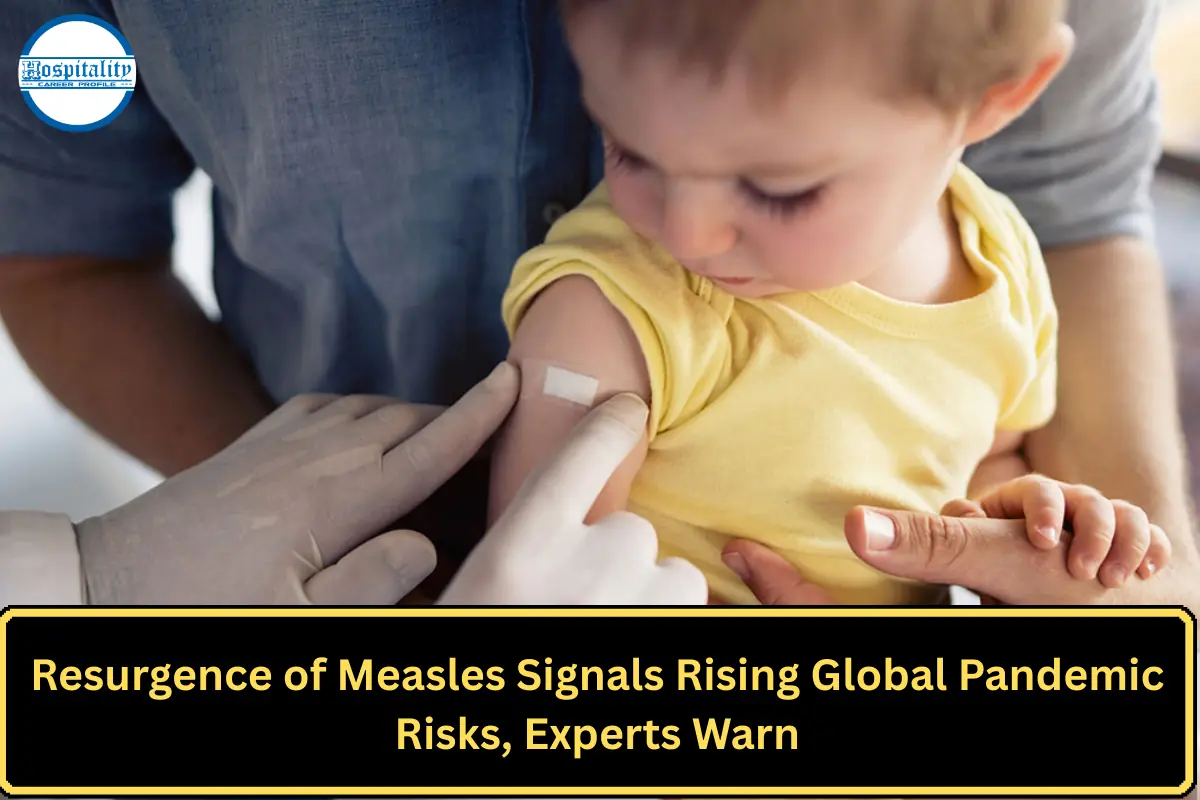
Resurgence of Measles Signals Rising Global Pandemic Risks, Experts Warn
Health experts are raising concerns over the global resurgence of measles, warning that the trend could signal heightened risks of future pandemics. The warning comes amid increasing cases reported across multiple regions in 2026, driven by declining vaccination coverage, disrupted healthcare systems, and growing misinformation about immunization.
Researchers studying infectious disease patterns say the rise in measles cases reflects deeper vulnerabilities in global health systems. Measles, a highly contagious viral disease, is often seen as a key indicator of immunization coverage because it spreads rapidly in populations with even small gaps in vaccination.
Declining Vaccination Rates Raise Alarm
One of the primary factors behind the resurgence is a sustained decline in routine immunization rates in several countries. Health officials attribute this trend to disruptions caused by the COVID-19 pandemic, which strained healthcare systems and led to missed vaccination campaigns.
In addition, vaccine hesitancy and misinformation have contributed to lower uptake in certain communities. Experts note that even a small drop in vaccination coverage can lead to significant outbreaks, as measles requires very high levels of population immunity to prevent transmission.
Public health authorities emphasize that measles vaccination is highly effective and has historically played a crucial role in reducing global child mortality. However, recent setbacks have reversed some of the progress made over the past decades.
Measles as a Warning Signal
Experts consider measles outbreaks to be a warning sign of broader public health risks. Because the virus spreads so easily, its resurgence often indicates weaknesses in healthcare delivery, surveillance systems, and immunization infrastructure.
Scientists studying pandemics suggest that these vulnerabilities could also facilitate the spread of other infectious diseases, including those with pandemic potential. As a result, the current rise in measles cases is being closely monitored as an early indicator of systemic risk.
The situation highlights the interconnected nature of global health, where disruptions in one area can have far-reaching consequences. Inadequate vaccination coverage in one region can lead to outbreaks that cross borders, underscoring the importance of coordinated international responses.
Impact on Children and Communities
Measles primarily affects children and can lead to serious complications, including pneumonia, brain inflammation, and long-term health issues. In severe cases, the disease can be fatal, particularly in areas with limited access to healthcare.
Communities with low vaccination rates are especially vulnerable, as outbreaks can spread quickly and overwhelm local health systems. The resurgence has raised concerns about increased morbidity and mortality, particularly in low- and middle-income countries.
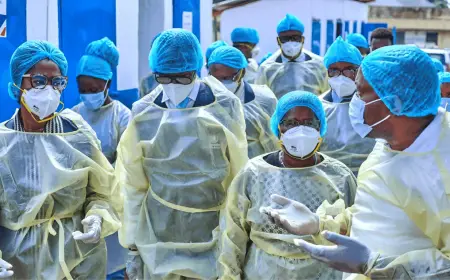
Healthcare workers are also at risk during outbreaks, adding further strain to already stretched medical resources. The need for rapid response measures, including vaccination drives and public awareness campaigns, has become increasingly urgent.
Global Health Systems Under Pressure
The resurgence of measles is occurring against a backdrop of ongoing challenges in global healthcare systems. Many countries are still recovering from the impact of the COVID-19 pandemic, which disrupted routine health services and diverted resources away from preventive care.
In some regions, conflict, displacement, and economic instability have further weakened healthcare infrastructure, making it more difficult to maintain consistent vaccination coverage. These factors have created conditions that allow preventable diseases like measles to re-emerge.
Experts warn that unless these systemic issues are addressed, the world may face an increasing frequency of outbreaks and a higher risk of large-scale health emergencies.
Need for Strengthened Immunization Efforts
Public health authorities are calling for renewed efforts to strengthen immunization programs and close vaccination gaps. This includes restoring routine vaccination services, conducting catch-up campaigns, and addressing misinformation through targeted communication strategies.
International organizations and governments are also being urged to invest in healthcare infrastructure and workforce capacity to ensure that vaccination programs can be sustained even during crises.
Experts emphasize that preventing measles outbreaks is not only about controlling a single disease but also about reinforcing the overall resilience of health systems. Strong immunization programs serve as a critical defense against a wide range of infectious diseases.
Lessons for Pandemic Preparedness
The resurgence of measles offers important lessons for pandemic preparedness. It highlights the need for robust surveillance systems, rapid response mechanisms, and strong community engagement to prevent the spread of infectious diseases.
Scientists note that early warning signs, such as rising measles cases, should be taken seriously as indicators of potential larger threats. Addressing these signals promptly can help prevent more severe outbreaks in the future.
In addition, global cooperation and data sharing are essential for managing infectious disease risks. Coordinated efforts can help identify emerging threats, allocate resources effectively, and implement timely interventions.
Outlook and Ongoing Monitoring
While the resurgence of measles is a cause for concern, experts believe that it can be controlled with timely and coordinated action. Increasing vaccination coverage, strengthening health systems, and addressing misinformation are key priorities for reducing the risk of further outbreaks.
Health authorities are continuing to monitor the situation closely and implement measures to contain the spread of the disease. The coming months will be critical in determining whether current efforts are sufficient to reverse the trend.
The resurgence serves as a stark reminder of the importance of sustained investment in public health and the need for vigilance in preventing the re-emergence of preventable diseases.
For now, the rise in measles cases stands as a warning that gaps in global health systems could have far-reaching consequences if left unaddressed.