Meta Plans New AI-Powered Smart Glasses Targeting Prescription Wearers
Meta is preparing to launch new AI-powered smart glasses designed for prescription wearers, expanding its push into wearable technology and augmented reality.
 RUKAIYA KADIVAL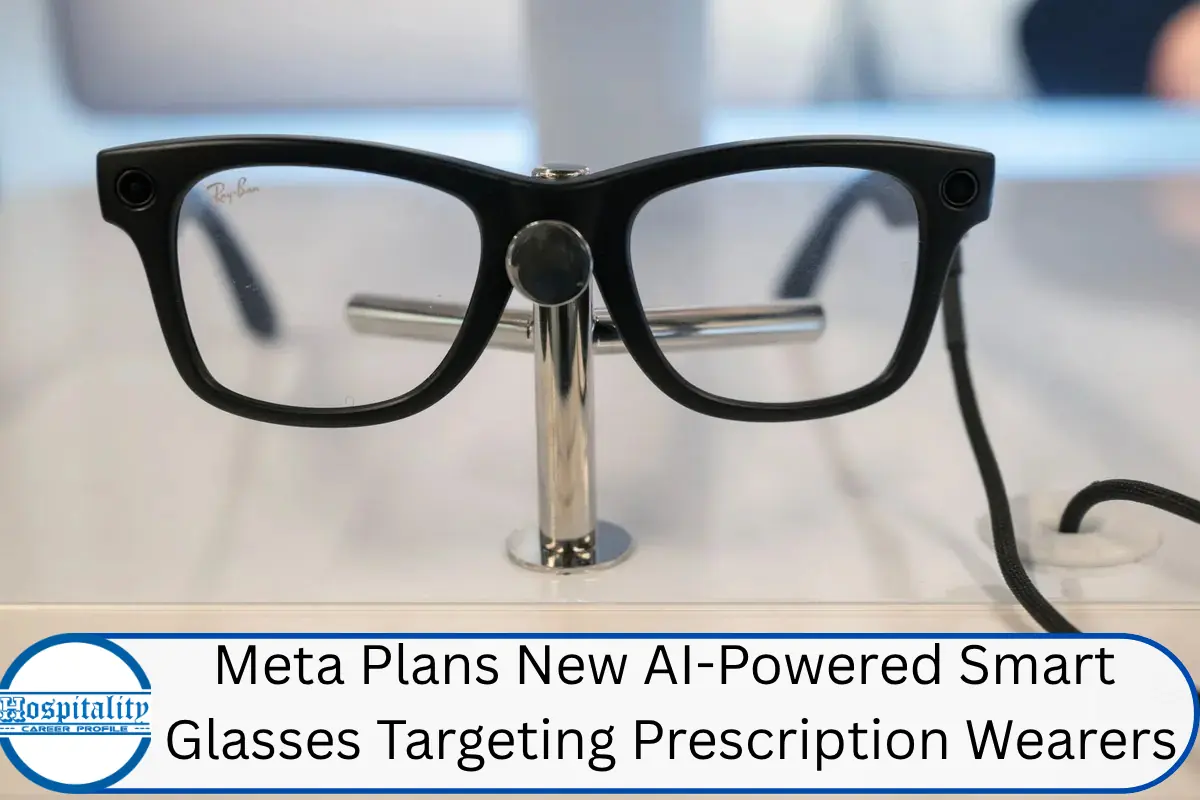
Meta Plans New AI-Powered Smart Glasses Targeting Prescription Wearers
Meta Platforms is preparing to launch a new generation of AI-powered smart glasses designed specifically for prescription wearers, according to recent reports, as the company expands its ambitions in wearable technology and augmented reality. The move, expected to unfold in the coming product cycle, aims to broaden the appeal of smart eyewear by addressing a key limitation for users who require vision correction.
The planned launch reflects Meta’s strategy to integrate artificial intelligence into everyday devices while making wearable technology more accessible to a wider audience. By focusing on prescription compatibility, the company is targeting a large segment of consumers who have previously faced barriers in adopting smart glasses due to vision requirements.
Expanding Meta’s Wearable Technology Portfolio
Meta has been steadily investing in wearable devices as part of its long-term vision to build immersive digital experiences. The company’s earlier smart glasses offerings focused on features such as hands-free photography, audio playback, and connectivity with mobile devices. However, adoption has been limited in part by design constraints and usability challenges.
The introduction of prescription-compatible smart glasses is expected to address one of the most significant gaps in the market. By enabling users to incorporate their vision needs into the device, Meta aims to make its products more practical for daily use.
This development aligns with the company’s broader efforts to create devices that seamlessly integrate into users’ lifestyles, rather than requiring behavioral adjustments.
AI Integration at the Core
Artificial intelligence is expected to play a central role in the new smart glasses, enabling features such as real-time information display, voice assistance, and contextual awareness. These capabilities could allow users to interact with digital content in a more intuitive and natural way, without relying heavily on smartphones or other devices.
The glasses may also incorporate advanced functionalities such as object recognition, navigation assistance, and language translation, leveraging AI to enhance everyday tasks. Such features are part of a growing trend in the technology industry toward embedding intelligence directly into hardware.
Meta’s focus on AI-driven experiences reflects its ongoing investment in machine learning and data processing technologies, which are critical to delivering responsive and personalized user interactions.
Addressing a Larger Consumer Base
One of the key challenges in the smart glasses market has been limited accessibility for users who require prescription lenses. Traditional smart eyewear often requires additional customization or compromises in design, which can deter potential buyers.
By designing glasses that natively support prescription lenses, Meta is positioning itself to tap into a significantly larger consumer base. This approach could help accelerate adoption by removing a practical barrier that has hindered the growth of the category.
Industry analysts believe that making wearable technology more inclusive is essential for achieving mass-market success, particularly in segments where functionality and comfort are critical.
Competition in the Smart Glasses Market
The market for smart glasses is becoming increasingly competitive, with several technology companies exploring similar products. Advances in augmented reality, miniaturization of components, and improvements in battery efficiency have made it possible to develop more sophisticated devices.
Meta’s latest initiative places it in direct competition with other players aiming to establish a foothold in the wearable computing space. Companies are racing to create devices that can deliver meaningful functionality while maintaining a lightweight and aesthetically appealing design.
The success of these products will depend on factors such as usability, pricing, and the ability to offer compelling features that differentiate them from traditional eyewear.
Challenges in Adoption and Design
Despite the potential, smart glasses face several challenges that could impact adoption. Issues such as battery life, privacy concerns, and social acceptance remain significant hurdles for the industry. Users may be cautious about devices that include cameras or sensors, particularly in public settings.
Design is another critical factor, as consumers are more likely to adopt wearable devices that resemble conventional eyewear. Achieving a balance between functionality and aesthetics is therefore essential for success.
Meta’s focus on prescription wearers suggests an effort to address these challenges by creating a product that aligns more closely with everyday use cases.
Strategic Importance for Meta
The development of AI-powered smart glasses is part of Meta’s broader strategy to build a future centered around immersive technologies, including augmented and virtual reality. Wearable devices are seen as a key component of this vision, serving as a gateway to digital experiences that blend seamlessly with the physical world.
By investing in smart glasses, Meta aims to establish an early leadership position in what could become a major new category of consumer technology. The integration of AI further enhances the potential value of these devices, enabling them to perform a wide range of functions beyond traditional eyewear.
This initiative also reflects the company’s efforts to diversify its product portfolio and reduce reliance on its core social media business.
Industry Trends and Future Outlook
The push toward AI-enabled wearables is part of a broader trend in the technology industry, where companies are seeking to embed intelligence into everyday objects. From smartwatches to connected home devices, the integration of AI is transforming how users interact with technology.
Smart glasses, in particular, are viewed as a potential next frontier, offering a hands-free interface for accessing information and services. As the technology matures, it could open up new applications in areas such as healthcare, education, and enterprise solutions.
However, achieving widespread adoption will require continued innovation, cost reductions, and improvements in user experience.
Conclusion
Meta’s plan to launch AI-powered smart glasses for prescription wearers highlights its push to expand wearable technology and make it more accessible, as competition intensifies in the evolving augmented reality market.