Metformin Found to Influence Brain Pathways, Opening New Avenues for Diabetes Treatment
New research reveals that metformin may influence brain pathways, offering fresh insights into diabetes treatment and potential therapeutic strategies.
 Akanksha jain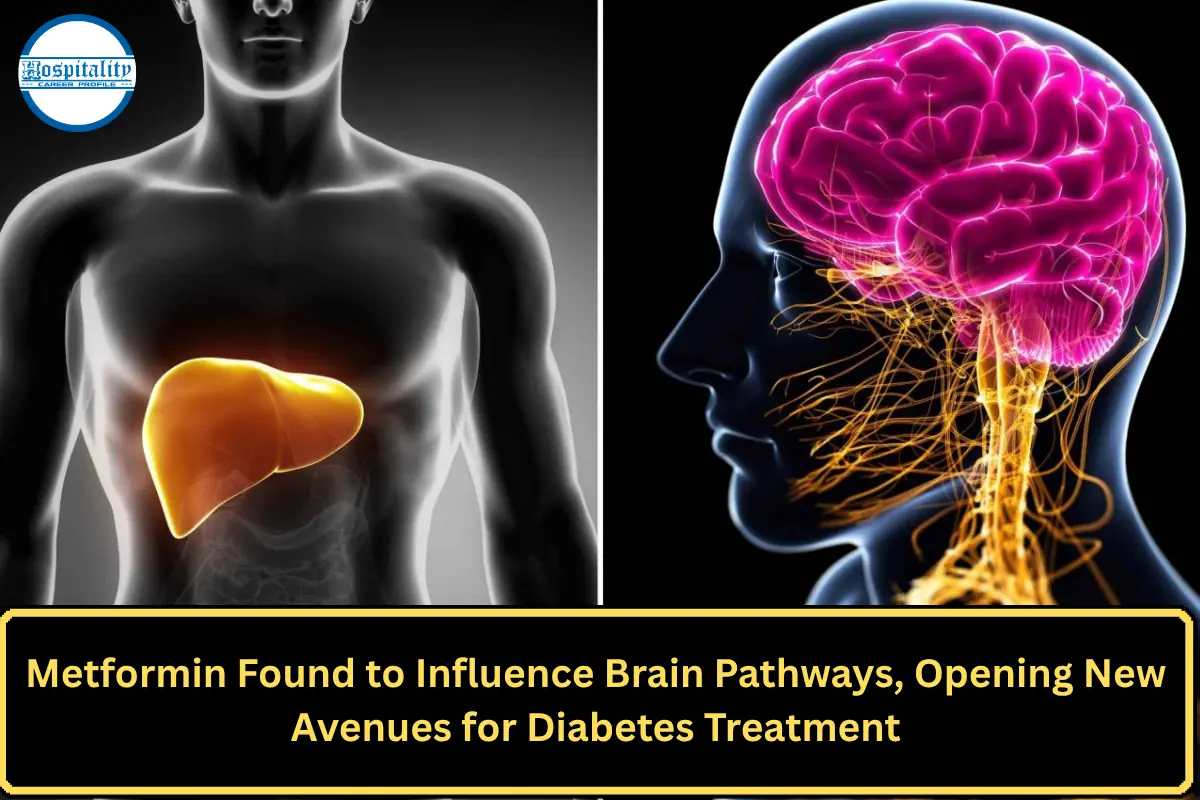
Metformin Found to Influence Brain Pathways, Opening New Avenues for Diabetes Treatment
Researchers have discovered that metformin, a widely used diabetes drug, may influence brain pathways involved in metabolic regulation, offering new insights into treatment strategies for diabetes, according to findings reported in March 2026. The study sheds light on how the drug works beyond its traditional role in controlling blood sugar levels, potentially paving the way for more targeted and effective therapies.
The research, conducted by a team of scientists studying metabolic diseases, suggests that metformin’s effects extend to the central nervous system, where it may play a role in regulating appetite, energy balance, and glucose metabolism. The findings could help explain some of the drug’s broader health benefits and support the development of next-generation treatments.
Expanding Understanding of Metformin’s Mechanism
Metformin has long been a first-line treatment for type 2 diabetes, primarily known for reducing glucose production in the liver and improving insulin sensitivity. However, its full mechanism of action has remained only partially understood.
The new study indicates that metformin may also act on specific brain pathways that influence how the body processes energy and regulates blood sugar. By targeting these neural circuits, the drug could have a more comprehensive effect on metabolic health than previously recognized.
Researchers noted that this expanded understanding could lead to improved treatment strategies that address multiple aspects of diabetes simultaneously.
Role of the Brain in Metabolic Regulation
The brain plays a critical role in maintaining metabolic balance, coordinating signals related to hunger, satiety, and energy expenditure. Disruptions in these processes are closely linked to the development of metabolic disorders such as diabetes and obesity.
The study highlights how metformin’s interaction with brain pathways may help restore balance in these systems. By influencing neural signaling, the drug could contribute to better regulation of blood glucose levels and body weight.
Experts believe that targeting the brain could become an important strategy in managing complex metabolic conditions.
Implications for Diabetes Treatment
The discovery has significant implications for the future of diabetes treatment. Current therapies often focus on peripheral organs such as the liver, pancreas, and muscles. However, the new findings suggest that incorporating the brain into treatment strategies could enhance effectiveness.
By understanding how metformin affects both peripheral and central mechanisms, researchers can develop therapies that provide more comprehensive control of the disease. This approach may lead to improved outcomes for patients, particularly those who do not respond adequately to existing treatments.
The findings also open the possibility of combining metformin with other therapies that target different aspects of metabolic regulation.
Potential Benefits Beyond Blood Sugar Control
Metformin has been associated with a range of health benefits beyond glucose control, including potential effects on weight management, cardiovascular health, and even longevity. The new research provides a possible explanation for these benefits by highlighting the drug’s influence on brain pathways.
By affecting appetite and energy balance, metformin may help patients achieve better overall metabolic health. This could reduce the risk of complications associated with diabetes, such as heart disease and kidney damage.
Researchers are now exploring how these additional effects can be harnessed to improve patient care.
Advancing Precision Medicine
The study also contributes to the growing field of precision medicine, which aims to tailor treatments to individual patients based on their unique biological characteristics. Understanding how metformin interacts with brain pathways could help identify which patients are most likely to benefit from the drug.
This knowledge may enable healthcare providers to personalize treatment plans, improving efficacy and reducing side effects. It could also support the development of new drugs that target similar pathways with greater specificity.
Precision medicine approaches are expected to play an increasingly important role in managing chronic diseases like diabetes.
Research Methods and Technological Advances
The findings were made possible by advances in research techniques that allow scientists to study complex interactions between drugs and the brain. These include imaging technologies, molecular analysis, and computational modeling.
Such tools enable researchers to observe how drugs influence neural activity and identify the pathways involved in metabolic regulation. The integration of these technologies is helping to uncover previously hidden aspects of drug action.
Experts noted that continued innovation in research methods will be essential for further breakthroughs in this area.
Challenges and Future Research
While the results are promising, researchers caution that further studies are needed to fully understand the implications of metformin’s effects on the brain. Clinical trials will be necessary to determine how these findings translate into real-world treatment outcomes.
There are also challenges in studying brain pathways, given their complexity and variability among individuals. Addressing these challenges will require collaboration across disciplines, including neuroscience, endocrinology, and pharmacology.
Future research will focus on validating the findings and exploring how they can be applied to develop new therapies.
Broader Impact on Metabolic Disease Management
The discovery has implications beyond diabetes, as similar brain pathways are involved in other metabolic disorders such as obesity and metabolic syndrome. Understanding these connections could lead to more integrated approaches to managing these conditions.
Researchers believe that targeting the brain could help address the underlying causes of metabolic diseases, rather than just their symptoms. This shift in focus may lead to more sustainable and effective treatments.
The study highlights the importance of considering the body as an interconnected system when developing medical interventions.
Industry and Clinical Perspective
Healthcare experts and industry stakeholders have welcomed the findings, noting that they could influence the future direction of drug development. Pharmaceutical companies may explore new compounds that mimic or enhance metformin’s effects on brain pathways.
Clinicians are also interested in how these insights could improve patient management, particularly for those with complex or treatment-resistant forms of diabetes. Integrating new knowledge into clinical practice will be a key step in realizing the benefits of the research.
The collaboration between research institutions and the pharmaceutical industry is expected to accelerate progress in this field.
Conclusion
The discovery that metformin influences brain pathways marks a significant advancement in understanding diabetes treatment, offering new possibilities for more effective and comprehensive approaches to managing metabolic diseases.