Microsoft Introduces AI Healthcare Chatbot to Assist Patients and Clinicians
Microsoft has launched a new artificial intelligence healthcare chatbot designed to help patients access medical information and assist clinicians with administrative and clinical tasks.
 Akanksha jain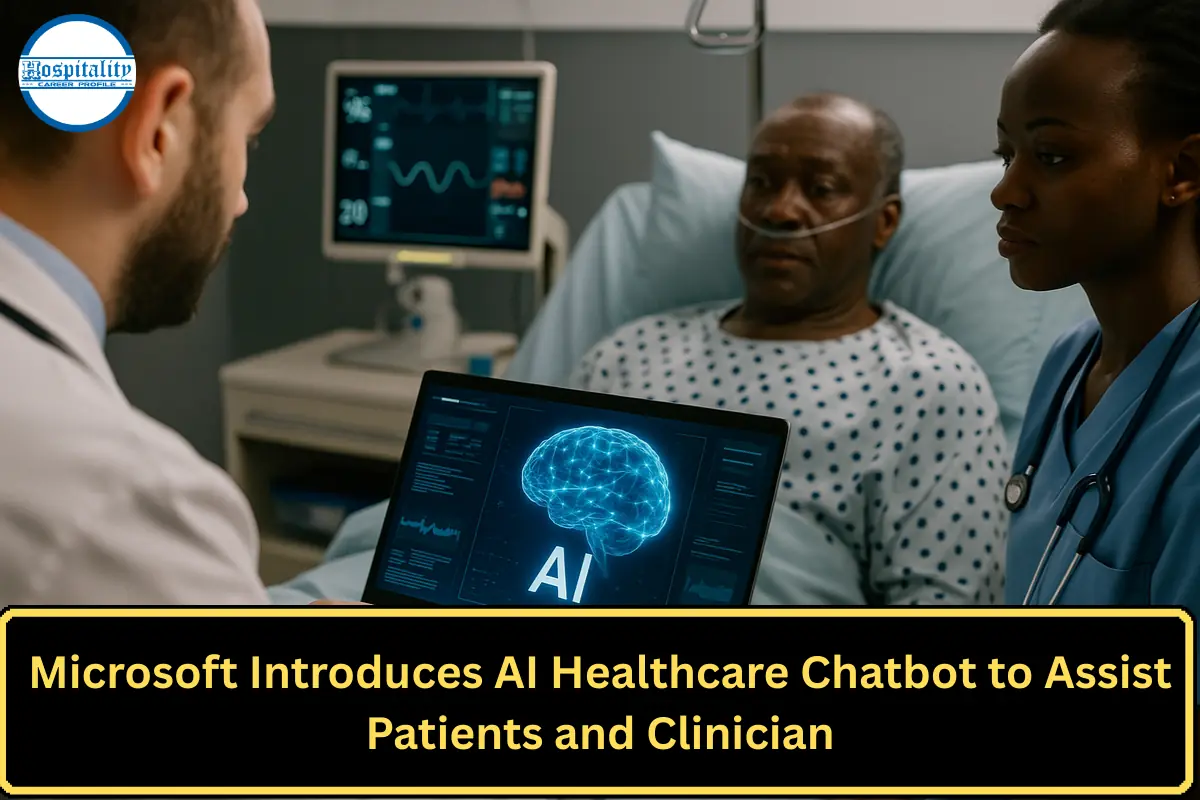
Microsoft Launches AI Chatbot Designed for Healthcare Applications
Microsoft has introduced a new artificial intelligence-powered healthcare chatbot aimed at assisting patients and healthcare professionals with medical information, administrative tasks, and clinical support. The technology was unveiled as part of the company’s expanding efforts to integrate artificial intelligence tools into healthcare systems, reflecting growing demand for digital solutions that improve efficiency and patient engagement in the medical sector.
The chatbot is designed to process medical queries, provide informational guidance, and support healthcare providers by helping manage routine tasks such as documentation, scheduling assistance, and data retrieval. By using advanced language models and clinical data processing, the system aims to streamline interactions between patients and healthcare providers while reducing the administrative workload faced by medical staff.
Healthcare technology experts say the launch highlights the increasing role of artificial intelligence in modern healthcare systems, where digital tools are being developed to improve access to information and optimize operational workflows.
Growing Role of Artificial Intelligence in Healthcare
Artificial intelligence has become a rapidly expanding area within healthcare technology, with applications ranging from diagnostic imaging analysis to predictive analytics and patient engagement platforms. Hospitals and health systems worldwide are exploring ways to incorporate AI into everyday medical operations to improve efficiency and reduce administrative burdens.
Microsoft’s new chatbot represents part of this broader trend toward digital health transformation. AI-driven systems are increasingly capable of analyzing large volumes of medical information and delivering responses to user inquiries in natural language, making them more accessible for both patients and healthcare professionals.
Healthcare providers often face significant administrative workloads that can limit the amount of time clinicians spend directly interacting with patients. By automating routine information retrieval and communication tasks, AI systems may help healthcare teams focus more on clinical decision-making and patient care.
The chatbot’s design reflects these goals by integrating medical knowledge resources and language-processing capabilities that allow it to respond to a wide range of health-related questions.
How the Healthcare Chatbot Works
The new system uses advanced natural language processing technology to interpret questions from patients and healthcare staff and provide relevant responses based on medical guidelines, healthcare databases, and structured clinical information. Users can ask the chatbot about symptoms, treatment options, appointment procedures, or general healthcare guidance.
For healthcare professionals, the chatbot can assist with retrieving patient information, summarizing clinical documentation, and helping manage administrative processes such as appointment scheduling or medical record organization. These capabilities aim to improve workflow efficiency in hospitals and clinics where staff often handle large volumes of information.
The technology can also integrate with digital health records and hospital information systems, allowing clinicians to access relevant data quickly during consultations. Such integration may help reduce the time spent navigating multiple software platforms during patient interactions.
Microsoft says the chatbot has been developed with safeguards designed to ensure responsible use of medical information, including compliance with healthcare data privacy standards.
Potential Benefits for Patients
Patients increasingly rely on digital platforms to access health information and communicate with healthcare providers. AI-powered chatbots can provide immediate responses to common questions, helping individuals understand symptoms, prepare for medical appointments, or navigate healthcare services.
The new chatbot is designed to provide general medical information while encouraging users to consult healthcare professionals for diagnosis and treatment decisions. By offering accessible information in conversational language, such systems may help patients feel more informed before visiting healthcare facilities.
Healthcare experts note that digital tools can also improve accessibility for patients who may face barriers to obtaining information through traditional channels. Chatbots can operate around the clock, responding at any time without requiring users to wait for office hours.
However, developers emphasize that these technologies are intended to complement professional medical advice rather than replace direct consultations with doctors.
Addressing Administrative Challenges in Healthcare
Administrative tasks represent a major operational challenge for healthcare providers worldwide. Medical professionals often spend considerable time completing documentation, reviewing patient records, and managing communication with patients and insurers.
Artificial intelligence systems capable of summarizing clinical notes, retrieving relevant patient information, and automating routine communication may help reduce this burden. By assisting with documentation and information management, AI tools can potentially improve efficiency in hospital workflows.
Healthcare administrators are increasingly exploring digital technologies that streamline operations while maintaining high standards of patient care. AI-based assistants are seen as one potential solution to these challenges.
Microsoft’s chatbot initiative reflects broader industry efforts to apply automation and machine learning technologies to healthcare administration and communication processes.
Ensuring Privacy and Data Security
The use of artificial intelligence in healthcare requires careful attention to privacy and data protection, particularly when systems interact with patient records and medical information. Healthcare data is highly sensitive, and regulations require strict safeguards to protect patient confidentiality.
Technology companies developing healthcare AI tools must ensure compliance with health data protection laws and regulatory frameworks. These requirements often include encryption, secure data storage, and strict access controls for authorized users.
Microsoft stated that the healthcare chatbot has been designed to operate within existing healthcare compliance frameworks and integrate with secure clinical systems used by medical institutions.
Healthcare experts emphasize that transparency in how AI systems process and store medical information will remain essential for building trust among patients and healthcare providers.
Competition in the Digital Health Technology Sector
The launch of Microsoft’s healthcare chatbot comes as technology companies increasingly compete to develop digital tools for the medical sector. Artificial intelligence is viewed as a key component of future healthcare innovation, with applications ranging from clinical research to patient communication platforms.
Major technology firms, health technology startups, and medical software providers are investing heavily in AI-based solutions that aim to improve healthcare delivery and efficiency. These systems are being tested in hospitals, telemedicine platforms, and digital health applications worldwide.
As healthcare organizations continue to digitize operations, demand for integrated AI tools capable of supporting clinical and administrative workflows is expected to grow.
Industry analysts say partnerships between technology companies and healthcare providers will likely play a significant role in shaping the next generation of digital medical tools.
Future Outlook for AI-Powered Healthcare Assistants
The introduction of advanced healthcare chatbots represents an early stage in the broader adoption of conversational artificial intelligence in medicine. As AI technology continues to evolve, these systems may become more capable of assisting with complex clinical workflows and patient communication tasks.
Healthcare providers will likely evaluate such tools through pilot programs and limited deployments before integrating them more widely into clinical environments. Careful testing is often necessary to ensure that digital assistants meet safety, reliability, and accuracy standards required in healthcare settings.
Experts note that the successful adoption of AI healthcare assistants will depend on collaboration between technology developers, medical professionals, and regulatory authorities. Ensuring that systems provide accurate and responsible medical information will remain a critical priority.
Microsoft’s new chatbot reflects the growing momentum behind artificial intelligence in healthcare as institutions explore ways to combine digital innovation with patient-centered care and operational efficiency.