Modi Criticizes ‘Self-Serving Politics’ Amid Middle East Conflict, Urges National Unity
Prime Minister Narendra Modi criticizes opposition politics amid the Middle East conflict, calling for unity and responsible conduct as global tensions escalate.
 SANJANA DUTTA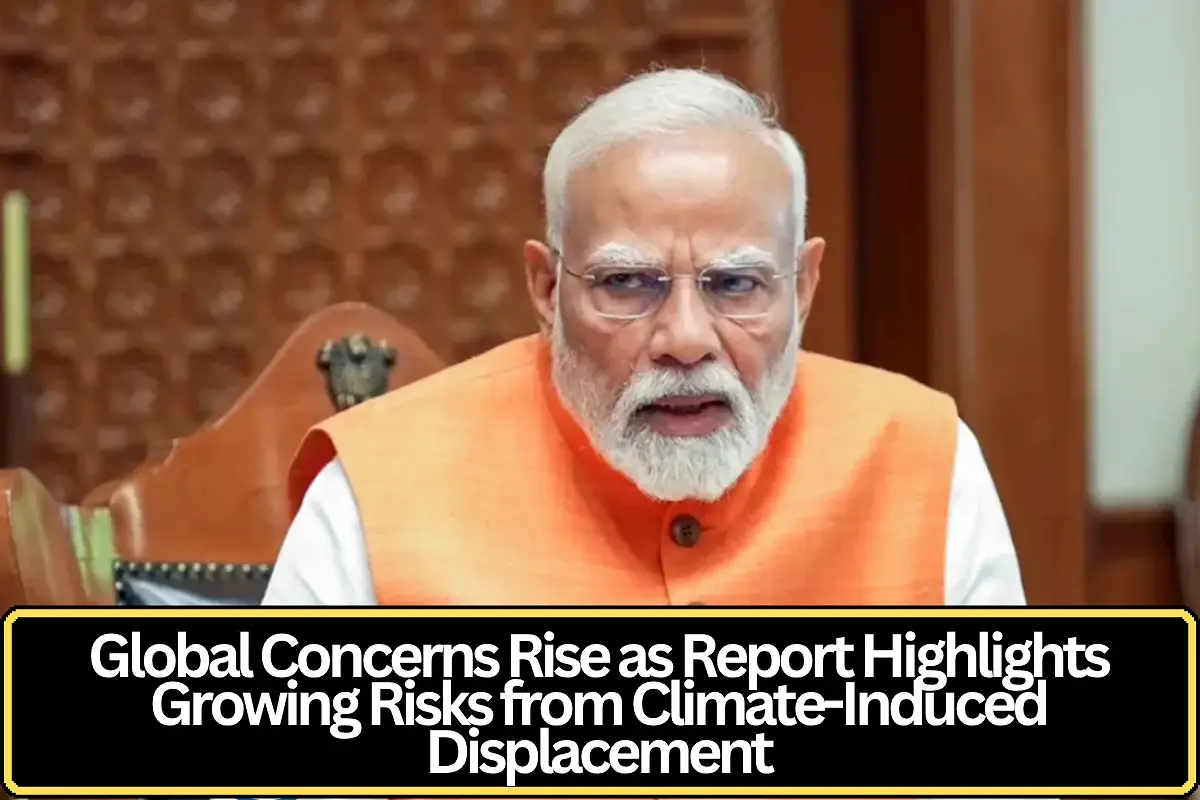
Modi Calls for Unity Amid Escalating Global Tensions
NEW DELHI, March 29, 2026 — Prime Minister Narendra Modi on Sunday criticized what he described as “self-serving politics” by opposition parties in the context of the ongoing Middle East conflict, urging political leaders across India to act responsibly and prioritize national interest as global tensions intensify.
Speaking at a public event, Modi emphasized that international crises demand unity and maturity in domestic political discourse. His remarks come at a time when the conflict in the Gulf region continues to escalate, raising concerns about its economic and geopolitical impact on countries worldwide, including India.
Sharp Political Exchange Over Global Crisis
The Prime Minister’s comments appeared to be directed at opposition leaders who have questioned the government’s handling of the situation and its diplomatic stance. Without naming specific individuals or parties, Modi suggested that attempts to derive political advantage from a global crisis undermine the country’s collective interests.
“This is not the time for opportunistic or self-serving politics,” he said, stressing that national unity should take precedence over partisan differences when dealing with international challenges.
The opposition, in recent days, has raised concerns over issues such as the safety of Indian nationals in the conflict zone, potential economic repercussions, and the government’s communication strategy. Some leaders have called for greater transparency and a clearer articulation of India’s position.
Government’s Focus on Safety and Stability
Government officials have maintained that India is closely monitoring developments in the Middle East and is taking all necessary steps to safeguard its citizens and economic interests. This includes contingency planning for the evacuation of Indians from affected regions and efforts to ensure the stability of energy supplies.
India has significant stakes in the Gulf region, with millions of Indian expatriates living and working there. The region is also a major source of crude oil imports, making the conflict a matter of strategic concern for New Delhi.
Authorities have indicated that diplomatic channels are actively engaged with key stakeholders to assess the evolving situation and coordinate responses where necessary.
Economic Implications Under Scrutiny
The ongoing conflict has already begun to influence global oil markets, with prices showing signs of volatility. Analysts warn that prolonged instability could lead to sustained increases in energy costs, which would have downstream effects on inflation and economic growth in India.
Modi acknowledged these challenges, noting that the government is working to mitigate potential disruptions. He emphasized the importance of resilience and preparedness in navigating the economic fallout of global events.
“We are taking all steps to protect the interests of our citizens and ensure economic stability,” he said, reiterating the government’s commitment to managing the situation effectively.
Diplomatic Balancing Act
India has traditionally maintained balanced relations with various countries in the Middle East, and the current conflict presents a complex diplomatic landscape. The government has so far adopted a cautious approach, calling for peace and dialogue while avoiding alignment with any specific side.
Experts note that maintaining this balance is critical, given India’s strategic and economic ties across the region. Any shift in stance could have significant implications for bilateral relations and regional stability.
Modi’s remarks underscore the importance of presenting a unified national position in such circumstances, reinforcing India’s image as a stable and responsible global actor.
Opposition Demands Accountability
Opposition leaders have pushed back against the Prime Minister’s criticism, arguing that raising questions about government policy is a legitimate part of democratic functioning. They have called for regular briefings and greater engagement with Parliament on the issue.
Some leaders have also expressed concern about the welfare of Indian workers in the Gulf, urging the government to provide clear assurances regarding their safety and support mechanisms.
The political exchange highlights the broader tension between calls for unity and the role of opposition in holding the government accountable during times of crisis.
Public and Political Reactions
Reactions to Modi’s comments have been mixed. Supporters of the government have echoed his call for unity, arguing that national interests must take precedence during global emergencies. Critics, however, contend that constructive criticism should not be dismissed as opportunism.
Political analysts suggest that such debates are likely to continue as the situation evolves, particularly if the conflict has prolonged economic or humanitarian consequences.
The discourse also reflects the broader dynamics of Indian politics, where domestic considerations often intersect with international developments.
Focus on Indian Diaspora
The safety of Indian nationals in the Middle East remains a top priority for the government. Officials have been in contact with Indian missions in the region to monitor conditions and provide assistance where needed.
Emergency response mechanisms are being reviewed to ensure readiness in case the situation deteriorates further. This includes coordination with airlines and other agencies for potential evacuation operations.
The government has urged Indian citizens in affected areas to remain vigilant and follow advisories issued by local authorities and Indian embassies.
Global Context and India’s Role
The Middle East conflict has drawn widespread international attention, with major powers engaging in diplomatic efforts to de-escalate tensions. India, as a significant global player, is expected to contribute to these efforts through diplomatic channels and multilateral forums.
Modi reiterated India’s support for peaceful resolution and dialogue, aligning with the country’s long-standing foreign policy principles.
He also highlighted the need for global cooperation in addressing the broader implications of the conflict, including its impact on energy markets and international security.
Conclusion
As the Middle East conflict continues to unfold, Modi’s remarks underscore the importance of unity and responsible political conduct within India.
Current Status
The government remains on high alert, closely monitoring developments while political debates continue over India’s response and the broader implications of the ongoing crisis.