Prioritise Elimination of Sickle Cell Anaemia and Tuberculosis, Madhya Pradesh Governor Urges
Madhya Pradesh's governor calls for prioritizing services to eliminate sickle cell anemia and tuberculosis, highlighting urgent public health needs in India.
 Akanksha jain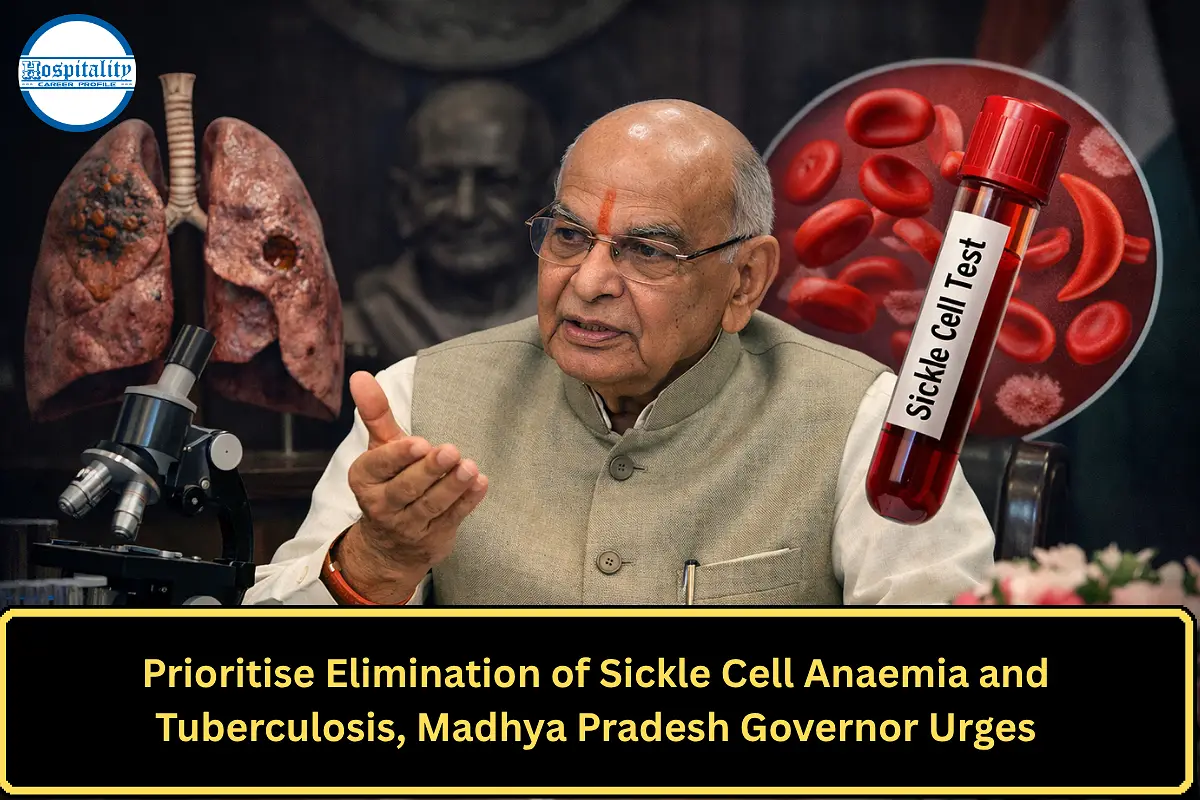
Prioritize the elimination of sickle cell anemia and tuberculosis. Madhya Pradesh Governor Urges
The Governor of Madhya Pradesh has called for prioritizing healthcare services aimed at eliminating sickle cell anemia and tuberculosis (TB), stressing the urgency of addressing these major public health challenges in India, according to a statement made in late March 2026 at a public health event.
Speaking at a health-focused gathering, the governor highlighted the need for coordinated efforts between government agencies, healthcare providers, and community organizations to tackle the dual burden of communicable and genetic diseases affecting millions across the country. The appeal comes at a time when India continues to push forward with national missions targeting both conditions.
Focus on Two Critical Health Challenges
Sickle cell anemia, a hereditary blood disorder, and tuberculosis, a highly infectious bacterial disease, remain significant contributors to morbidity and mortality in India. While the two conditions differ in origin and transmission, both require sustained public health interventions, early diagnosis, and long-term management strategies.
The governor emphasized that addressing these diseases should be treated as a priority within the broader healthcare framework, particularly in states where prevalence rates remain high. Madhya Pradesh is among the regions where both conditions pose a substantial healthcare burden.
Efforts to eliminate tuberculosis have been ongoing under national programs aligned with global health targets, while initiatives to screen and manage sickle cell anemia have gained momentum in recent years.
Need for Strengthened Healthcare Infrastructure
The call to action includes strengthening healthcare infrastructure, particularly in rural and underserved areas where access to diagnostic and treatment services remains limited. Early detection is crucial for both TB and sickle cell anemia, as timely intervention can significantly improve outcomes and reduce complications.
Healthcare facilities need to be equipped with adequate testing capabilities, trained personnel, and essential medicines to effectively manage these conditions. The governor highlighted the importance of expanding screening programs and ensuring that patients receive continuous care.
In addition, improving awareness among communities is seen as a key factor in encouraging early diagnosis and reducing stigma associated with these diseases.
Government Initiatives and Policy Support
India has launched several national initiatives aimed at eliminating tuberculosis, including enhanced surveillance, free treatment programs, and public awareness campaigns. The country has set ambitious targets to significantly reduce TB incidence and mortality in the coming years.
Similarly, the government has introduced programs focused on sickle cell anemia, particularly in tribal and high-risk populations. These initiatives include large-scale screening, genetic counseling, and efforts to integrate care into primary healthcare systems.
The governor's remarks reinforce the importance of aligning state-level efforts with national health policies to achieve these goals effectively.
Challenges in Disease Elimination
Despite ongoing efforts, several challenges remain in the fight against TB and sickle cell anemia. For tuberculosis, issues such as drug resistance, delayed diagnosis, and treatment adherence continue to hinder progress. Socioeconomic factors, including poverty and overcrowding, also contribute to the spread of the disease.
In the case of sickle cell anemia, challenges include limited awareness, lack of widespread screening, and the need for long-term management strategies. As a genetic condition, it requires sustained medical care and support systems for affected individuals.
Experts note that overcoming these challenges will require a multi-sectoral approach involving healthcare, education, and community engagement.
Role of Community Engagement
Community participation is critical in achieving the elimination targets for both diseases. Public health campaigns aimed at educating people about symptoms, prevention, and treatment options can play a significant role in early detection and reducing transmission in the case of TB.
For sickle cell anemia, awareness programs can help individuals understand the importance of genetic testing and counseling, particularly for those in high-risk groups. Engaging local leaders and community health workers can enhance the reach and effectiveness of these initiatives.
The governor highlighted that empowering communities with knowledge and resources is essential for building a sustainable response to these health challenges.
Importance of Early Diagnosis and Treatment
Early diagnosis remains a cornerstone of effective disease management for both tuberculosis and sickle cell anemia. For TB, prompt identification and treatment can prevent transmission and improve recovery rates. For sickle cell anemia, early detection allows for better management of symptoms and prevention of complications.
Advances in diagnostic technologies and increased availability of screening programs have improved the ability to detect these conditions. However, ensuring equitable access to these services remains a priority.
Healthcare professionals stress that integrating screening into routine healthcare services can significantly enhance detection rates and overall outcomes.
Looking Ahead
The governor's call to prioritize elimination efforts underscores the need for sustained commitment from all stakeholders, including government bodies, healthcare institutions, and civil society. Achieving meaningful progress will depend on coordinated strategies, adequate funding, and continuous monitoring of programs.
With increasing focus on public health and disease prevention, India is positioned to make significant strides in reducing the burden of tuberculosis and sickle cell anemia. Continued investment in healthcare infrastructure and innovation will be essential in reaching elimination targets.
As the country advances its health agenda, prioritizing these conditions could lead to improved outcomes and a stronger healthcare system overall.
Conclusion
The Madhya Pradesh Governor’s appeal highlights the urgency of intensifying efforts to eliminate sickle cell anemia and tuberculosis, with strengthened healthcare services and community engagement seen as key to achieving long-term public health goals.