NCCN Conference Highlights New Strategies to Advance Global Cancer Care and Improve Patient Outcomes
Experts at the NCCN conference unveiled new global cancer care strategies aimed at improving treatment access, outcomes, and innovation in oncology.
 Akanksha jain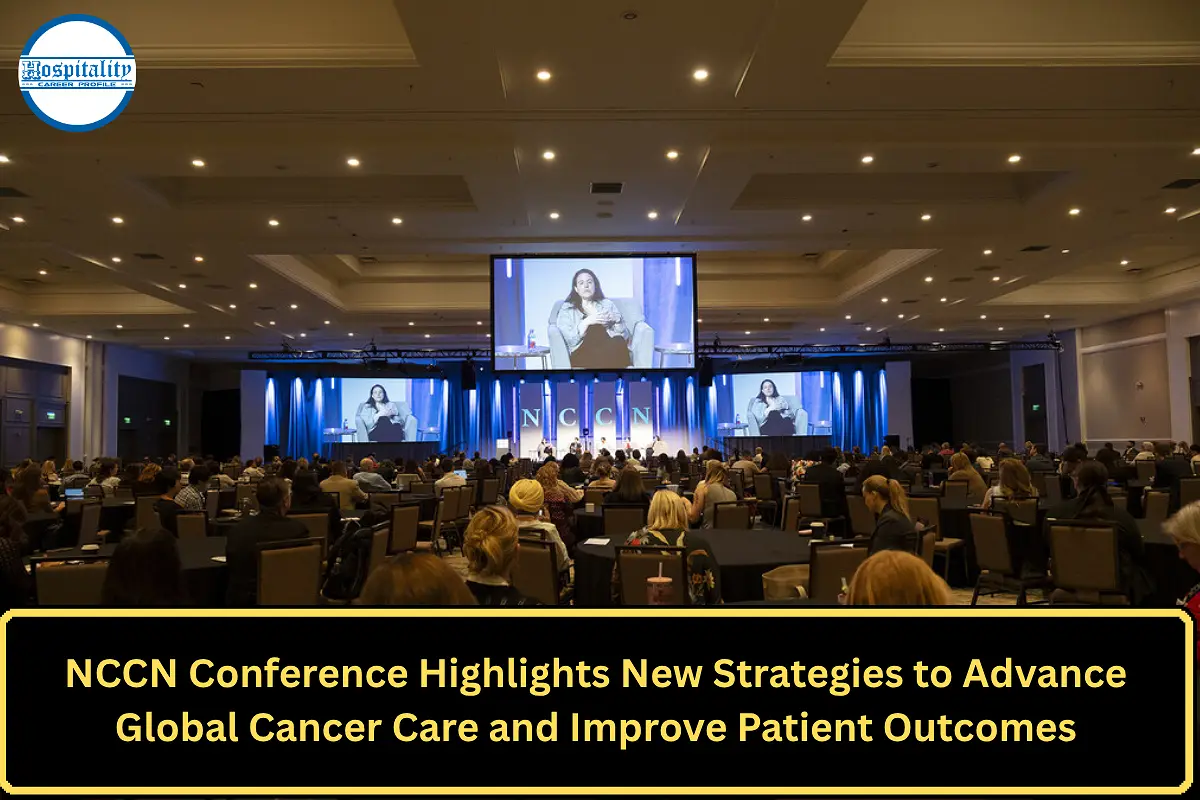
NCCN Conference Highlights New Strategies to Advance Global Cancer Care and Improve Patient Outcomes
Global oncology experts gathered at the NCCN conference in April 2026 to present new strategies aimed at improving cancer care worldwide, focusing on expanding access to treatment, advancing research, and enhancing patient outcomes. The event brought together clinicians, researchers, policymakers, and industry leaders to address critical challenges in cancer care and outline solutions to reduce disparities across regions.
The conference emphasized the urgent need for coordinated global efforts as cancer incidence continues to rise, particularly in low- and middle-income countries. Experts highlighted that improving early detection, ensuring equitable access to therapies, and leveraging technological innovation are key priorities in tackling the global cancer burden.
Rising Global Cancer Burden
Cancer remains one of the leading causes of death worldwide, with increasing incidence driven by aging populations, lifestyle factors, and environmental risks. Experts at the conference noted that while high-income countries have made significant progress in diagnosis and treatment, many regions still face substantial gaps in care.
Limited access to screening programs, shortages of trained healthcare professionals, and inadequate healthcare infrastructure continue to hinder effective cancer management in several parts of the world. Addressing these disparities was a central theme of the discussions.
Participants stressed that a global approach is essential to ensure that advancements in cancer care benefit patients regardless of geographic location.
Focus on Early Detection and Screening
Early detection was identified as one of the most effective ways to improve cancer outcomes. Conference speakers highlighted the importance of expanding screening programs for common cancers such as breast, cervical, and colorectal cancer.
Innovative approaches, including the use of artificial intelligence and digital health tools, are being explored to enhance screening accuracy and reach underserved populations. Mobile health units and community-based programs were also discussed as effective strategies to increase participation in screening initiatives.
Experts emphasized that detecting cancer at an early stage significantly increases the chances of successful treatment and reduces overall healthcare costs.
Advances in Precision Medicine
Precision medicine continues to transform oncology by enabling treatments tailored to individual patients based on genetic and molecular profiles. At the conference, researchers presented new data on targeted therapies and immunotherapies that are improving outcomes for patients with various types of cancer.
These therapies are designed to attack cancer cells more effectively while minimizing damage to healthy tissue, leading to fewer side effects and better quality of life for patients. Advances in genomic testing are also helping clinicians identify the most appropriate treatment options.
However, experts noted that access to precision medicine remains uneven, particularly in resource-limited settings, highlighting the need for broader availability of diagnostic tools and therapies.
Improving Access to Treatment
Ensuring equitable access to cancer treatment was a major focus of the conference. High costs, limited availability of medications, and disparities in healthcare infrastructure continue to prevent many patients from receiving timely care.
Speakers called for policy reforms, increased funding, and stronger partnerships between governments, healthcare providers, and pharmaceutical companies to address these challenges. Efforts to expand access to essential medicines and reduce treatment costs were highlighted as critical steps.
Innovative financing models and public-private collaborations are being explored to improve affordability and availability of cancer therapies globally.
Role of Technology and Digital Health
Technology is playing an increasingly important role in cancer care, from diagnosis to treatment and follow-up. Digital health platforms, telemedicine, and data analytics are helping to bridge gaps in care, particularly in remote and underserved areas.
At the conference, experts discussed how artificial intelligence can assist in diagnosing cancer, predicting treatment responses, and optimizing clinical decision-making. These tools have the potential to improve efficiency and accuracy in oncology care.
Telemedicine has also emerged as a valuable tool for connecting patients with specialists, reducing the need for travel and improving access to expert care.
Strengthening Healthcare Systems
Building robust healthcare systems is essential for delivering effective cancer care. Conference participants emphasized the need for investments in infrastructure, workforce training, and supply chain management to support oncology services.
Strengthening primary healthcare systems can also play a key role in early detection and referral, ensuring that patients receive timely diagnosis and treatment. Integrated care models that coordinate services across different levels of the healthcare system were highlighted as effective approaches.
Experts stressed that sustainable improvements in cancer care require long-term commitment and collaboration among stakeholders.
Patient-Centered Care and Support
The conference also highlighted the importance of patient-centered care, focusing on the physical, emotional, and social needs of individuals living with cancer. Providing comprehensive support services, including counseling, rehabilitation, and palliative care, is essential for improving quality of life.
Patient engagement and education were identified as critical components of effective care, enabling individuals to make informed decisions about their treatment. Survivorship programs are also gaining attention as more patients live longer after cancer treatment.
Experts emphasized that addressing the holistic needs of patients is key to delivering high-quality cancer care.
Global Collaboration and Policy Initiatives
International collaboration is vital for advancing cancer research and improving care delivery. The NCCN conference underscored the importance of sharing knowledge, data, and best practices across borders.
Policy initiatives aimed at strengthening cancer control programs and promoting research were also discussed. Governments and international organizations are working together to develop strategies that address the global cancer burden.
Collaboration between academic institutions, healthcare providers, and industry partners is expected to accelerate innovation and improve access to care.
Future Outlook for Oncology
Looking ahead, experts expressed optimism about the future of cancer care, driven by rapid advancements in research and technology. Continued investment in innovation, combined with efforts to improve access and equity, is expected to transform outcomes for patients worldwide.
Emerging therapies, improved diagnostics, and data-driven approaches are likely to play a significant role in shaping the next generation of oncology care. However, addressing disparities and ensuring that these advancements reach all patients will remain a key challenge.
The conference concluded with a call for sustained global action to build more resilient and inclusive cancer care systems.
Conclusion
The NCCN conference highlighted the need for coordinated global strategies to improve cancer care, emphasizing innovation, access, and collaboration as essential components in reducing the worldwide burden of the disease.