Debate Grows Over Benjamin Netanyahu’s Strategy as Israel’s War With Iran Continues
Political debate is growing in Israel over Prime Minister Benjamin Netanyahu’s strategy in the ongoing war with Iran, as questions emerge about the conflict’s impact on Israeli politics and regional stability.
 SANJANA DUTTA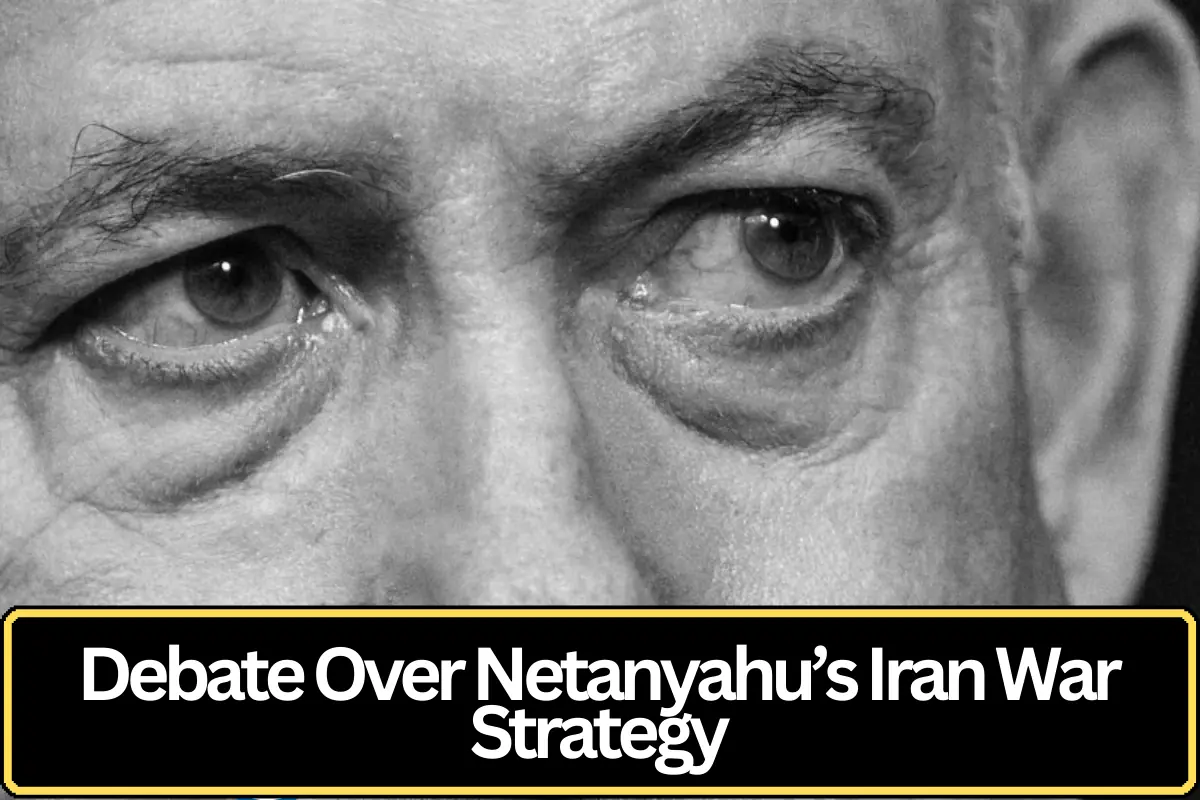
Introduction
The ongoing conflict between Israel and Iran has triggered renewed political debate inside Israel about Prime Minister Benjamin Netanyahu’s strategy and leadership. As Israeli military operations continue against Iranian targets, analysts and political observers are discussing whether the war will strengthen Netanyahu’s political standing or deepen existing divisions within the country.
The confrontation marks one of the most serious escalations between Israel and Iran in recent years. Israeli leaders have described the military campaign as an effort to weaken Iran’s nuclear and missile capabilities and limit its influence across the Middle East. However, the political consequences inside Israel remain uncertain as the war continues.
While national security threats often unite the public during wartime, Israel’s current political environment is complex. Questions about government policy, military objectives, and long‑term regional strategy have become central to the national debate.
Israel’s Military Campaign Against Iran
The war began after Israeli forces launched major airstrikes targeting Iranian military facilities and strategic infrastructure. Israeli officials say the attacks are designed to prevent Iran from expanding its missile programs and nuclear capabilities.
The conflict quickly escalated into a broader regional confrontation. Iran responded with missile and drone attacks targeting Israeli territory and military installations. Air defense systems intercepted many of the incoming projectiles, but the exchange of strikes has raised concerns about the risk of a prolonged regional war.
The United States has supported Israel’s operations and coordinated military actions aimed at weakening Iran’s military infrastructure. The joint effort reflects long‑standing security cooperation between the two allies in the Middle East.
Israeli authorities argue that the campaign is necessary to protect national security and prevent Iran from developing weapons that could threaten Israel and other countries in the region.
Netanyahu’s Long‑Standing Focus on Iran
Prime Minister Benjamin Netanyahu has consistently described Iran as Israel’s most significant strategic threat. Throughout his political career, he has warned about Iran’s nuclear ambitions and its support for armed groups across the Middle East.
Netanyahu has repeatedly called for strong international action to prevent Iran from developing nuclear weapons. In recent years, Israeli intelligence and military operations have targeted Iranian facilities and personnel linked to missile and nuclear development.
The current war represents the most direct confrontation between the two countries. For Netanyahu, the conflict is tied closely to his long‑standing argument that Iran must be stopped from expanding its military capabilities.
Supporters of the government say the campaign demonstrates decisive leadership in addressing what they see as a critical security threat.
Political Impact Inside Israel
The war has sparked a major political discussion inside Israel about its potential impact on domestic politics. In many countries, military conflicts can produce a temporary rise in support for national leaders as citizens rally around the government during crises.
However, Israel’s political landscape has been highly fragmented in recent years. The country has experienced several closely contested elections and deep divisions among political parties.
Some analysts say the Iran war could strengthen Netanyahu’s image as a leader focused on national security. Others argue that public opinion will depend largely on the outcome of the conflict and the level of risk faced by Israeli civilians.
Opposition parties have largely supported the military effort against Iran while continuing to criticize the government on domestic issues such as economic policy and governance.
Public Opinion and Security Concerns
Public opinion in Israel has historically been strongly influenced by national security issues. Many citizens view Iran’s military development as a major threat, particularly because of Tehran’s support for armed groups hostile to Israel.
As a result, military action against Iranian targets has received significant public backing among large segments of Israeli society. Security concerns often dominate political discussions during periods of regional tension.
At the same time, Israeli voters also evaluate leaders based on broader policy issues. Economic conditions, social policy, and political stability continue to play a role in shaping voter attitudes.
This combination of security concerns and domestic political debates creates a complex environment for political leaders during wartime.
Regional Tensions and Global Attention
The conflict between Israel and Iran has drawn significant international attention. Governments across the world are monitoring the situation closely due to concerns about regional stability and the potential impact on global security.
The Middle East is already affected by multiple conflicts and political tensions. A direct war between Israel and Iran has the potential to affect neighboring countries and disrupt international trade and energy markets.
Diplomatic efforts by global powers have focused on preventing the conflict from expanding further across the region. Some governments have urged restraint while calling for dialogue to reduce tensions.
At the same time, both Israel and Iran have indicated that they are prepared to continue military operations if necessary.
The Strategic Goals of the War
Israeli officials say the primary objective of the campaign is to weaken Iran’s military infrastructure and reduce the threat posed by its missile and nuclear programs. Military planners have focused on targeting facilities linked to these programs.
The war has also highlighted the broader strategic rivalry between Israel and Iran. Tehran has built alliances with armed groups in several Middle Eastern countries, including Lebanon and Syria.
Israel considers these alliances a direct security challenge because they create multiple fronts that could be used in future conflicts. Military operations against Iran are therefore viewed as part of a broader strategy to reduce regional threats.
However, experts note that achieving long‑term strategic goals may require more than military action. Diplomatic and political efforts are likely to play an important role in shaping the future balance of power in the region.
Challenges Facing Israel’s Government
The Israeli government faces several challenges as the war continues. Military operations carry risks, including the possibility of escalation with other regional actors and the potential for civilian casualties.
Security officials must also ensure that Israel’s defense systems remain prepared for possible retaliation. Iran and allied groups have previously launched missile and drone attacks targeting Israeli territory.
At the same time, the government must manage domestic concerns about economic stability and public safety. Extended military operations can place pressure on national resources and disrupt normal economic activity.
Balancing military objectives with domestic political considerations is therefore a key challenge for Israeli leadership.
Political Debate About Long‑Term Strategy
Within Israel, analysts and political commentators are debating the long‑term implications of the war. Some argue that confronting Iran militarily could reshape the security environment in the Middle East.
Others warn that prolonged conflict could deepen regional instability and create new security risks. They argue that a long‑term solution may require diplomatic engagement in addition to military action.
These debates reflect broader disagreements about Israel’s strategic priorities and the best approach to managing threats from Iran and its allies.
The outcome of the conflict could influence Israel’s political landscape for years to come.
The Future of Israeli Politics
The war with Iran is likely to remain a central issue in Israeli politics in the coming months. Political leaders from across the spectrum are closely watching how the conflict affects public opinion and national security.
If the military campaign achieves its strategic goals, it could strengthen the government’s position. However, setbacks or prolonged fighting could produce greater political pressure.
Israel’s coalition‑based political system often leads to shifting alliances and intense competition among parties. National security events frequently influence electoral dynamics and political debates.
As a result, the political impact of the war will depend not only on military outcomes but also on broader economic and social factors.
Conclusion
The ongoing war between Israel and Iran has become one of the most significant geopolitical developments in the Middle East. While the conflict is centered on security concerns and military operations, it is also shaping political discussions within Israel.
Prime Minister Benjamin Netanyahu’s strategy toward Iran has long been a defining element of his leadership. The current conflict places that strategy at the center of both national security policy and domestic political debate.
As the situation develops, the outcome of the war and its impact on regional stability will likely continue to influence Israel’s political landscape and the broader dynamics of Middle East politics.