New Medical Research Highlights Breakthroughs in AI Diagnostics and Disease Detection
Recent medical research highlights breakthroughs in AI diagnostics, early disease detection, and new treatment approaches that could transform healthcare.
 Akanksha jain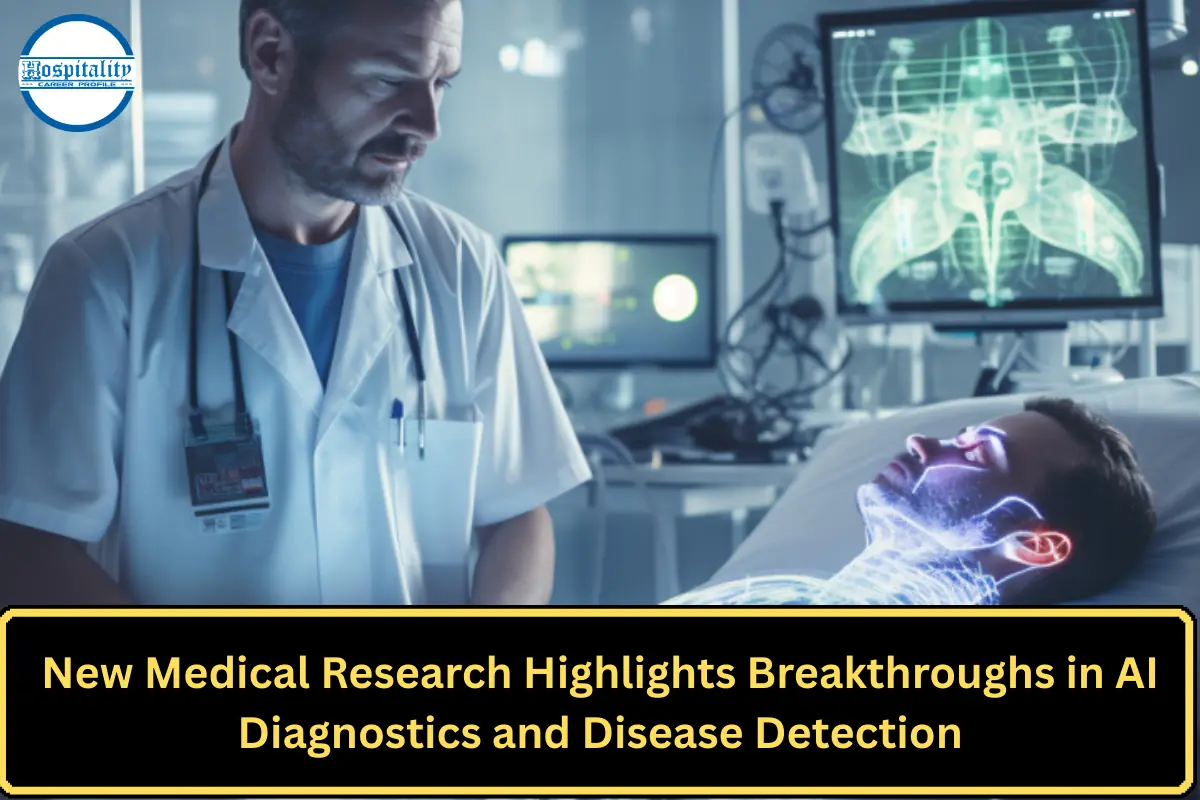
Recent scientific research is highlighting how emerging technologies and medical discoveries could transform the future of healthcare. From artificial intelligence‑powered diagnostics to breakthroughs in disease treatment, scientists are developing new tools to detect and manage illnesses earlier and more effectively.
AI Transforming Medical Diagnostics
Artificial intelligence is increasingly playing a major role in healthcare innovation. Researchers have developed AI systems capable of analyzing medical images, large datasets, and biological signals with remarkable speed and accuracy.
In one study, an advanced AI system was able to analyze brain MRI scans in seconds and identify neurological conditions with an accuracy of up to 97.5%, helping doctors determine which cases require urgent treatment.
Experts say such tools could reduce pressure on healthcare systems while allowing physicians to diagnose patients faster and more precisely.
Early Detection of Hidden Diseases
Scientists are also exploring new methods for detecting diseases long before symptoms appear. Researchers have developed experimental blood tests that use artificial intelligence to analyze fragments of DNA circulating in the bloodstream.
These tests may be able to identify early signs of liver damage, including conditions such as these, years before patients experience noticeable symptoms. Early diagnosis could allow doctors to begin treatment sooner and prevent severe complications.
Advances in Treatment Research:
Alongside diagnostic breakthroughs, scientists are also investigating new treatment approaches for serious diseases. For example, experimental medicines are being developed to treat rare neurological conditions such as a severe form of epilepsy that affects children.
In clinical trials, one experimental therapy reduced seizure frequency by up to 91 percent, offering hope for families affected by the condition.
The Future of Medical Research
Researchers say the combination of artificial intelligence, genetic science, and advanced medical technology is accelerating the pace of discovery. These innovations could help healthcare providers diagnose diseases earlier, personalize treatments, and improve patient outcomes.
While many of these technologies are still being tested, experts believe they represent an important step toward more precise and effective healthcare systems in the future.