Next-Generation Proteomics Advances Unlock Deeper Insights Into Human Biology
Advances in next-generation proteomics are enabling scientists to decode complex protein interactions, improving understanding of diseases and accelerating precision medicine.
 Akanksha jain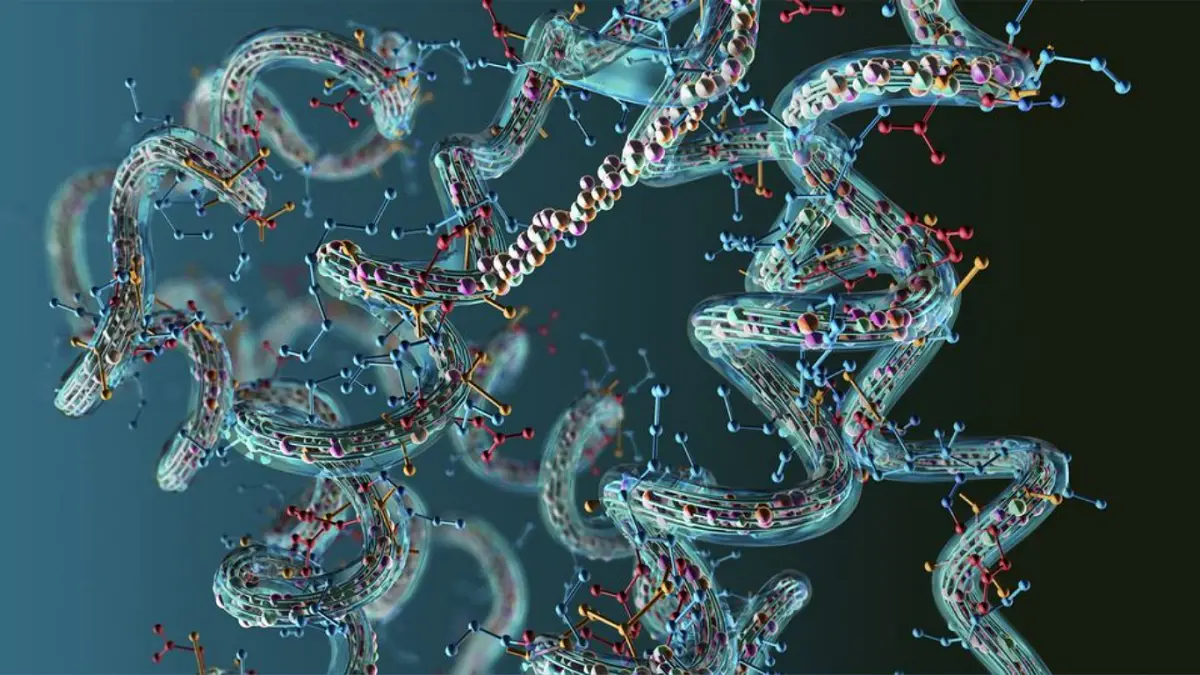
Advances in next-generation proteomics are enabling scientists to decode complex protein interactions with unprecedented precision, offering new insights into human biology and disease mechanisms, according to research developments reported in April 2026.
Proteomics, the large-scale study of proteins, is becoming a critical tool in modern medical science by providing a functional understanding of how diseases develop and progress.
Shift from Genomics to Functional Protein Analysis
While genomics focuses on genetic information, proteomics examines the dynamic behavior of proteins, which directly control most cellular processes.
- Proteins reflect real-time cellular activity
- Capture post-translational modifications
- Reveal complex biological interactions
Next-generation proteomics enables researchers to analyze thousands of proteins simultaneously, bridging the gap between genetic data and actual physiological outcomes.
Technological Advances Driving Proteomics Growth
Recent innovations have significantly improved the accuracy and speed of proteomic analysis.
- High-resolution mass spectrometry
- Advanced computational biology tools
- Artificial intelligence in data analysis
These technologies allow scientists to identify and quantify proteins with high sensitivity, even in complex biological samples.
Applications in Disease Research and Diagnosis
Proteomics is playing a key role in understanding diseases at the molecular level and identifying biomarkers.
- Cancer research and tumor profiling
- Neurodegenerative disease studies
- Cardiovascular disease analysis
Biomarkers discovered through proteomics can support early diagnosis, disease monitoring, and targeted treatment strategies.
Role in Precision Medicine and Drug Development
Proteomics is central to precision medicine, enabling treatments tailored to individual biological profiles.
- Identification of therapeutic targets
- Monitoring drug response
- Reducing failure rates in clinical trials
In drug development, proteomics helps evaluate how experimental drugs affect cellular pathways, improving efficiency and safety.
Challenges and Future Outlook
Despite its potential, proteomics faces several challenges:
- Complex protein structures
- Variability in biological samples
- Need for standardized methods
- High computational requirements
Ongoing research aims to improve data reproducibility, integrate multi-omics approaches, and enhance accessibility of proteomics technologies.
As the field evolves, next-generation proteomics is expected to play a transformative role in healthcare by enabling more precise diagnostics and advanced therapeutic strategies.
FAQs
What is next-generation proteomics?
It is an advanced approach to studying proteins on a large scale, enabling detailed analysis of protein interactions and functions in biological systems.
How is proteomics different from genomics?
Genomics studies genes, while proteomics focuses on proteins, which directly control cellular processes and disease mechanisms.
Why is proteomics important in medicine?
It helps identify disease biomarkers, supports early diagnosis, and enables precision medicine and targeted therapies.
What technologies are used in proteomics?
Key technologies include mass spectrometry, computational biology tools, and artificial intelligence for data analysis.