NITI Aayog Warns Dietary Shift May Harm Gut Health, Highlights India’s Growing Role in Probiotics
NITI Aayog warns that changing dietary patterns may harm gut health while highlighting India’s emerging leadership in the global probiotics movement.
 Akanksha jain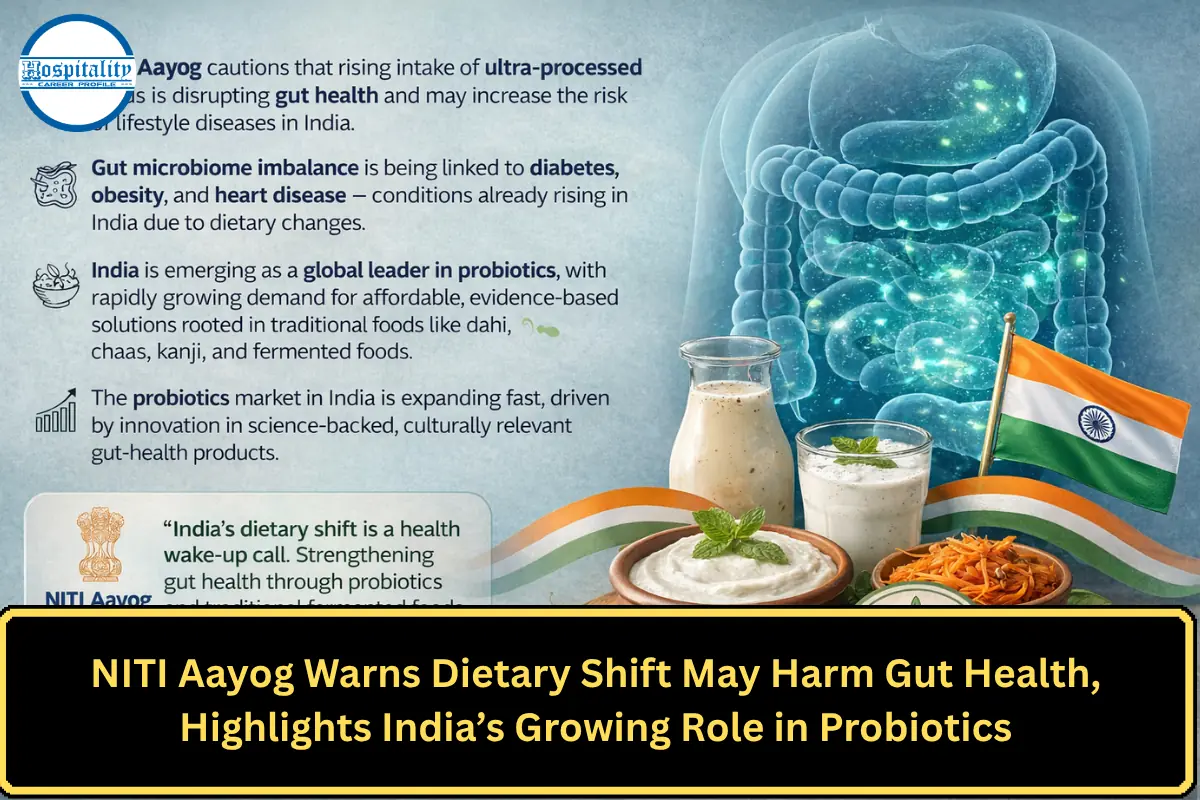
NITI Aayog Warns Dietary Shift May Harm Gut Health, Highlights India’s Growing Role in Probiotics
NITI Aayog has raised concerns over changing dietary patterns in India that may negatively impact gut health while also emphasizing the country’s emerging leadership in the global probiotics movement, officials said in March 2026. The advisory comes amid increasing consumption of processed foods and declining intake of traditional diets, prompting policymakers to call for urgent attention to digestive health and nutrition.
Speaking on the issue, experts associated with the policy think tank highlighted that rapid urbanization, lifestyle changes, and evolving food habits are altering the gut microbiome of millions of Indians. These changes, they warned, could contribute to a rise in digestive disorders, weakened immunity, and other chronic health conditions.
Shift Away from Traditional Diets
India’s traditional diets, rich in fiber, fermented foods, and diverse nutrients, have long supported a healthy gut microbiome. However, experts note that these diets are increasingly being replaced by highly processed foods that are low in fiber and high in sugar, salt, and unhealthy fats.
The shift is particularly evident in urban areas, where fast food consumption and convenience eating have become more common. According to health experts, such dietary patterns can disrupt the balance of beneficial bacteria in the gut, leading to long-term health consequences.
Officials stressed that preserving traditional eating habits could play a crucial role in maintaining digestive health and preventing disease.
Impact on Gut Microbiome
The gut microbiome, a complex ecosystem of microorganisms in the digestive system, plays a vital role in overall health. It influences digestion, nutrient absorption, immune function, and even mental well-being.
NITI Aayog warned that poor dietary choices can reduce microbial diversity in the gut, making individuals more susceptible to infections, inflammation, and metabolic disorders. The loss of beneficial bacteria may also contribute to conditions such as irritable bowel syndrome, obesity, and diabetes.
Experts emphasized that maintaining a balanced microbiome is essential for long-term health and disease prevention.
Rising Importance of Probiotics
Amid these concerns, India is emerging as a significant player in the global probiotics movement. Probiotics, which are live beneficial bacteria found in certain foods and supplements, are gaining popularity for their role in improving gut health.
Traditional Indian foods such as curd, buttermilk, and fermented products naturally contain probiotics, making them an accessible and cost-effective option for supporting digestive health. The growing awareness of these benefits is driving increased demand for probiotic products in the country.
Industry experts believe that India has the potential to become a global hub for probiotic research, production, and innovation.
Public Health Implications
The warning from NITI Aayog highlights broader public health concerns related to diet and lifestyle changes. Poor gut health has been linked to a range of health issues, including weakened immunity, chronic inflammation, and increased risk of non-communicable diseases.
Officials stressed that addressing these challenges requires a multi-faceted approach, including public awareness campaigns, policy interventions, and collaboration between healthcare providers and the food industry.
Promoting healthier dietary habits is seen as a key strategy in reducing the burden of disease and improving population health outcomes.
Encouraging Healthier Food Choices
Experts are urging individuals to adopt diets that support gut health, including increased consumption of fiber-rich foods, fruits, vegetables, and fermented products. Reducing the intake of processed foods and sugary beverages is also recommended.
Nutrition education and awareness campaigns are being emphasized as essential tools in encouraging healthier food choices. Schools, workplaces, and communities are being identified as important platforms for promoting dietary awareness.
Healthcare professionals are also being encouraged to include gut health guidance as part of routine consultations.
Role of Policy and Regulation
NITI Aayog is exploring policy measures to address dietary challenges and promote healthier eating habits. These may include guidelines for food labeling, incentives for producing healthier food options, and regulations to limit the marketing of unhealthy products.
Officials highlighted the need for coordinated efforts between government agencies, industry stakeholders, and public health organizations to create an environment that supports better nutrition.
Strengthening regulatory frameworks is expected to play a crucial role in shaping consumer behavior and improving dietary patterns.
Opportunities for Innovation
The growing focus on gut health presents significant opportunities for innovation in the food and healthcare sectors. Companies are investing in research and development to create new probiotic products, functional foods, and personalized nutrition solutions.
India’s strong base in biotechnology and pharmaceuticals is expected to support advancements in this area. Experts believe that innovation can help bridge the gap between traditional knowledge and modern science.
The integration of technology and research is likely to drive growth in the probiotics market and enhance its global competitiveness.
Challenges Ahead
Despite the opportunities, challenges remain in addressing dietary changes and improving gut health. These include limited awareness, affordability of healthy foods, and resistance to changing established eating habits.
Experts note that sustained efforts will be required to overcome these barriers and achieve meaningful improvements in public health. Collaboration between stakeholders will be essential in implementing effective solutions.
Ensuring access to affordable, nutritious food options remains a key priority for policymakers.
Future Outlook
The warning from NITI Aayog reflects a growing recognition of the importance of gut health in overall well-being. As awareness increases, individuals are expected to place greater emphasis on dietary choices and preventive healthcare.
India’s leadership in the probiotics movement is likely to strengthen in the coming years, supported by research, innovation, and policy initiatives. The focus on gut health is expected to shape future healthcare strategies and consumer behavior.
Experts believe that integrating traditional dietary practices with modern nutritional science can provide a sustainable path forward.
Conclusion
NITI Aayog’s warning underscores the need to address changing dietary habits and prioritize gut health, as India positions itself as a key player in the global probiotics landscape while promoting healthier lifestyles.