Can an Old Pacemaker Stay in the Heart? Cardiologists Explain the Risks and Medical Decisions
Cardiologists explain why old pacemakers are sometimes left inside the heart, the potential risks involved, and how doctors decide whether removal is necessary.
 Akanksha jain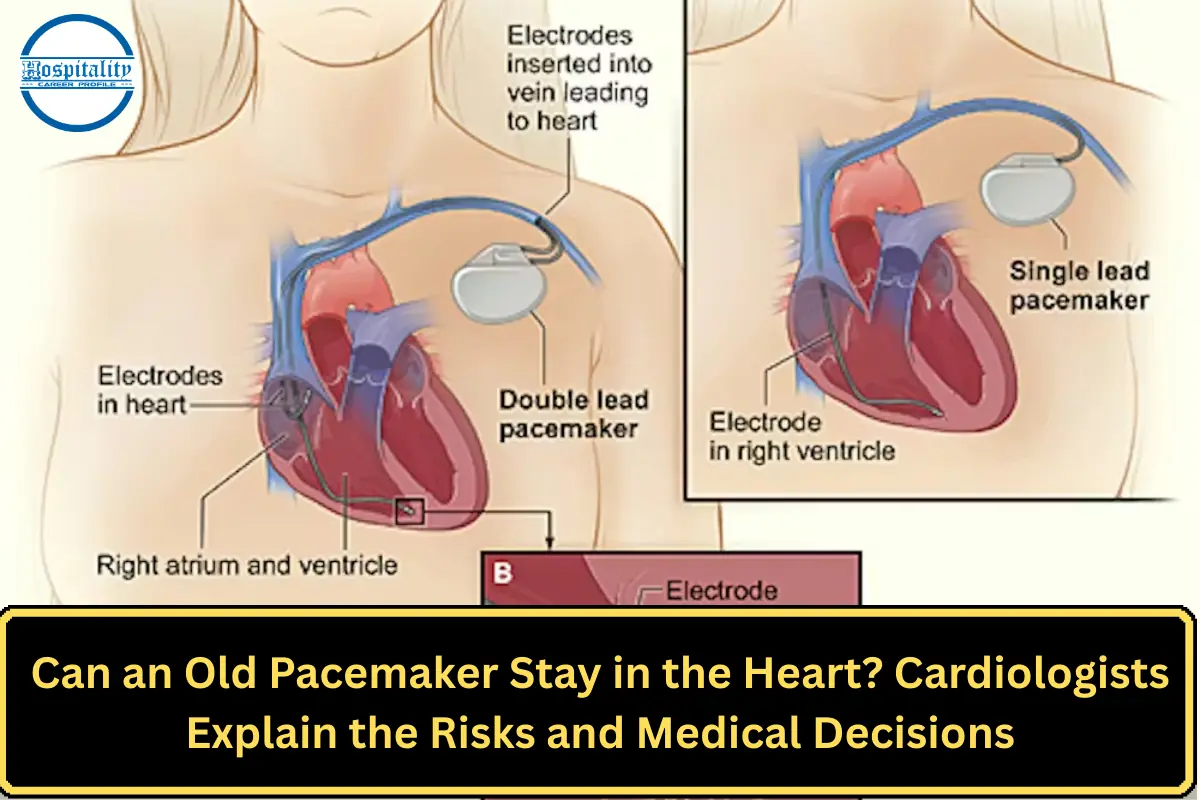
Patients who rely on a pacemaker to regulate heart rhythm may eventually need a replacement device as batteries run out or technology improves. In some cases, the older pacemaker or its leads may remain inside the body, raising questions about whether it is safe to leave the device in place.
According to cardiologists, the decision to remove or leave an old pacemaker depends on several medical factors, including the patient’s overall health, the condition of the device's leads, and the potential risks associated with surgery.
Why Pacemakers Are Replaced:
Pacemakers are small electronic devices implanted in the chest to help control abnormal heart rhythms, often caused by conditions such as these. The device sends electrical signals to maintain a steady heartbeat.
Most pacemaker batteries last between five and fifteen years. When the battery approaches the end of its life, doctors typically replace the pulse generator—the main device—while the leads that connect the pacemaker to the heart may remain in place.
Why Old Leads Are Sometimes Left Inside
Removing pacemaker leads can be technically complex because they become embedded in heart tissue and blood vessels over time. Extraction procedures carry risks such as bleeding, vessel damage, or heart injury.
For this reason, specialists may choose to leave older leads inside the body if they are not causing problems. Instead, a new lead may be inserted alongside the existing one during a replacement procedure.
Potential Risks of Leaving Old Pacemaker Components
Although many patients live safely with abandoned leads, doctors still monitor for possible complications. These may include infections, interference between leads, or blockage of blood vessels.
In rare situations, doctors may recommend removing older pacemaker components if they pose a risk or interfere with the functioning of a new device.
How Doctors Make the Decision:
Cardiologists assess several factors before deciding whether to extract or leave an old pacemaker lead in place. These include the patient’s age, overall health, the number of existing leads, and whether there are signs of infection or device malfunction.
Experts say the goal is always to balance safety and effectiveness. In many cases, leaving older leads in place can avoid unnecessary surgical risk while still allowing the new pacemaker to function properly.
Patients with pacemakers are encouraged to attend regular follow‑up appointments so doctors can monitor device performance and detect any potential complications early.