Opposition Targets Narendra Modi Over Manipur Violence and Iran Crisis Response
Opposition leaders criticise PM Narendra Modi over his response to Manipur unrest and the Iran crisis, accusing the government of politicising serious national and global issues.
 SANJANA DUTTA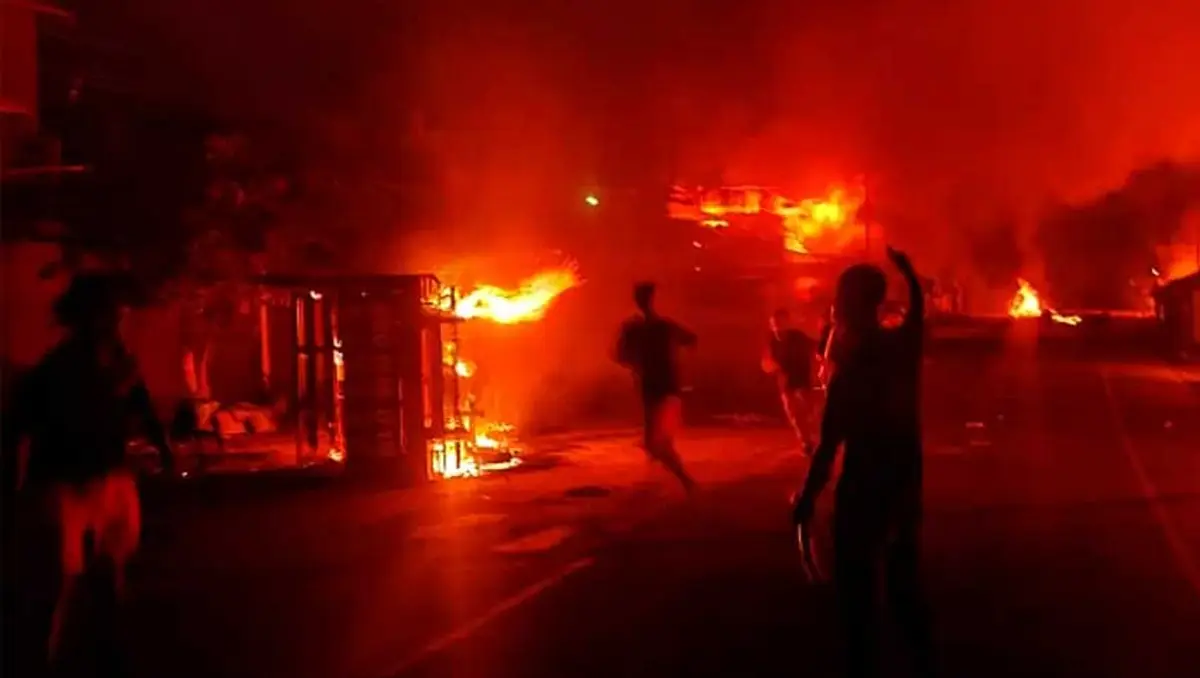
Opposition Criticises Modi Over Manipur Violence and Iran Crisis Response
NEW DELHI, April 20, 2026 — Opposition leaders have intensified criticism of Prime Minister Narendra Modi over his handling of the ongoing situation in Manipur and India’s response to the escalating Iran crisis, accusing the government of prioritising political messaging over addressing pressing national and international challenges.
Opposition Targets Government Over Dual Crises
Political leaders from opposition parties have raised concerns about the Centre’s response to continued unrest in Manipur, alongside its positioning on the evolving geopolitical tensions in West Asia. Critics argue that both issues require focused governance and clear policy action, rather than what they describe as politically driven narratives.
The remarks come amid ongoing reports of instability in Manipur, where law and order concerns have persisted for months. Opposition leaders have questioned the government’s approach, alleging inadequate intervention and delayed response in stabilising the situation.
At the same time, India’s stance on the Iran crisis, particularly in the context of rising tensions around the Strait of Hormuz and global energy disruptions, has drawn scrutiny. Opposition figures have called for greater clarity and transparency in the government’s diplomatic and strategic positioning.
Criticism of Political Messaging
Opposition leaders have accused the Prime Minister of focusing on political rhetoric rather than substantive policy measures. They contend that public statements and political positioning have overshadowed the need for decisive administrative and diplomatic action.
According to opposition voices, national security and humanitarian concerns should take precedence over electoral considerations. They have urged the government to adopt a more measured and policy-oriented approach in dealing with both domestic unrest and international crises.
The criticism reflects broader tensions between the ruling establishment and opposition parties, particularly during a period marked by multiple political developments and election-related activities.
Manipur Situation Remains Key Concern
The situation in Manipur continues to be a focal point of political debate, with opposition leaders highlighting ongoing challenges related to security, displacement, and governance. They have called for stronger central intervention to restore normalcy and ensure the safety of affected communities.
The government, for its part, has maintained that efforts are underway to manage the situation, including deployment of security forces and coordination with state authorities. However, opposition parties have argued that more comprehensive measures are required to address the root causes of the unrest.
The issue has also been raised in broader political discourse, with demands for accountability and detailed updates on the status of relief and rehabilitation efforts.
Iran Crisis Adds Pressure on Government
The escalating conflict involving Iran has added another layer of complexity to India’s policy challenges. The situation has implications for global oil markets, trade routes, and regional stability, all of which are closely monitored by policymakers.
Opposition leaders have questioned whether the government’s response adequately reflects India’s strategic interests, particularly in safeguarding energy security and maintaining diplomatic balance in the region.
The crisis has also contributed to rising global uncertainty, with potential economic impacts, including fluctuations in oil prices, adding to domestic concerns.
Political Context and Ongoing Debate
The criticism of the Prime Minister comes at a time of heightened political activity, with multiple elections and campaign efforts underway across the country. Political parties are increasingly using national and international developments as part of their broader narratives.
Observers note that issues such as internal security and foreign policy often become central points of debate during election cycles, influencing public discourse and political positioning.
The government has not formally responded to the latest round of criticism, but the debate underscores the continuing divide between the ruling party and opposition over governance priorities and policy responses.
As both the Manipur situation and the Iran crisis evolve, the focus is expected to remain on how the government balances domestic responsibilities with international strategic considerations.