Organ Donation Saves Multiple Lives, Highlights Growing Importance of Transplant Awareness in India
A single organ donation transforms multiple lives, underscoring the importance of awareness, timely consent, and strengthening transplant systems in India.
 Akanksha jain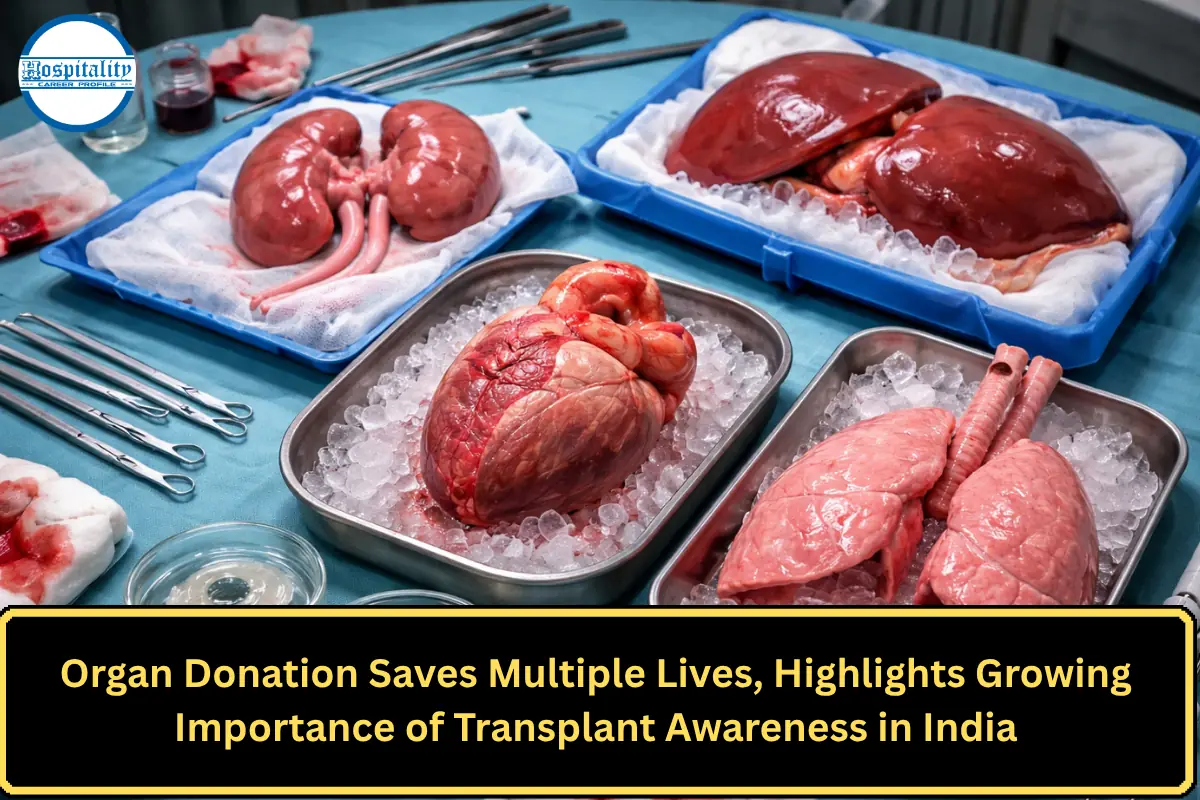
Organ Donation Saves Multiple Lives, Highlights Growing Importance of Transplant Awareness in India
A single organ donation has helped save and improve multiple lives, highlighting the critical importance of organ donation awareness in India, according to recent health reports in March 2026. The case underscores how timely consent and efficient transplant coordination can offer life-saving opportunities to patients suffering from end-stage organ failure across the country.
Medical experts said that one donor can save several lives by donating vital organs such as the heart, liver, kidneys, lungs, and pancreas, while also improving recipients' quality of life through tissue donations. The development has renewed focus on the need to strengthen India’s organ donation ecosystem and encourage more individuals to pledge their organs.
The Life-Saving Impact of a Single Donation
Healthcare professionals involved in the transplant process emphasized that organ donation can create a ripple effect, benefiting multiple patients in critical need. In this case, organs retrieved from a single donor were successfully transplanted into several recipients, each of whom was battling life-threatening conditions.
Doctors noted that such instances demonstrate the immense potential of organ donation in bridging the gap between demand and availability. Thousands of patients remain on waiting lists for transplants, often facing long delays due to a shortage of donors.
The success of this case highlights how coordinated efforts among hospitals, transplant teams, and regulatory authorities can maximize the impact of a single donation.
Rising Demand for Organ Transplants
The demand for organ transplants in India has been steadily increasing due to a rise in chronic diseases such as kidney failure, liver disease, and heart conditions. Experts estimate that a significant number of patients require transplants each year, but only a fraction receive them due to limited donor availability.
Kidney transplants remain the most common, followed by liver and heart transplants. However, the gap between demand and supply continues to pose a major challenge for the healthcare system.
Medical professionals stress that increasing awareness and improving infrastructure are essential to addressing this imbalance and ensuring timely treatment for patients in need.
Importance of Awareness and Consent
One of the key barriers to organ donation is the lack of awareness and misconceptions surrounding the process. Experts noted that many potential donors and their families are unaware of the procedures, legal frameworks, and benefits associated with organ donation.
Timely consent from families plays a crucial role, particularly in cases of deceased donation. Healthcare providers are working to educate the public about the importance of making informed decisions and discussing organ donation preferences with family members.
Awareness campaigns are being intensified to encourage more people to register as donors and support life-saving initiatives.
Strengthening the Transplant Ecosystem
Officials highlighted the need to strengthen the country’s transplant infrastructure to support the growing demand. This includes improving hospital capabilities, enhancing coordination between institutions, and streamlining organ allocation systems.
The use of digital platforms and centralized registries is helping to improve transparency and efficiency in organ distribution. These systems enable better matching of donors and recipients, reducing waiting times and increasing success rates.
Investments in training healthcare professionals and upgrading medical facilities are also being prioritized to ensure high-quality transplant services.
Role of Government and Policy Support
The government has been actively promoting organ donation through policy initiatives and public awareness campaigns. Efforts are being made to simplify procedures, strengthen legal frameworks, and encourage participation from both public and private healthcare providers.
Officials emphasized that collaboration between government agencies, hospitals, and non-governmental organizations is essential for building a robust organ donation network. Policies aimed at improving the accessibility and affordability of transplant procedures are also being implemented.
These measures are expected to create a more supportive environment for organ donation and transplantation.
Ethical and Medical Considerations
Organ donation and transplantation involve complex ethical and medical considerations, including ensuring informed consent, maintaining transparency, and adhering to strict medical guidelines. Experts stressed the importance of ethical practices in building trust and encouraging public participation.
Medical teams follow rigorous protocols to ensure the safety and success of transplant procedures. Continuous monitoring and post-transplant care are essential to achieving positive outcomes for recipients.
Maintaining high ethical standards is seen as critical for sustaining the growth of organ donation programs.
Stories of Hope and Recovery
Recipients of organ transplants often experience significant improvements in their quality of life, enabling them to return to normal activities and regain independence. Such success stories serve as powerful reminders of the life-changing impact of organ donation.
Families of donors also find solace in knowing that their loved ones have contributed to saving lives, creating a legacy of compassion and generosity. These narratives play an important role in inspiring others to consider organ donation.
Healthcare professionals believe that sharing such stories can help overcome fears and misconceptions associated with the process.
Challenges and the Way Forward
Despite progress, several challenges remain, including limited awareness, cultural barriers, and logistical constraints. Experts noted that addressing these issues requires sustained efforts, including education, policy support, and infrastructure development.
Expanding donor registries, improving emergency response systems, and enhancing coordination among stakeholders are key priorities for the future. Leveraging technology and data analytics is also expected to improve efficiency in organ allocation.
Stakeholders emphasized the importance of a multi-pronged approach to overcome barriers and maximize the impact of organ donation initiatives.
Future Outlook
The growing recognition of organ donation as a life-saving intervention is expected to drive increased participation and support for transplant programs. Experts believe that continued awareness efforts and policy initiatives will play a crucial role in shaping the future of organ donation in India.
As healthcare systems evolve, the integration of advanced technologies and improved coordination mechanisms is likely to enhance transplant outcomes. The focus on building a strong donation culture is expected to reduce waiting times and save more lives.
The recent case serves as a reminder of the transformative power of organ donation and the importance of collective action in addressing healthcare challenges.
Conclusion
A single organ donation has once again demonstrated its life-saving potential, reinforcing the urgent need to promote awareness, strengthen systems, and encourage more individuals to contribute to this vital cause.