Organ Freezing Breakthrough Brings On-Demand Transplants Closer
organ freezing could transform transplants breakthrough , as scientists discover how to prevent cracking during cryopreservation.
 Shah Vaibhavi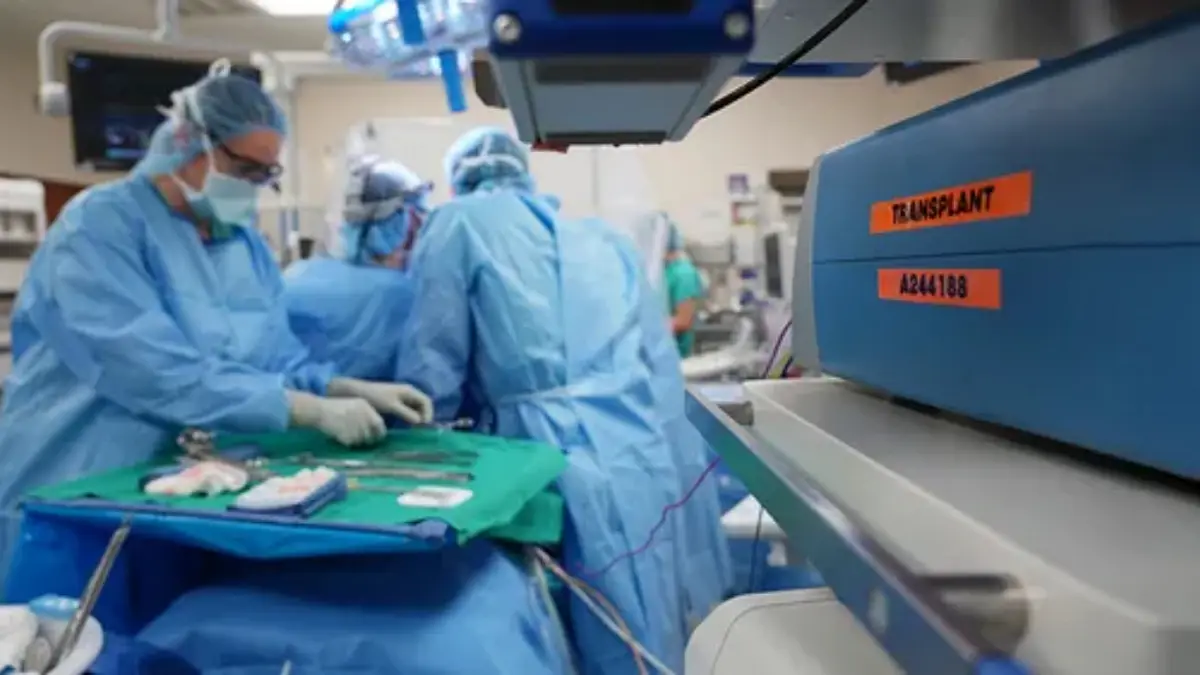
Organ Freezing Breakthrough Could Transform Transplants
A major organ freezing breakthrough is bringing the possibility of on-demand transplants closer to reality. Scientists have discovered a new way to prevent organs from cracking during ultra-cold preservation, solving one of the biggest challenges in cryopreservation.
This organ freezing breakthrough focuses on improving how tissues behave when cooled to extremely low temperatures. By refining the process, researchers aim to safely store organs for extended periods, potentially eliminating the urgent time constraints that currently define transplant procedures.
The Science Behind Cryopreservation
Cryopreservation involves cooling biological tissues to preserve them for future use. A key method used in this process is vitrification, where organs are cooled into a glass-like state instead of forming damaging ice crystals.
However, one major obstacle has been cracking. When organs freeze too quickly or unevenly, internal stress can cause fractures, making them unusable. This issue has limited the ability to store larger organs like kidneys, hearts, and livers.
Researchers at Texas A&M University have now identified a critical factor in reducing this risk — the glass transition temperature. This is the point at which the preservation solution turns into a stable, glass-like state.
Preventing Cracks with Better Temperature Control
The organ freezing breakthrough reveals that increasing the glass transition temperature can significantly reduce cracking. By carefully designing preservation solutions that reach this state more effectively, scientists can protect the structural integrity of organs during freezing.
This discovery gives researchers a clearer roadmap for developing safer cryopreservation techniques. Instead of trial and error, scientists can now strategically design solutions that balance both stability and compatibility with living tissue.
Why This Matters for the Future
The implications of this organ freezing breakthrough are enormous. If organs can be safely stored for long periods, it could revolutionize transplant medicine by allowing doctors to perform surgeries when conditions are optimal rather than rushed.
Beyond healthcare, improved cryopreservation could benefit vaccine storage, food preservation, and biodiversity conservation. It opens doors to preserving biological materials at a scale that was previously impossible.
While more research is needed before human application, this discovery marks a critical step forward. The vision of organ banks — where life-saving organs are available whenever needed — is now closer than ever.