Peer-Reviewed Study Finds Paradigm Health Tools Improve Clinical Trial Efficiency and Data Quality
A peer-reviewed study finds Paradigm Health’s study conduct tools improve clinical trial efficiency, data quality, and site performance across research settings.
 Akanksha jain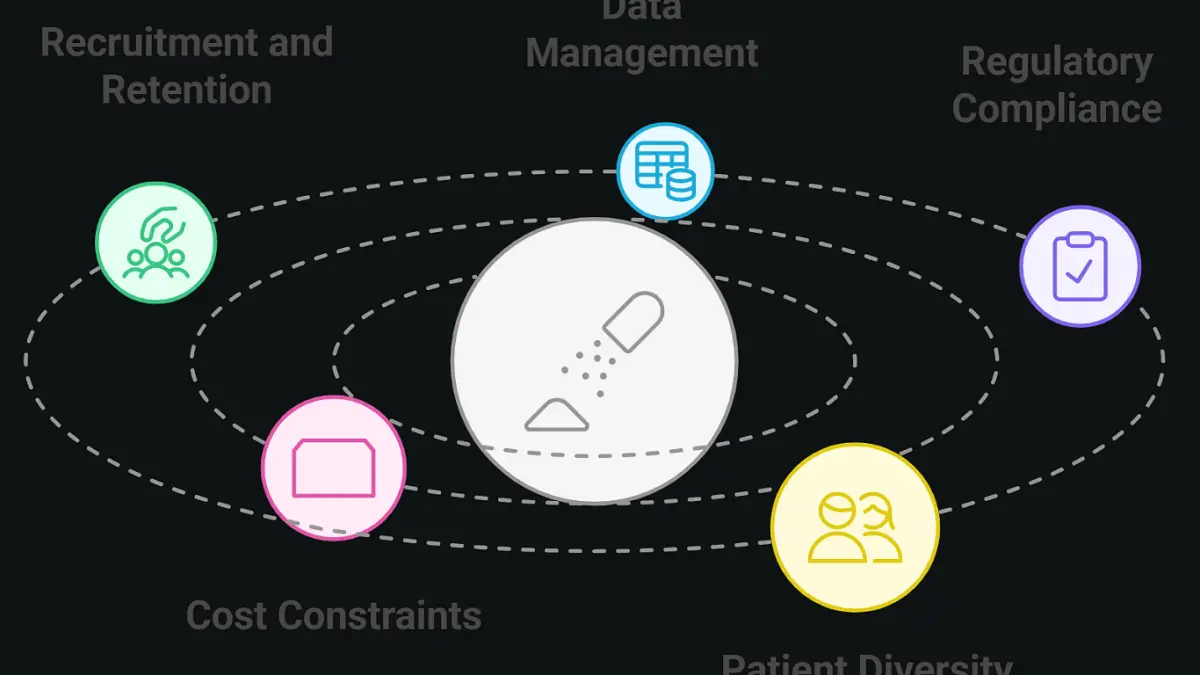
A peer-reviewed study released in April has demonstrated that study conduct tools developed by Paradigm Health can significantly improve clinical trial efficiency and data quality, highlighting their potential to streamline research processes and enhance performance across trial sites.
The findings are based on an evaluation of Paradigm Health’s technology solutions used in clinical research settings, focusing on their impact on operational efficiency, data accuracy, and overall trial execution. The study provides evidence supporting the role of digital tools in addressing long-standing challenges in clinical trials, including delays, data inconsistencies, and administrative burden.
Improved Efficiency in Clinical Trial Operations
The research found that the use of Paradigm Health’s study conduct products was associated with measurable improvements in clinical trial efficiency. These tools are designed to support site workflows, automate routine processes, and facilitate real-time data capture.
By reducing manual tasks and streamlining communication between research teams, the technology helps accelerate key trial activities such as patient enrollment, monitoring, and data reporting. This improved efficiency can contribute to shorter study timelines and reduced operational costs.
The study highlights that enhancing efficiency is critical for clinical trials, which often face delays due to complex protocols and resource constraints.
Enhanced Data Quality and Accuracy
In addition to operational gains, the study reports improvements in data quality among sites using the study conduct tools. Accurate and reliable data is essential for ensuring the validity of clinical trial outcomes and supporting regulatory approvals.
The technology enables more consistent data entry and validation, reducing the likelihood of errors and discrepancies. Real-time data capture also allows for quicker identification and resolution of issues, improving overall data integrity.
Researchers noted that improved data quality can enhance confidence in trial results and support more robust scientific conclusions.
Impact on Site Performance and Workflow
The study also examined the impact of the tools on site performance, finding that research teams experienced more streamlined workflows and better coordination of trial activities. The technology supports task management and communication, helping sites manage complex study requirements more effectively.
Improved workflow efficiency can reduce the administrative burden on clinical staff, allowing them to focus more on patient care and study outcomes. This is particularly important in high-demand research environments where resources are limited.
The findings suggest that digital tools can play a key role in optimizing site operations and improving the overall conduct of clinical trials.
Addressing Challenges in Clinical Research
Clinical trials are often hindered by challenges such as slow recruitment, data inconsistencies, and regulatory complexities. The study indicates that technology-driven solutions like those developed by Paradigm Health can help address these issues by providing integrated platforms for managing trial activities.
By improving coordination and data management, such tools can enhance the reliability and efficiency of clinical research. This is particularly relevant as the demand for faster and more cost-effective trials continues to grow.
The study adds to a growing body of evidence supporting the adoption of digital technologies in clinical research to improve outcomes and reduce inefficiencies.
Implications for the Future of Clinical Trials
The findings underscore the increasing importance of technology in modernizing clinical trial processes. As research becomes more complex and data-driven, the need for tools that support efficient and accurate study conduct is becoming more critical.
The study suggests that wider adoption of such technologies could improve trial performance across the healthcare and pharmaceutical sectors, ultimately accelerating the development of new treatments.
While further research may be needed to assess long-term impacts, the current findings provide a strong case for integrating digital solutions into clinical trial operations.
Conclusion
The peer-reviewed study demonstrates that Paradigm Health’s study conduct tools can enhance clinical trial efficiency, data quality, and site performance. These findings highlight the potential of technology-driven solutions to address key challenges in clinical research and support more effective and reliable trial outcomes.