Pentagon Estimates $200 Billion Cost for Iran War, Faces Scrutiny From US Congress
The Pentagon’s estimated $200 billion cost for a potential Iran war is drawing scrutiny from US Congress amid rising concerns over spending and strategy.
 SANJANA DUTTA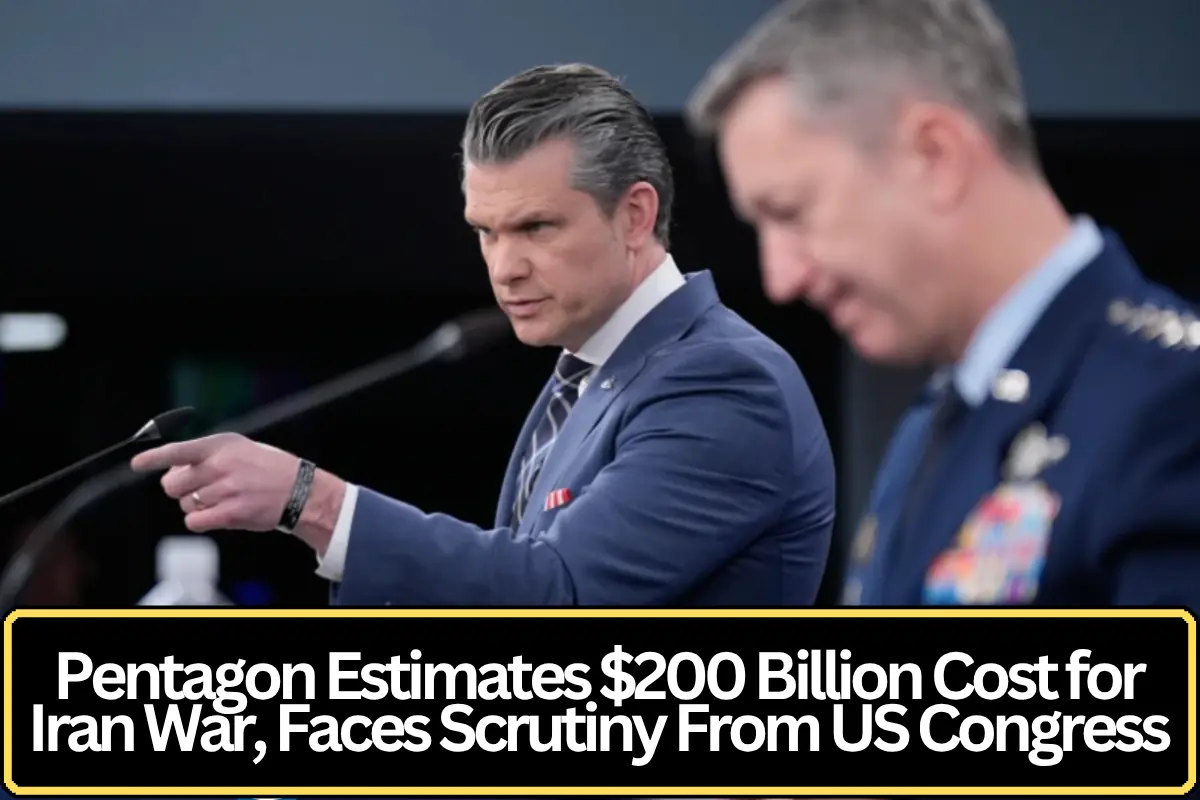
Pentagon’s $200 Billion Estimate Triggers Debate in Washington
The United States Pentagon has projected that a potential war with Iran could cost up to $200 billion, sparking intense debate in Congress over military spending, strategic priorities, and long-term economic implications. The estimate, emerging in March 2026 amid escalating tensions in the Middle East, has raised questions among lawmakers about the feasibility and consequences of sustained military engagement.
The projection comes as the United States continues to support operations linked to the Iran-Israel conflict, with growing concerns that a broader war could significantly expand both financial and human costs. Members of Congress from both parties are seeking clarity on the assumptions behind the estimate and the administration’s broader strategy.
Breakdown of Projected Costs
According to defense officials, the $200 billion figure includes expenses related to troop deployments, air and naval operations, logistics, intelligence, and equipment maintenance. Additional costs could arise from long-term commitments such as reconstruction efforts, veteran care, and ongoing security operations in the region.
The estimate reflects the complexity of modern warfare, where advanced technology, supply chain requirements, and extended operational timelines contribute to rising expenditures. Analysts note that actual costs could exceed projections depending on the scale and duration of the conflict.
Historical comparisons to previous US military engagements suggest that initial estimates often increase significantly over time, particularly in protracted conflicts.
Congressional Concerns Over Spending
Lawmakers have expressed concern about the financial burden of a potential war with Iran, particularly in the context of existing budget deficits and competing domestic priorities. Some members of Congress are calling for detailed briefings and greater transparency regarding the Pentagon’s calculations.
Critics argue that committing such substantial resources to military action could divert funding from critical areas such as healthcare, infrastructure, and education. They emphasize the need for a clear justification and defined objectives before approving additional spending.
Others have questioned whether the estimate adequately accounts for indirect costs, including economic disruptions and long-term fiscal impacts.
Debate Over Strategic Objectives
The cost estimate has intensified debate over the United States’ strategic objectives in the Middle East. While some policymakers advocate for a strong military response to counter perceived threats, others urge caution and emphasize the importance of diplomatic solutions.
Supporters of a robust approach argue that decisive action could deter further escalation and protect US interests and allies in the region. However, opponents warn that entering a large-scale conflict with Iran could lead to unpredictable consequences and prolonged instability.
The lack of consensus reflects broader divisions in Washington over foreign policy and the role of military power in addressing global challenges.
Economic Implications and Market Reactions
The potential financial impact of a $200 billion war has raised concerns among economists and market analysts. Increased defense spending on this scale could contribute to higher national debt and place additional strain on the US economy.
Markets are closely monitoring developments, with energy prices and defense sector stocks reacting to news of escalating tensions. The prospect of a wider conflict in the Middle East has also heightened concerns about disruptions to global trade and supply chains.
Experts warn that prolonged military engagement could have ripple effects across the global economy, influencing inflation, investment, and economic growth.
Pressure for Congressional Oversight
The situation has renewed calls for stronger congressional oversight of military spending and decision-making. Lawmakers are emphasizing their constitutional role in authorizing war and approving funding, seeking to ensure accountability in the use of public resources.
Some members are advocating for legislative measures that would require explicit approval before committing to large-scale military operations. These efforts aim to reinforce checks and balances and prevent unilateral action.
The debate highlights ongoing tensions between the executive branch and Congress over control of war powers and defense policy.
Military and Strategic Challenges
A potential conflict with Iran presents significant military challenges, including the need to operate in a complex and heavily contested environment. Iran’s capabilities, regional alliances, and geographic position could complicate operations and increase costs.
Defense analysts note that the scale of resources required for such a conflict would be substantial, involving multiple branches of the military and extensive logistical support. The possibility of escalation involving other regional actors further adds to the uncertainty.
These factors contribute to the high cost estimate and underscore the risks associated with entering a large-scale war.
Public Opinion and Political Impact
Public opinion is likely to play a key role in shaping the debate over military spending and involvement in the Iran conflict. Concerns about the economic impact and potential loss of life could influence political decisions and electoral dynamics.
Some segments of the population support a strong national defense posture, while others advocate for reduced military engagement and increased focus on domestic issues. The $200 billion estimate has amplified these discussions, bringing the issue to the forefront of national discourse.
Political leaders are expected to weigh these factors carefully as they consider their positions on the conflict.
Outlook and Policy Decisions
The Pentagon’s estimate is likely to influence upcoming policy decisions and budget negotiations in Washington. As lawmakers review the potential costs and implications, the debate over the United States’ role in the conflict is expected to intensify.
Future developments will depend on both the trajectory of the conflict and the outcome of discussions between the executive branch and Congress. Diplomatic efforts to de-escalate tensions could also play a critical role in shaping the situation.
Observers note that the financial dimension of the conflict will remain a central consideration in determining the course of US policy.
Conclusion
The Pentagon’s $200 billion estimate has brought renewed attention to the economic and strategic challenges of a potential war with Iran, highlighting the need for careful deliberation and oversight.
Current Status
Congress continues to scrutinize the projected costs and strategic implications as tensions in the Middle East persist and policy debates intensify in Washington.