Peru Election: Record Candidates Reflect Instability
Peru heads to 2026 presidential elections with 35 candidates amid deep political instability, corruption concerns, and voter frustration.
 SANJANA DUTTA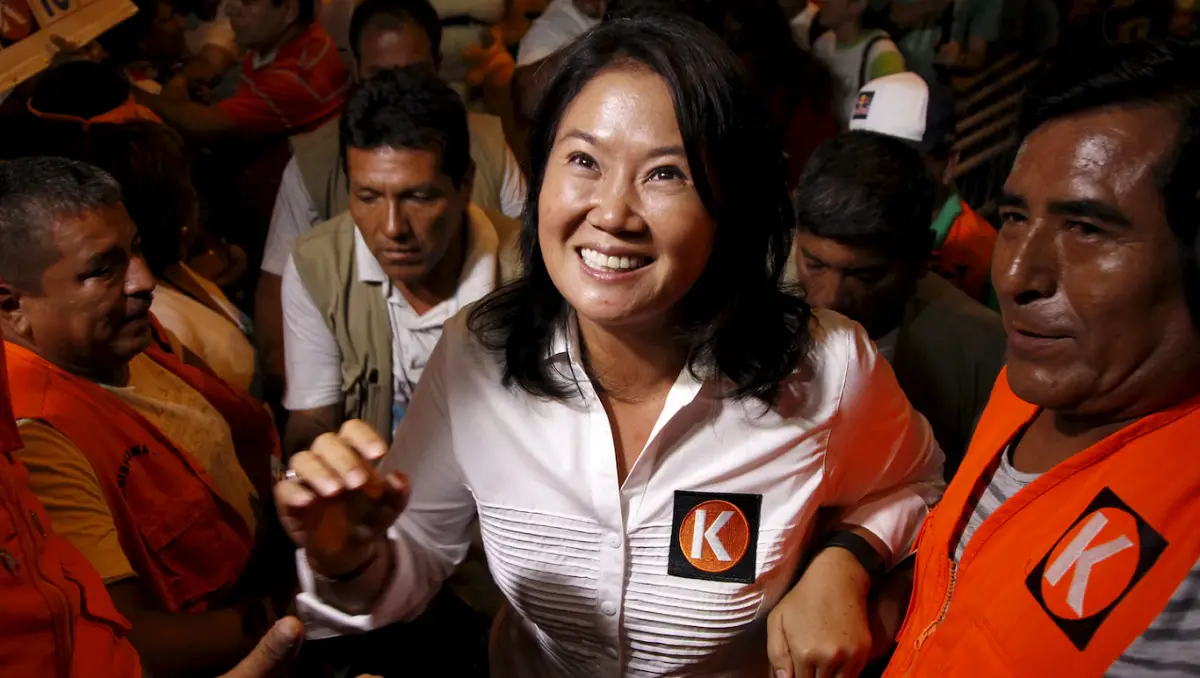
Peru Election 2026: Record 35 Candidates Reflect Deep Political Instability
LIMA, April 2026 — Peru heads into the first round of its presidential election on Sunday with a record 35 candidates on the ballot, highlighting deep political instability, widespread corruption concerns, and growing voter frustration after a decade that saw nine presidents cycle through power.
The highly fragmented race underscores a crisis of governance in the South American nation of 34 million people, where public trust in institutions has sharply declined. Voting is mandatory, but analysts expect a significant number of blank and spoiled ballots as disillusionment shapes voter behaviour.
Fragmented Field Points to Weak Political System
The unprecedented number of candidates reflects a deeply divided political landscape, with weak party structures and limited coalition-building. Many contenders remain largely unknown nationally, contributing to voter confusion and a highly unpredictable contest.
Only the top two candidates will advance to a run-off election scheduled for June, with recent polls indicating extremely tight margins and nearly 10 percent of voters still undecided.
Tight Race With No Clear Frontrunner
Keiko Fujimori, leader of the right-wing Popular Force party, has led most opinion polls but with support hovering around 10 percent, reflecting both strong name recognition and high rejection levels among voters.
Other contenders include Rafael López Aliaga, former Lima mayor; Carlos Álvarez, a comedian-turned-politician; and Verónika Mendoza, a left-wing sociologist, all competing closely for a place in the second round.
The fragmented vote means even small shifts in voter preference could significantly alter the outcome.
Decade of Political Turmoil Shapes Voter Mood
Peru’s prolonged instability has defined the current election cycle. Since 2016, the country has had nine presidents, with multiple leaders removed, impeached, or investigated on corruption charges.
The crisis peaked in 2022 when former president Pedro Castillo attempted to dissolve Congress, triggering his removal and subsequent imprisonment, further deepening institutional tensions.
Analysts say this instability has eroded public confidence, with many voters expressing scepticism about whether any new government can deliver lasting stability.
Institutional Conflict and Expanding Congressional Power
Peru’s Congress has increasingly asserted its authority, frequently using impeachment provisions to remove presidents. Critics argue that this has weakened the executive branch and contributed to governance paralysis.
In a major institutional shift, voters will also elect a new Senate, restoring a bicameral legislature for the first time since 1990. Experts say the move could reshape governance but may also intensify political gridlock.
Reforms Add Pressure on Smaller Parties
Recent electoral reforms require parties to secure at least 5 percent of the national vote and a minimum number of legislative seats to retain official registration, a rule critics say favours established parties and limits smaller political movements.
Despite these constraints, candidates have campaigned on promises to tackle corruption, improve governance, and address rising concerns over crime and economic instability.
Uncertain Outcome Ahead of Run-Off
With no clear frontrunner and voter sentiment deeply divided, the election is widely expected to proceed to a decisive run-off in June.
The results of the first round will determine whether Peru moves toward political stabilisation or continues to face uncertainty in an already volatile system.