Politics and International Relations Moving Towards Darkness, Says Rahul Gandhi in Kerala
Rahul Gandhi warned that global politics and international relations are moving towards a darker phase while addressing a public gathering in Kerala, raising concerns about rising conflict, polarization, and democratic challenges worldwide.
 SANJANA DUTTA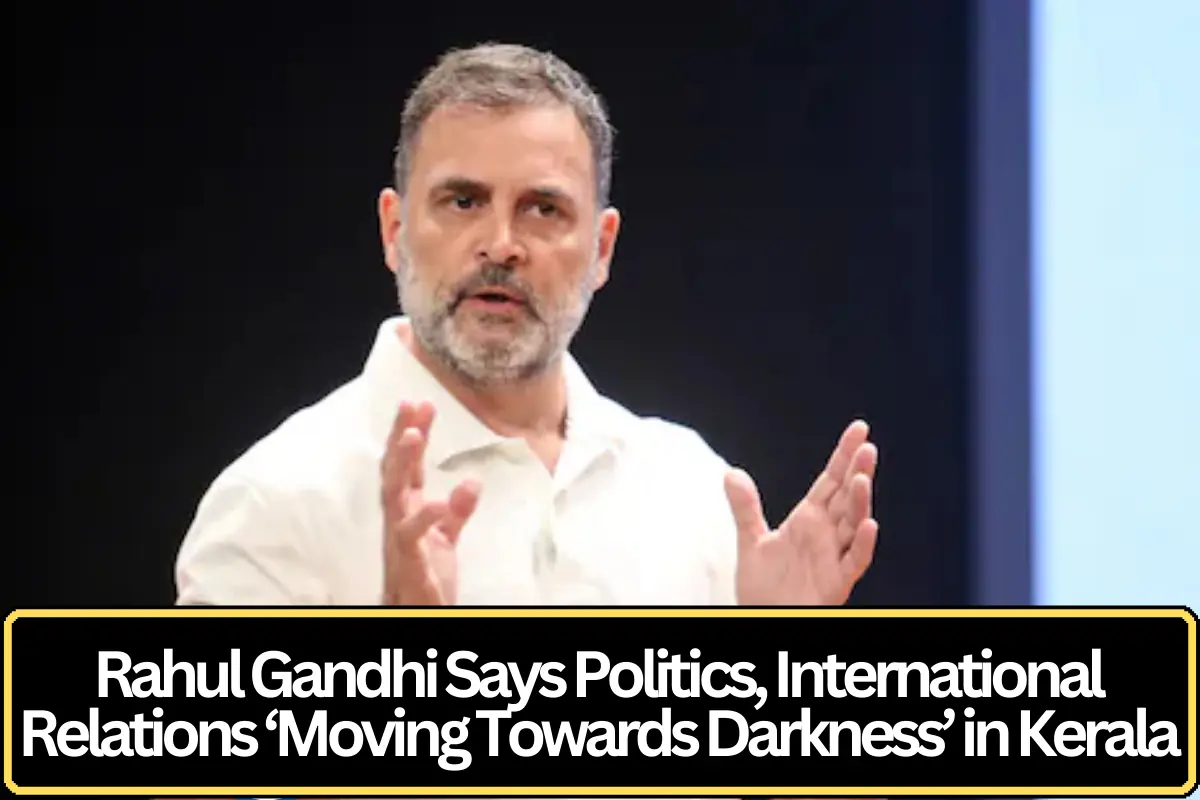
Rahul Gandhi Warns of a Darker Phase in Global Politics
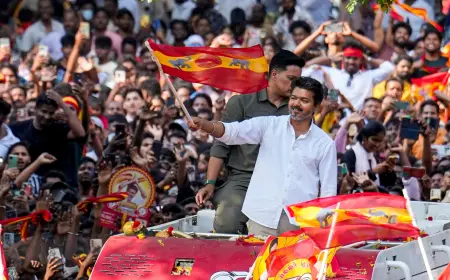
Congress leader Rahul Gandhi has expressed concern about the current trajectory of global politics, warning that both domestic political environments and international relations are moving toward what he described as a darker and more uncertain period. Speaking at a public gathering in Kerala, Gandhi highlighted the growing instability across the world and emphasized the importance of democratic values, cooperation, and dialogue in addressing emerging challenges.
His remarks come at a time when geopolitical tensions, economic uncertainty, and rising political polarization are shaping international discourse. Gandhi’s comments were aimed at drawing attention to the broader global environment, which he believes is becoming increasingly confrontational and less cooperative.
Addressing party members and supporters, he stressed that the future of democratic societies depends on how leaders and institutions respond to these challenges. According to him, the direction of global politics will ultimately influence not only international relations but also the domestic political climate within countries.
Context of the Statement in Kerala
The remarks were delivered during a political event in Kerala where Rahul Gandhi interacted with party workers, supporters, and members of the public. The state has historically played a significant role in shaping political debates within India, and Gandhi’s address focused on both national and global developments.
Kerala’s politically aware electorate and active civil society make it a frequent venue for broader discussions on governance, democracy, and international affairs. Gandhi used the opportunity to discuss his views on global political trends and their potential implications for India.
While the speech primarily addressed local party members, the message quickly gained national attention due to its broader commentary on the state of world politics.
Concerns About Rising Global Tensions
One of the central themes of Rahul Gandhi’s speech was the increasing level of tension in international relations. Across the world, geopolitical rivalries are intensifying, and conflicts between nations are becoming more visible.
From economic competition to military confrontations, global power dynamics are shifting rapidly. According to Gandhi, these developments have created a climate in which cooperation between countries is becoming more difficult.
He noted that international diplomacy is facing unprecedented pressure as nations prioritize strategic interests over collaborative solutions. This environment, he argued, risks deepening divisions between countries and weakening the institutions designed to maintain global stability.
Impact of Political Polarization
Another key issue highlighted in Gandhi’s remarks was the increasing polarization within political systems. Around the world, societies are witnessing sharper divisions between political ideologies, which often translate into intense electoral battles and public disagreements.
Political polarization can affect governance by making consensus-building more difficult. When political actors focus primarily on defeating their opponents rather than addressing common challenges, policy-making can become more complicated.
Gandhi suggested that such divisions are not limited to individual countries but are part of a broader global pattern. According to him, democratic institutions must work harder to preserve dialogue and cooperation among different political viewpoints.
The Role of Democratic Institutions
During his address, Gandhi emphasized the importance of democratic institutions in navigating the complex political landscape. Institutions such as legislatures, courts, and independent media play a critical role in maintaining accountability and transparency within governance systems.
He argued that strong institutions are essential for protecting democratic values and ensuring that governments remain responsive to citizens’ needs. Without effective institutions, political systems may struggle to manage conflicts and disagreements constructively.
Gandhi called on political leaders and citizens alike to defend democratic principles and encourage open debate as a means of resolving differences.
Global Challenges Shaping Political Discourse
The global political environment is currently shaped by several interconnected challenges. Economic uncertainty, technological transformation, climate change, and shifting geopolitical alliances all influence the way governments interact with one another.
These issues require coordinated international responses, yet cooperation between nations often faces obstacles due to competing interests. Gandhi’s comments suggested that addressing such challenges will require renewed commitment to dialogue and collaboration.
He pointed out that the world is entering a period where the ability of countries to work together will determine the success of efforts to manage crises and maintain stability.
India’s Role in the Global Landscape
India’s position in international politics has grown significantly over the past decades. As one of the world’s largest democracies and fastest-growing economies, the country plays an important role in global discussions on development, security, and diplomacy.
In his remarks, Gandhi suggested that India has an opportunity to contribute positively to international relations by promoting dialogue, cooperation, and democratic values.
He emphasized that countries with strong democratic traditions can act as bridges between competing global interests, helping to facilitate communication and reduce tensions.
Political Reactions and Debate
Statements made by prominent political leaders often generate discussion and debate, and Gandhi’s remarks were no exception. Supporters argue that his comments highlight genuine concerns about the direction of global politics and the need for renewed emphasis on democratic values.
Critics, however, may interpret the remarks differently, suggesting that political statements made during public events are often shaped by domestic political considerations.
Such debates are a common feature of democratic systems, where differing viewpoints contribute to public discourse and policy discussions.
The Importance of Dialogue and Cooperation
Throughout his speech, Gandhi repeatedly emphasized the need for dialogue and cooperation among nations and political actors. He argued that constructive engagement is essential for addressing global challenges and preventing conflicts from escalating.
Diplomatic communication, international institutions, and multilateral forums all play a role in facilitating such cooperation. When these mechanisms function effectively, they help countries find common ground despite their differences.
According to Gandhi, strengthening these channels of communication should be a priority for political leaders worldwide.
Public Engagement and Political Awareness
Public engagement is another factor that shapes political outcomes. Citizens who actively participate in democratic processes help ensure that governments remain accountable and responsive.
Gandhi’s speech encouraged citizens to remain informed about both national and international developments. By understanding the broader context in which political decisions are made, voters can contribute more effectively to democratic debates.
Political awareness also encourages leaders to address complex issues with greater transparency and responsibility.
Looking Ahead
The concerns raised in Gandhi’s remarks reflect a broader conversation about the future of global politics. As countries navigate economic challenges, security concerns, and technological changes, the choices made by political leaders will shape international relations for years to come.
Observers note that while global tensions may increase at times, history has shown that diplomacy and cooperation can help overcome even the most difficult challenges.
Maintaining open communication channels, respecting international norms, and strengthening democratic institutions are widely viewed as key steps toward preserving stability in the global system.
Conclusion
Rahul Gandhi’s statement that politics and international relations are moving toward a darker phase reflects growing concerns about global instability and political polarization. His remarks highlight the importance of democratic institutions, international cooperation, and public engagement in addressing these challenges.
As the world continues to confront complex geopolitical and economic issues, the role of responsible leadership and constructive dialogue will remain central to shaping a more stable and cooperative international order.