Rising Costs of War Put Pressure on US Economy and Global Stability
The growing financial burden of ongoing conflicts is placing increasing pressure on the US economy while raising concerns about long-term global stability.
 SANJANA DUTTA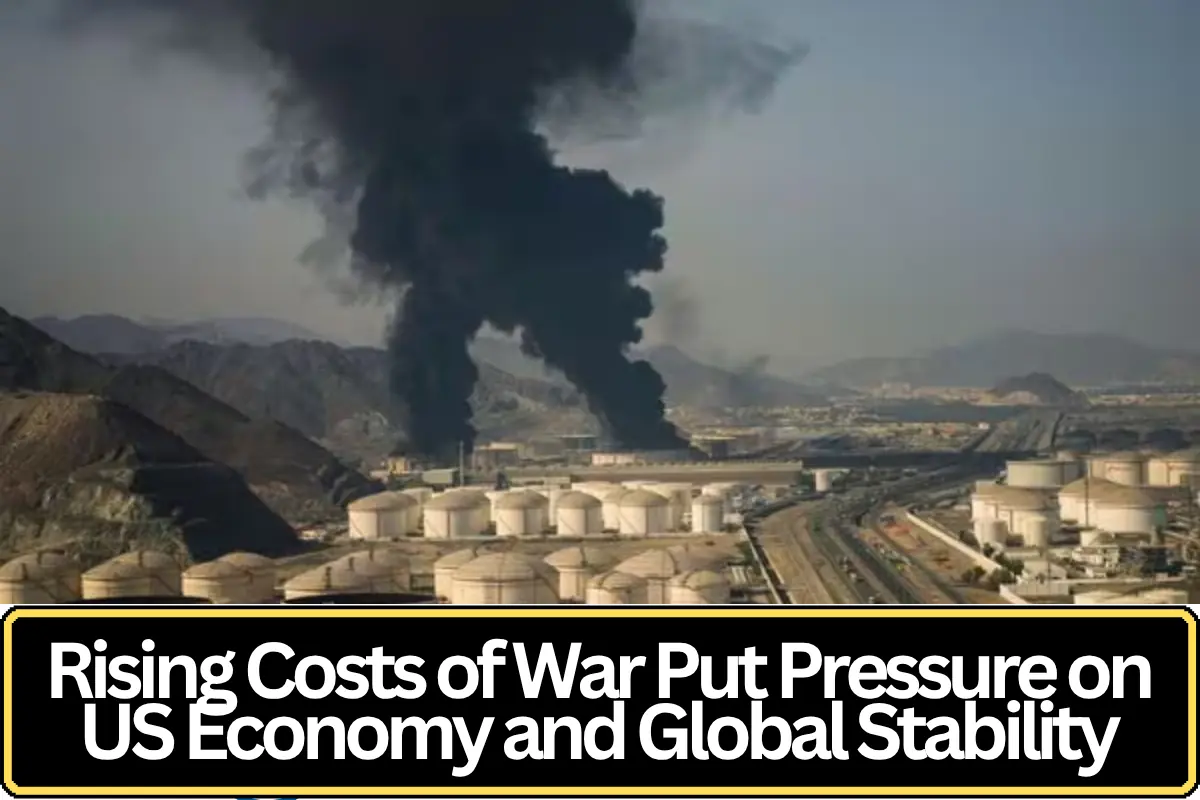
Escalating War Costs Strain US Economy
The financial cost of ongoing military conflicts is rising sharply, placing increasing pressure on the United States economy and raising concerns about long-term global stability, according to recent analysis in March 2026. As Washington continues to engage in high-intensity operations linked to the Iran conflict and broader geopolitical tensions, government spending on defense, logistics, and support operations has surged significantly.
The growing expenditure reflects the expanding scale and duration of modern warfare, with analysts warning that sustained military engagement could have lasting economic consequences both domestically and internationally.
Surging Defense Spending and Budgetary Pressure
US defense spending has increased markedly as military operations intensify, with funds allocated toward airstrikes, naval deployments, intelligence operations, and logistical support. These expenditures add to an already substantial defense budget, creating additional strain on federal finances.
Government officials have defended the spending as necessary to maintain national security and support allies, but economists caution that prolonged conflicts can significantly impact fiscal stability. Rising defense costs may lead to higher deficits, increased borrowing, and potential cuts in other areas of public spending.
The financial burden is further compounded by the need to replenish military equipment, maintain readiness, and support ongoing operations across multiple regions.
Economic Ripple Effects Across Sectors
The impact of rising war costs extends beyond government budgets, affecting various sectors of the economy. Increased military spending can contribute to inflationary pressures, particularly when combined with disruptions to global supply chains and energy markets.
Industries such as transportation, manufacturing, and energy are particularly sensitive to fluctuations linked to geopolitical instability. Rising fuel prices and uncertainty in supply routes have already begun to affect businesses and consumers alike.
Analysts note that while defense-related industries may benefit from increased spending, the broader economy could face challenges due to reduced investment in other sectors and heightened economic uncertainty.
Global Implications of US Military Spending
The economic impact of US war spending is not limited to domestic concerns. As one of the world’s largest economies, shifts in US fiscal policy and military expenditure can influence global markets and financial systems.
Countries that rely on stable economic conditions in the United States may experience indirect effects, including changes in trade dynamics, investment flows, and currency stability. Additionally, increased US involvement in global conflicts can affect international relations and economic cooperation.
Energy markets are particularly vulnerable, as ongoing conflict in the Middle East disrupts supply chains and contributes to price volatility worldwide.
Long-Term Fiscal Challenges
Experts warn that sustained military engagement could create long-term fiscal challenges for the United States. Historical precedents show that prolonged conflicts often lead to significant increases in national debt, which can take years or even decades to manage.
The cost of war includes not only immediate military expenses but also long-term obligations such as veterans’ care, reconstruction efforts, and interest payments on borrowed funds. These factors contribute to the overall financial burden and complicate budget planning.
Policymakers face the challenge of balancing security needs with fiscal responsibility, particularly in an environment of competing domestic priorities.
Debate Over Strategic Priorities
The rising cost of war has reignited debate in Washington over strategic priorities and the allocation of resources. Some policymakers argue that increased spending is necessary to address emerging security threats and maintain global leadership.
Others advocate for a more cautious approach, emphasizing the importance of diplomatic solutions and reduced military engagement to limit financial strain. The debate reflects broader questions about the role of the United States in global conflicts and the sustainability of current policies.
Public opinion is also playing a role, with growing concern among citizens about the economic impact of prolonged military involvement.
Impact on Allies and International Cooperation
The financial burden of war is also influencing relationships with allies, particularly as the United States seeks greater support from partner nations. Calls for burden-sharing have intensified, with Washington urging allies to contribute more to collective security efforts.
However, differences in economic capacity and political priorities among allied nations may complicate these efforts. Some countries may be reluctant to increase spending or involvement, particularly in the absence of clear long-term objectives.
The dynamics of alliance cooperation are likely to play a significant role in shaping the future trajectory of the conflict and its associated costs.
Economic Trade-Offs and Domestic Impact
Rising war expenditures often require trade-offs in domestic policy, as governments allocate resources between defense and other priorities such as healthcare, education, and infrastructure. These decisions can have significant social and economic implications.
Increased borrowing to finance military operations may also lead to higher interest rates, affecting households and businesses. Additionally, inflationary pressures linked to conflict-related disruptions can reduce purchasing power and impact living standards.
Economists emphasize the importance of careful fiscal management to mitigate these effects and ensure long-term economic stability.
Future Outlook
The trajectory of war-related spending will depend on the duration and intensity of ongoing conflicts, as well as the effectiveness of diplomatic efforts to achieve de-escalation. A prolonged conflict could lead to further increases in expenditure and associated economic challenges.
Conversely, successful negotiations or a reduction in hostilities could help stabilize costs and alleviate pressure on the economy. Policymakers are likely to continue monitoring the situation closely and adjusting strategies as needed.
The balance between military engagement and economic sustainability will remain a central issue in the coming months.
Conclusion
The rising cost of war highlights the complex interplay between security priorities and economic realities, underscoring the challenges faced by governments in managing both effectively.
Current Status
US war-related spending continues to rise amid ongoing conflicts, with economic pressures mounting as policymakers navigate the financial and strategic implications.