‘Good News Will Come’: Sasikala Signals Possible Political Comeback Ahead of Tamil Nadu Assembly Elections
VK Sasikala has hinted at launching a new political party ahead of the Tamil Nadu Assembly elections, stating that “good news will come” soon.
 SANJANA DUTTA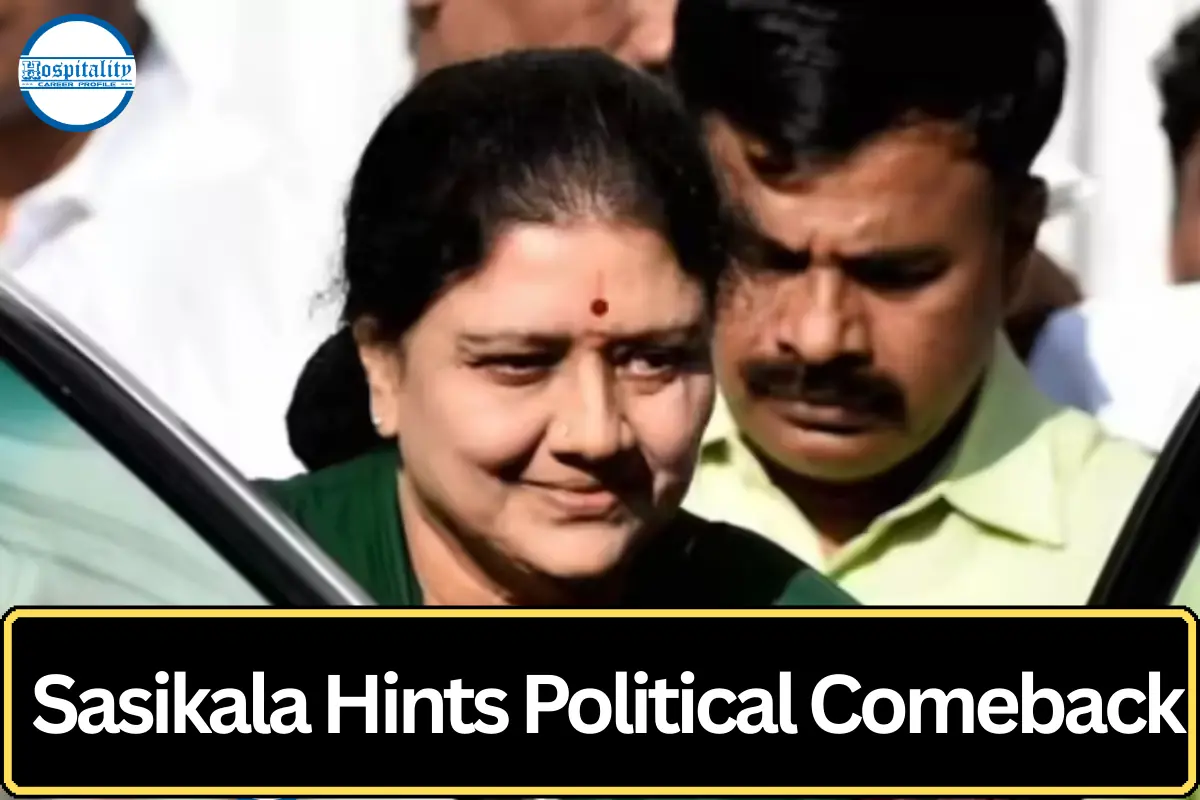
Sasikala Hints at Political Re-Entry Ahead of Tamil Nadu Polls
VK Sasikala has signalled a possible return to active politics ahead of the upcoming Tamil Nadu Assembly elections, hinting at the formation of a new political party. Speaking to supporters, she stated that “good news will come,” a remark that has sparked speculation across the state’s political circles.
The statement comes at a time when Tamil Nadu’s political landscape is witnessing renewed alignments and strategic repositioning among major and regional parties. Sasikala’s comments have intensified discussions about whether she intends to formally re-enter electoral politics after maintaining a relatively low profile in recent years.
Background and Political Context
Sasikala, a close aide of former Chief Minister J Jayalalithaa, once held significant influence within the AIADMK. Following Jayalalithaa’s demise, Sasikala briefly assumed leadership roles within the party but faced legal and political setbacks that curtailed her direct participation in governance.
Over time, internal shifts within the AIADMK and evolving alliances reshaped Tamil Nadu’s political equations. Sasikala’s recent remarks suggest she may now be preparing to chart an independent course, potentially altering the state’s electoral arithmetic.
Speculation Around a New Party
Political observers believe that Sasikala’s “good news” comment could indicate preparations to launch a new political outfit. While no formal announcement has been made, her outreach to cadres and public appearances have revived conversations about her political ambitions.
If she proceeds with forming a new party, it could influence vote shares in closely contested constituencies. Analysts note that even a modest shift in support could impact alliances and campaign strategies among established parties.
Impact on AIADMK and Opposition
A potential new party led by Sasikala may affect the AIADMK’s support base, particularly among cadres who remain loyal to her leadership. At the same time, rival parties are closely monitoring developments to assess whether her re-entry would fragment votes or create opportunities for new coalitions.
Senior political leaders have refrained from direct comments but acknowledged that Tamil Nadu politics remains dynamic, especially in the run-up to elections.
Electoral Timing and Strategy
The timing of Sasikala’s remarks is significant. With election preparations underway, parties are mobilising grassroots workers and refining campaign narratives. Any announcement of a new political formation at this juncture would likely be aimed at consolidating support before formal campaigning intensifies.
Observers suggest that Sasikala’s strategy may involve positioning herself as a unifying figure for disenchanted party workers while appealing to voters nostalgic about earlier political eras.
Challenges Ahead
Despite speculation, forming a new political party presents organisational and logistical challenges. Building a statewide structure, selecting candidates, and establishing a clear policy agenda require considerable groundwork.
Additionally, Sasikala would need to articulate how her platform differs from existing parties and address voter concerns about governance, development, and welfare.
Public and Cadre Response
Her recent comments have drawn enthusiastic responses from sections of supporters who view her as a resilient political figure. Meetings with loyalists and symbolic gestures have further fuelled expectations of a formal announcement.
However, public opinion remains divided. While some see her potential comeback as a revival of established political traditions, others question whether a new party would significantly alter the state’s political trajectory.
Broader Political Implications
Tamil Nadu’s politics has historically been shaped by strong personalities and regional narratives. The emergence of a new party under Sasikala’s leadership could introduce fresh dynamics into electoral contests, particularly if it influences alliance formations.
As campaign season approaches, clarity regarding her intentions is expected in the coming weeks. Political analysts believe that a definitive announcement would quickly shift focus toward seat-sharing discussions and campaign positioning.
Conclusion
Sasikala’s hint of “good news” has reignited speculation about her political future at a critical juncture in Tamil Nadu’s electoral cycle. Whether it results in the formation of a new political party or a broader strategic move remains to be seen.
For now, her remarks have ensured that her name once again occupies a prominent place in the state’s political discourse. As parties prepare for the Assembly polls, all eyes will be on her next move and its potential impact on Tamil Nadu’s evolving political landscape.