Simplified Nanoparticles May Train the Immune System to Target Disease‑Causing Cells
Researchers have developed simplified nanoparticles that can train the immune system to recognize and destroy disease‑causing cells, opening new possibilities for targeted therapies.
 Akanksha jain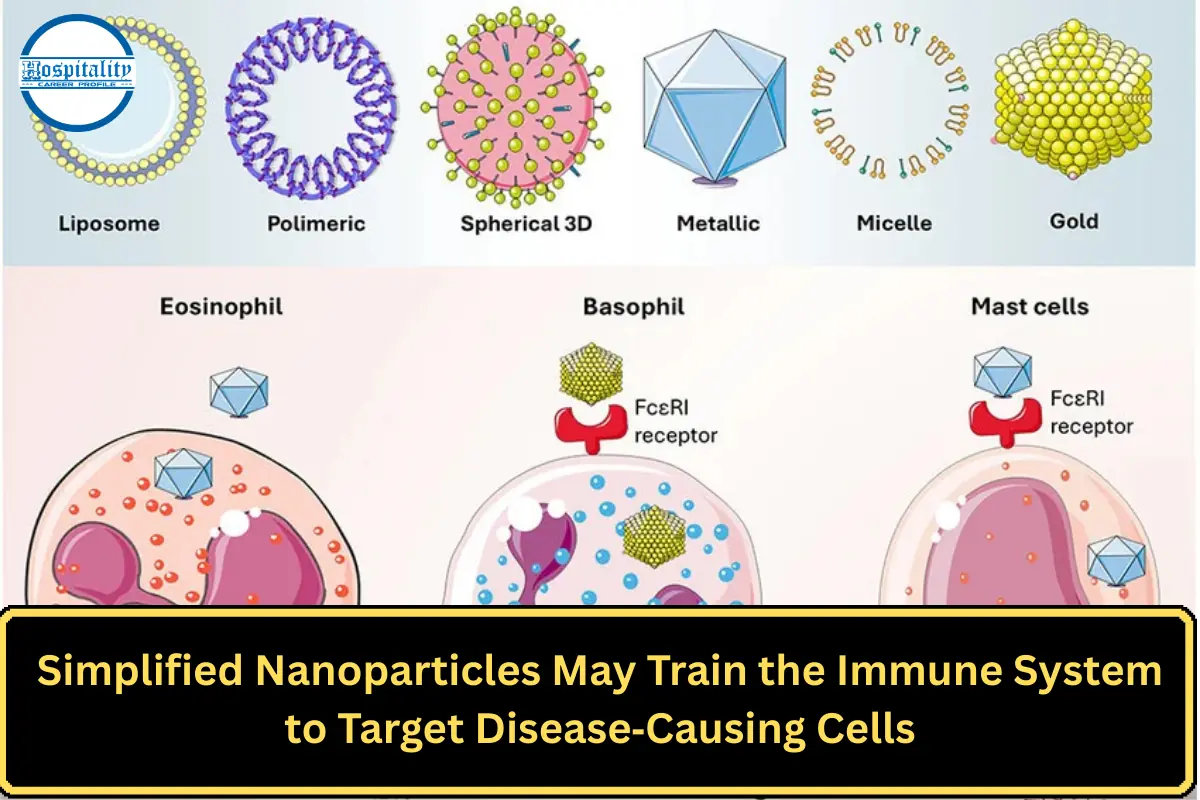
Scientists have developed simplified/strong designs to help the body identify and eliminate harmful cells, offering a promising new strategy for treating diseases.
The research focuses on creating nanoparticles that can “educate” immune cells to recognize specific disease‑related targets. By guiding the immune system more precisely, the approach could improve the effectiveness of immune‑based treatments.
Training the Immune System
The nanoparticles are engineered to present biological signals that help immune cells learn how to detect and attack harmful cells. Once trained, the immune system may be able to respond more effectively to disease‑causing targets.
This approach aims to mimic how the immune system naturally learns to recognize threats such as infections or abnormal cells.
Potential for Targeted Therapies:
Researchers say the technology could support the development of new treatments for several diseases. and certain immune‑related disorders.
By directing immune responses toward specific targets, nanoparticle‑based systems may help reduce damage to healthy tissues while improving treatment precision.
Advantages of Simplified Nanoparticle Design
Traditional nanoparticle systems used in medical research can be complex and difficult to produce. The simplified design used in the study aims to make manufacturing easier while maintaining the ability to stimulate a strong immune response.
This could help accelerate research and improve the scalability of future therapies.
Future Directions
Scientists say further studies are needed to confirm the safety and effectiveness of the nanoparticle approach in clinical settings.
If successful, the technology could become an important tool in developing next‑generation immunotherapies that harness the body’s natural defense mechanisms to fight disease.